


See spot trading more clearly in real time.
Compare plans to access deeper market visibility for spot trading.
Education
December 25, 2025
Guide to Spot Trading: How Spot Markets Work in Finance
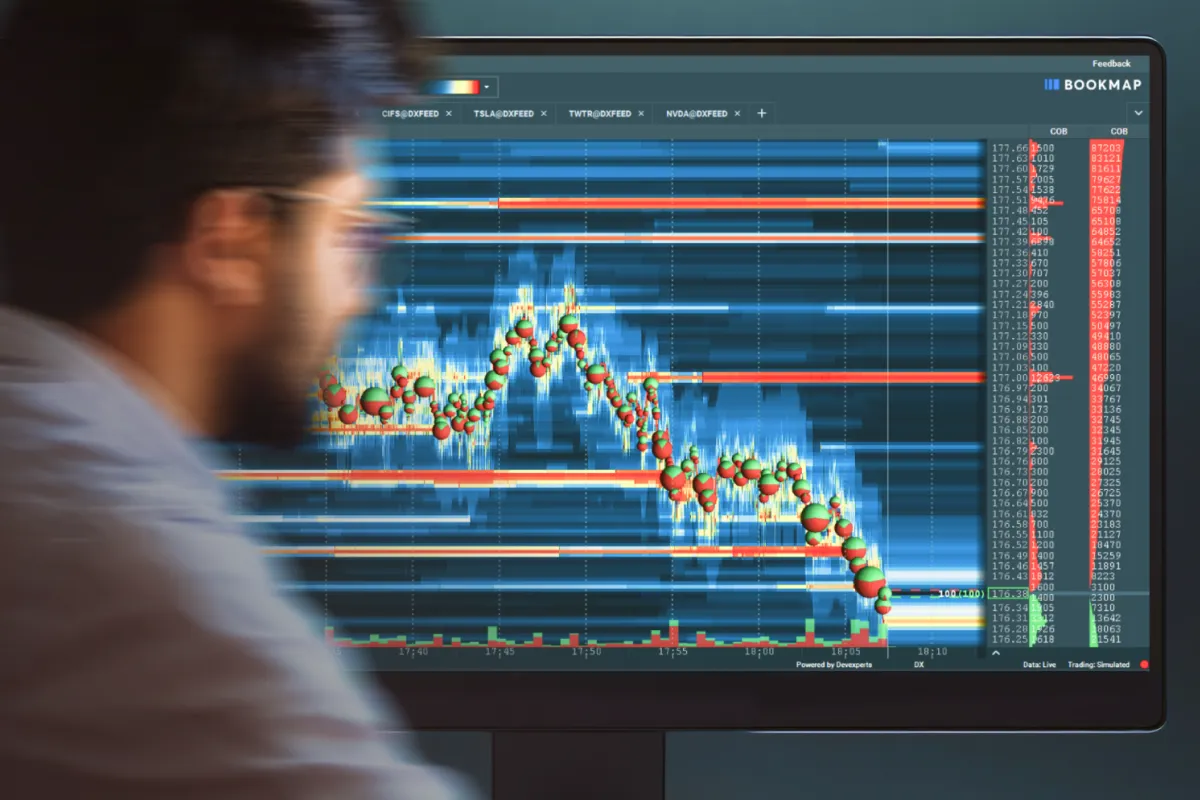
Spot trading is one of the most fundamental concepts in financial markets. Whether you are trading stocks, commodities, foreign exchange, or cryptocurrencies, understanding how spot markets operate is essential before exploring more complex instruments like futures or options.
This guide explains what spot trading is, how spot markets work, and how spot trading differs from derivatives trading, while also covering risks, settlement, regulation, and practical examples across asset classes.
What Is Spot Trading in Finance?
Spot trading refers to the purchase or sale of a financial asset for immediate delivery at the current market price, known as the spot price. A spot transaction involves exchanging the asset and payment either instantly or within a short, predefined settlement period.
In simple terms, spot trading means you are buying or selling the actual asset rather than a contract based on its future value.
How the Spot Market Works

The spot market is where financial instruments are traded for immediate settlement. Prices in this market are determined through supply and demand and reflect the most current valuation of an asset.
Spot markets operate through centralized exchanges or decentralized marketplaces, depending on the asset. Transactions occur when buyers and sellers agree on a price and execute a trade at that moment.
What Does a Spot Transaction Involve?
A spot transaction typically includes:
- Agreement on the current market price
- Execution of the trade
- Settlement within a short time frame
Although the term “spot” implies immediacy, settlement is not always instantaneous. In many traditional markets, settlement occurs within one or two business days.
Features of a Spot Market
Spot markets share several defining characteristics:
- Trades are executed at the current market price
- Ownership of the asset changes hands
- Settlement occurs quickly
- No leverage is required by default
These features make spot trading more transparent and straightforward than many derivatives-based strategies.
Spot Trading vs Futures Trading
One of the most common questions traders ask is how spot trading differs from futures trading.
Spot trading involves buying or selling an asset outright, while futures trading involves contracts that obligate the buyer or seller to transact at a future date and price.
In spot markets, traders deal with real ownership. In futures markets, traders deal with contractual exposure. Futures contracts often include leverage, expiration dates, and margin requirements, whereas spot trades typically do not.
This difference affects risk, capital requirements, and trading behavior.
Examples of Common Spot Markets
Spot markets exist across many asset classes.
Spot Trading in Cryptocurrency

Cryptocurrency spot trading involves buying or selling digital assets like Bitcoin or Ethereum at their current price. Once the transaction settles, the trader owns the cryptocurrency directly.
Crypto spot markets are popular because they allow traders to avoid leverage while participating in price movement.
Spot Trading in Foreign Exchange

In foreign exchange, spot trading refers to exchanging one currency for another at the current exchange rate. The spot forex market is one of the most liquid markets in the world.
Spot FX trades usually settle within two business days, depending on the currency pair.
Spot Trading in Commodities

Commodities like gold, oil, or agricultural products also trade on spot markets. The spot price of gold, for example, reflects the current value for immediate delivery.
Commodity spot prices often serve as benchmarks for futures contracts and long-term supply agreements.
What Is the Settlement Period for Spot Trades?
The settlement period varies by market:
- Stocks often settle within two business days
- Forex spot trades typically settle in two business days
- Cryptocurrency spot trades often settle instantly or within minutes
- Commodity spot trades depend on logistics and delivery terms
Understanding settlement is important because it affects liquidity, risk exposure, and operational planning.
Risks Associated With Spot Trading
While spot trading is often considered simpler than derivatives trading, it still carries risks.
Price volatility can lead to rapid losses if the market moves against a position. Liquidity risk may arise in less active markets where executing trades at desired prices becomes difficult.
Operational risks, such as settlement delays or technical failures, can also impact spot traders.
Unlike futures trading, spot trading does not inherently include leverage, which reduces some risk but also limits potential returns.
Advantages of Spot Trading
Spot trading offers several advantages:
- Direct ownership of the asset
- Transparent pricing
- No expiration dates
- Lower structural complexity
For many traders, spot markets provide a cleaner way to understand price behavior without the added mechanics of derivatives.
How Spot Markets Are Regulated

Spot market regulation varies depending on the asset class and jurisdiction.
Stock and commodity spot markets are typically regulated by financial authorities to ensure fair trading, transparency, and settlement integrity. Foreign exchange spot markets operate through a mix of regulated institutions and interbank systems.
Cryptocurrency spot markets are regulated differently depending on country, with some regions enforcing strict oversight and others offering more flexible frameworks.
Spot Trading Within the Broader Financial Market
Spot trading is a core component of financial markets. It plays a key role in price discovery, liquidity formation, and the efficient transfer of assets between participants.
Understanding spot markets helps traders grasp how transactions occur in a financial setting and how prices form before derivatives, structured products, or long-term contracts are introduced.
Conclusion
Spot trading forms the foundation of modern financial markets. By understanding how spot transactions work, how prices are formed, and how settlement occurs, traders gain essential knowledge that applies across all asset classes.
Whether trading crypto, forex, commodities, or stocks, spot markets provide a direct and transparent way to participate in price movement and market activity.
FAQ
Are You Asking About Spot Trading for a Specific Asset?
Spot trading applies across many markets, including stocks, forex, commodities, and crypto. Each market has unique settlement rules, liquidity characteristics, and trading behavior.
Knowing which asset you are interested in helps determine how spot trading works in practice.
Do You Want to Know the Difference Between Spot and Derivatives Trading?
Spot trading involves immediate asset ownership. Derivatives trading involves contracts based on future prices. Understanding this distinction is essential for managing risk and choosing the right trading approach.
Are You Interested in the Definition of a Spot Price?
The spot price is the current market price at which an asset can be bought or sold for immediate settlement. It reflects real-time supply and demand.
Spot prices often serve as reference points for futures, options, and other derivative instruments.
Are You Looking for a Guide on How to Perform a Spot Trade?
Executing a spot trade typically involves selecting an asset, reviewing the current price, placing a buy or sell order, and allowing the transaction to settle according to market rules.
The exact steps depend on the market and platform used, but the underlying concept remains the same across all spot markets.
Sign Up Now
Latest Articles