


See real time more clearly in real time.
Compare plans to access deeper market visibility for real time.
Education
January 4, 2026
The Complete Guide to Real-Time Market Data Feeds: What Traders Need to Know in 2026
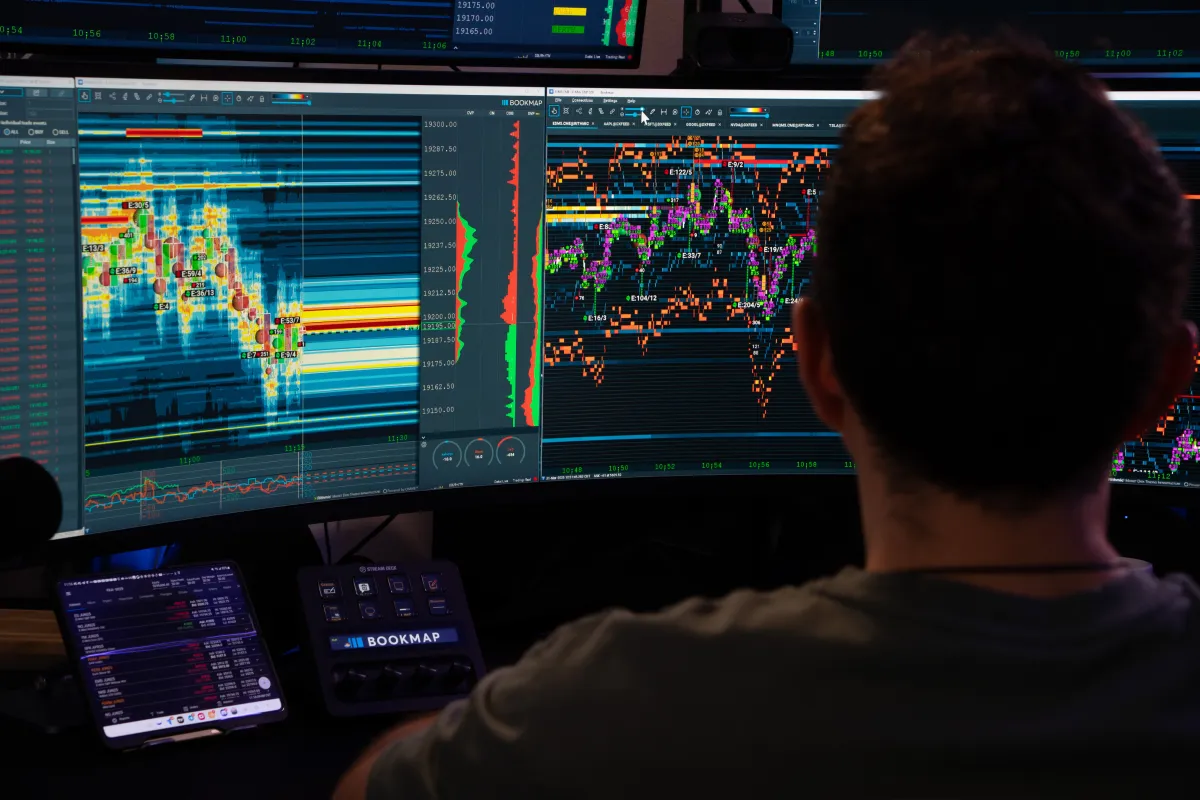
Real-time market data has become one of the most important components of modern trading. Whether you are a discretionary trader watching live stock prices or a quant running automated strategies, you rely on accurate, fast, and uninterrupted data. In today’s markets, milliseconds determine who sees liquidity first, who reacts to order flow, and who gets left behind.
The challenge is that not all real-time market data feeds are the same. Stock data vendors, financial data API providers, and streaming data APIs all offer different levels of speed, depth, and exchange coverage. Your choice affects the quality of signals you see, the latency of your execution, and how well your trading strategy performs.
This guide explains the core concepts behind real-time data, the best real-time market data providers in 2025, how pricing works, and how to choose the ideal feed for your trading workflow.
What Is a Real-Time Market Data Feed?
A real-time market data feed delivers live market information directly from an exchange or aggregated through a vendor. It includes:
- real-time stock prices
- live bid and ask quotes
- streaming financial data (BBO, trades, market depth)
- order book updates
- volume and liquidity changes
These feeds power trading platforms, market information systems, and algorithmic trading infrastructure.
If you have ever wondered how platforms display live stock price feeds in real time, the answer is simple: they rely on low latency market data for equities that refresh hundreds of times per second.
Types of Market Data Providers
Market data comes from three main categories of providers. Understanding the difference helps you select the service that fits your needs.
1. Stock Data Vendors
These companies collect and redistribute market data from exchanges such as Nasdaq and NYSE. They offer:
- real-time US stock data feeds
- equities data feed packages
- consolidated and proprietary BBO
- historical stock data
They are ideal for traders who want high-quality data without managing exchange agreements on their own.
2. Financial Data API Providers

These providers focus on delivering data through a modern API. Their services usually include:
- streaming financial data
- real-time stock prices
- real-time crypto market data
- market information systems through REST or WebSocket
- free stock data feed for Python users
Many traders prefer this option when building custom dashboards or automated systems.
3. Exchange-Direct Feeds

For traders who need ultra low latency:
- direct Nasdaq stock data feed
- direct futures market data
- realtime options data feed
This is the fastest possible route between the exchange and your trading engine.
Best Real-Time Market Data Providers in 2025
Traders often search for the best real-time market data providers because reliability and speed determine how competitive their trading edge is. The right choice depends on:
- which market you trade (stocks, crypto, futures, forex)
- whether you need Level 1 or Level 2 depth
- how you connect (API, platform add-on, or direct feed)
- whether you prioritize cost, speed, or simplicity
Here is a breakdown of who typically excels:
For US Stocks

- Direct Nasdaq TotalView
- Exchange-approved stock market data providers like BookmapData
- High-quality retail feeds offering live market data feeds at reasonable cost
For Crypto
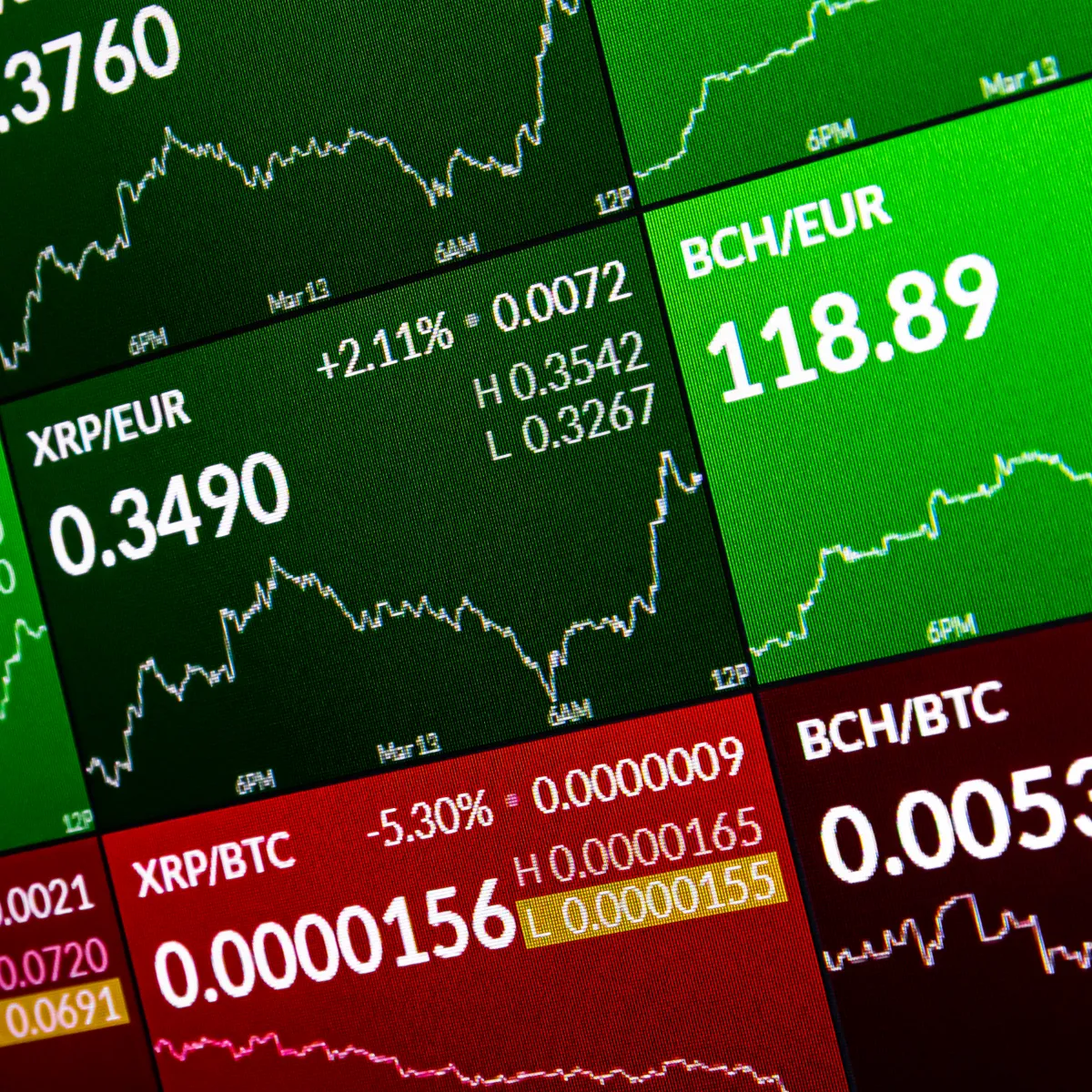
- realtime crypto market data from top exchanges
- platforms offering deep order book visibility through WebSocket APIs
For Futures
- CME spread and depth-of-market feeds like BookmapData
- vendors focused on low latency distribution
Choosing the best provider is not about the brand but about matching your strategy with the quality of the data.
How Much Do Real-Time Market Data Feeds Cost?
Traders often ask about realtime market data API pricing because the cost varies widely depending on:
- exchange
- professional vs non-professional status
- depth (Level 1 vs Level 2)
- redistribution rights
- number of symbols
Typical ranges:
- Crypto data: often free for basic websockets, paid for full-depth institutional feeds
- US stock data: free delayed data, paid real-time data, higher for Nasdaq book depth
- Options data: higher due to complexity
- Futures data: exchange fees applied per instrument category
If you are asking how to get real-time market data for free, the answer depends on the asset class:
- Many crypto exchanges offer free real-time feeds
- Some APIs provide free live stock prices but with fewer updates
- Most reliable equity depth feeds require exchange fees
Real-Time vs Historical Market Data
Traders often need both:
- Real-time data for execution and monitoring
- Historical stock data for backtesting and research
When choosing a stock data feed API, check whether the vendor includes historical data or charges extra for it.
How to Choose the Right Market Data Feed
Before selecting a provider, answer these questions (these also help with user intent for search engines):
- Which market are you interested in — stocks, crypto, futures, or forex?
Different markets require different feeds. - Are you looking for a data feed for personal use or for a business?
Business use may require redistribution licensing. - Do you need real-time data with low latency for algorithmic trading?
If yes, avoid high-latency APIs or delayed retail feeds. - Are you looking for real-time or historical stock data?
Many APIs provide one but not the other. - Do you need data for a specific exchange such as NYSE, Nasdaq, or LSE?
Exchange-level coverage varies across vendors. - Are you looking for free data or a paid professional service?
Price determines refresh rate, depth, and reliability.
Taking the time to answer these upfront avoids paying for features you do not need.
Where Python Fits In: Building Your Own Data Pipeline
Many traders now integrate:
- free stock data feed for Python
- streaming data APIs
- realtime market data API providers
This allows them to build dashboards, screens, and algorithms. Python is widely used because it handles:
- WebSocket real-time feeds
- ETL workflows
- Historical data storage
- Strategy research
If you are building your own tools, look for vendors that offer well-documented APIs and stable WebSocket performance.
Conclusion
Real-time market data feeds are the backbone of modern trading. Whether you rely on live stock price feeds, realtime crypto data, low latency equities depth, or a financial data API provider, the goal is the same: to see the market accurately and act at the right moment.
With so many vendors competing in 2025, traders can choose between free APIs, premium exchange feeds, historical data services, or institutional-grade delivery. The best choice depends on your strategy, execution speed requirements, and the assets you trade.
If you need advanced visualization of real-time order flow, depth, and liquidity, platforms like Bookmap help traders see the market with clarity and precision. No matter which data feed you select, pairing it with a robust visualization tool gives you a major advantage in fast-moving markets.
Sign Up Now
Latest Articles