


Ready to see the market clearly?
Sign up now and make smarter trades today
Market Analysis
July 27, 2026
SHARE
Best Trading Software for Beginners and Experienced Traders
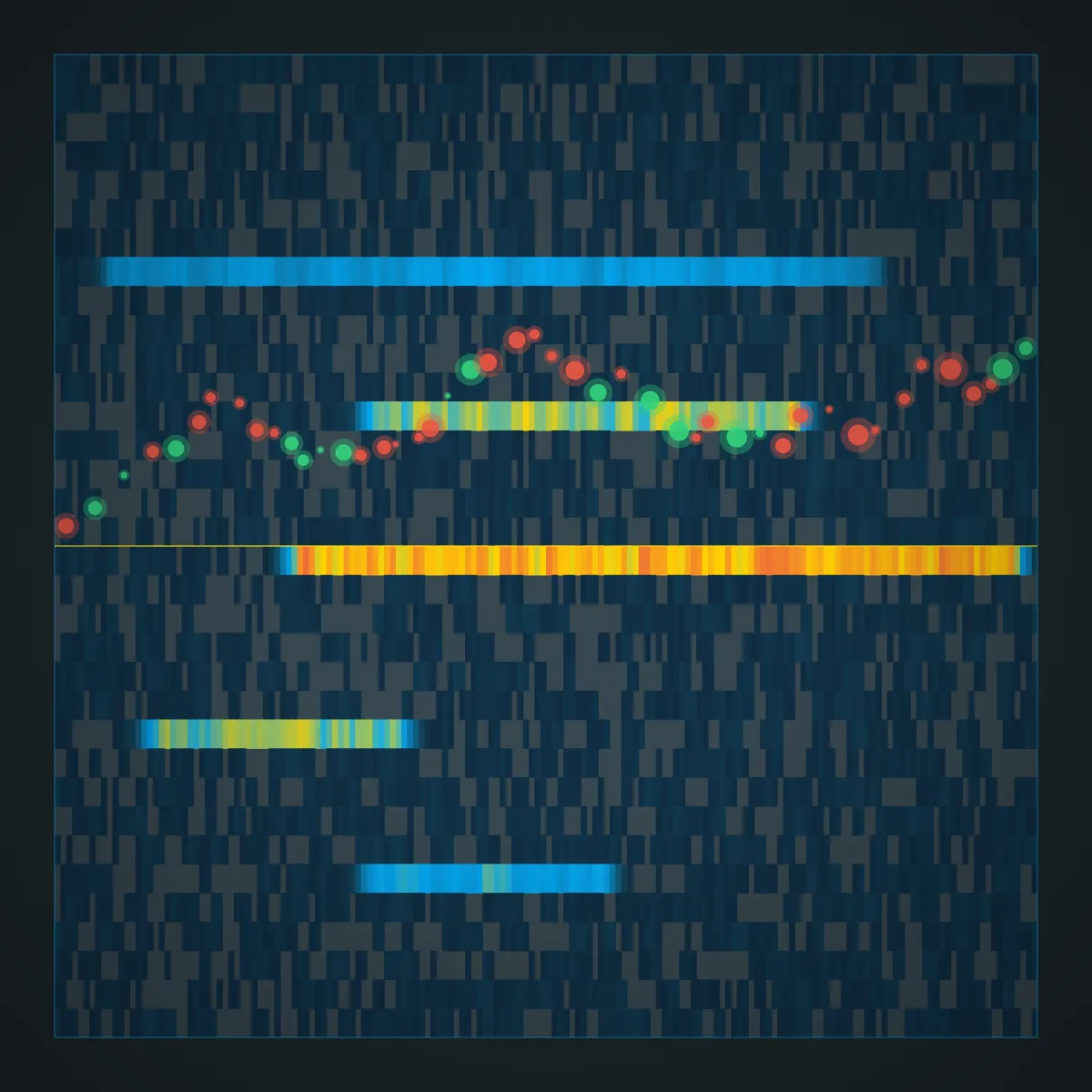 Whether you’re opening your very first brokerage account or refining a professional trading workflow across multiple monitors, choosing the right trading software is one of the most important decisions you’ll make.
The software you use determines far more than how charts look on your screen. It influences how quickly you can react to market events, how effectively you analyze opportunities, how efficiently you manage risk, and even how comfortable you are executing your trading plan during volatile market conditions.
Today’s trading platforms have evolved dramatically from simple charting programs. Modern software can combine real-time market data, advanced charting, order flow visualization, algorithmic execution, portfolio management, options analysis, market scanners, news feeds, risk management tools, and broker connectivity into one workspace.
With so many choices available, however, selecting the “best” trading software isn’t simply about finding the platform with the longest feature list. A swing trader managing long-term investments has very different requirements than an intraday futures scalper. Likewise, someone just beginning their trading journey should evaluate software differently than someone who has spent years building systematic trading strategies.
This guide explains the different categories of trading software available today, the features that matter most for different trading styles, and how beginners and experienced traders can evaluate platforms based on their own objectives rather than marketing claims.
Table of Contents
- Best Trading Software for Beginners and Experienced Traders
- What Makes Great Trading Software?
- Which Type of Trader Are You?
- Essential Features Every Trading Platform Should Offer
- Best Financial Charting Applications
- Choosing Trading Software Based on Your Market
- Desktop vs Mobile Trading Platforms
- Order Flow vs Traditional Charting Platforms
- How to Choose the Right Trading Software
- Conclusion
- FAQ
What Makes Great Trading Software?

Ask ten experienced traders what makes a platform “the best,” and you’ll probably receive ten different answers.
Some will prioritize execution speed above everything else. Others care most about chart customization, automated trading capabilities, or advanced technical indicators. Long-term investors may never need Level II market depth, while professional scalpers might consider it indispensable.
Rather than focusing on features alone, it helps to think about what trading software is actually designed to accomplish.
At its core, trading software exists to help traders answer three fundamental questions:
- What is happening in the market?
- Should I take action?
- How can I execute that action efficiently while managing risk?
Everything else builds upon those objectives.
For example, charting software helps traders visualize price movement. Market scanners narrow thousands of securities into manageable watchlists. Broker platforms execute trades and manage positions. Order flow software reveals liquidity and participant behavior that traditional price charts cannot display.
The best trading platforms simplify complex market information instead of overwhelming users with endless indicators and menus. They allow traders to build repeatable workflows that match their own strategies instead of forcing everyone into the same interface.
Reliability is equally important. During periods of heightened volatility, delayed quotes, platform crashes, or slow order routing can become far more costly than paying for better software.
Ultimately, good trading software should disappear into the background. Instead of thinking about the platform itself, traders should be able to focus entirely on analyzing markets and executing their plans.
Best Trading Software for Beginners
New traders often assume they need professional-grade software immediately. In reality, the opposite is usually true.
One of the biggest challenges beginners face isn’t a lack of sophisticated tools—it’s information overload.
Modern trading platforms can display dozens of indicators, hundreds of watchlist columns, options chains, economic calendars, news feeds, order books, scanners, and portfolio analytics simultaneously. While experienced traders may rely on many of these features, beginners often become distracted by trying to learn everything at once.
The best trading software for beginners focuses on clarity before complexity.
Instead of asking whether a platform offers every possible feature, new traders should ask whether it helps them build good habits.
For example, a beginner learning technical analysis benefits far more from clean chart layouts and reliable drawing tools than from dozens of advanced oscillators they don’t yet understand. Likewise, someone learning order execution gains more from practicing with a paper trading account than from immediately experimenting with automated strategies.
Many beginner-friendly platforms include integrated educational resources that allow traders to gradually expand their knowledge while becoming familiar with the software itself. Video tutorials, guided walkthroughs, simulated trading environments, and structured learning paths often provide more long-term value than adding another technical indicator.
Paper trading deserves particular attention.
The best free paper trading software allows traders to experience realistic market conditions without risking capital. While simulated trading cannot fully reproduce the emotions involved in live trading, it offers an excellent environment for learning platform navigation, testing trading plans, practicing risk management, and building confidence before committing real money.
Another consideration is interface design.
Good beginner platforms present information in an intuitive way. Important tools remain easy to access, charts are readable without excessive customization, and placing trades follows a logical workflow. A complicated interface often creates unnecessary mistakes that have nothing to do with market analysis.
As traders gain experience, their software requirements naturally evolve. The ideal beginner platform should therefore provide room for growth rather than requiring a complete transition after only a few months.
Best Trading Software for Experienced Traders
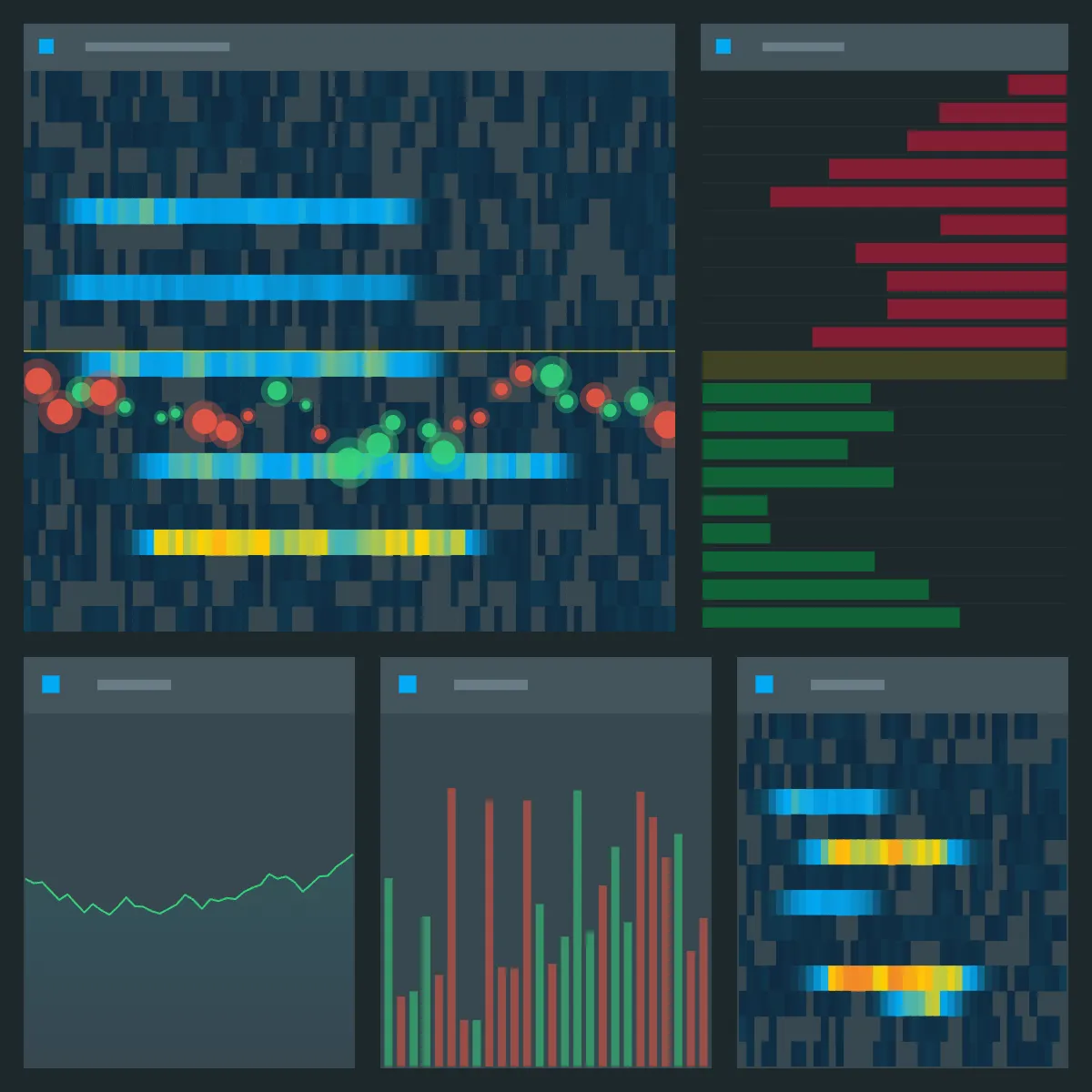
Professional and experienced traders often judge software very differently.
Rather than asking whether a platform is easy to learn, they focus on whether it improves efficiency.
Every second saved during execution, every shortcut that reduces repetitive tasks, and every additional piece of useful market information can compound into meaningful improvements over hundreds or thousands of trades.
Customization therefore becomes one of the defining characteristics of professional trading software.
Experienced traders frequently build highly personalized workspaces designed around their specific strategies. Some dedicate multiple monitors to different markets, while others create layouts that combine watchlists, order books, news feeds, execution windows, and several synchronized chart intervals.
Instead of adapting their workflow to the software, they expect the software to adapt to them.
Performance also becomes increasingly important.
During volatile trading sessions, platforms processing large amounts of market data must remain responsive even while displaying multiple charts, dozens of indicators, streaming news, and real-time Level II information. Stability becomes just as valuable as additional functionality.
Another distinction involves data quality.
Retail investors following longer-term positions may only require delayed quotes or standard market data. Active futures traders, however, often subscribe to premium exchange feeds that include full market depth, historical tick data, market-by-order information, or specialized order flow analytics.
Execution capabilities also become more sophisticated.
Professional platforms commonly support advanced order types including bracket orders, OCO (One Cancels Other), trailing stops, algorithmic execution, conditional orders, and complex options strategies.
These tools aren’t simply conveniences—they allow traders to automate parts of their risk management while reducing execution errors during fast-moving markets.
Finally, experienced traders increasingly value integration.
Rather than operating several disconnected applications, many seek platforms capable of combining charting, execution, portfolio management, research, automation, and market data within one cohesive environment.
This integrated workflow reduces friction throughout the trading process while allowing traders to spend more time analyzing markets instead of managing software.
Top Execution Platforms
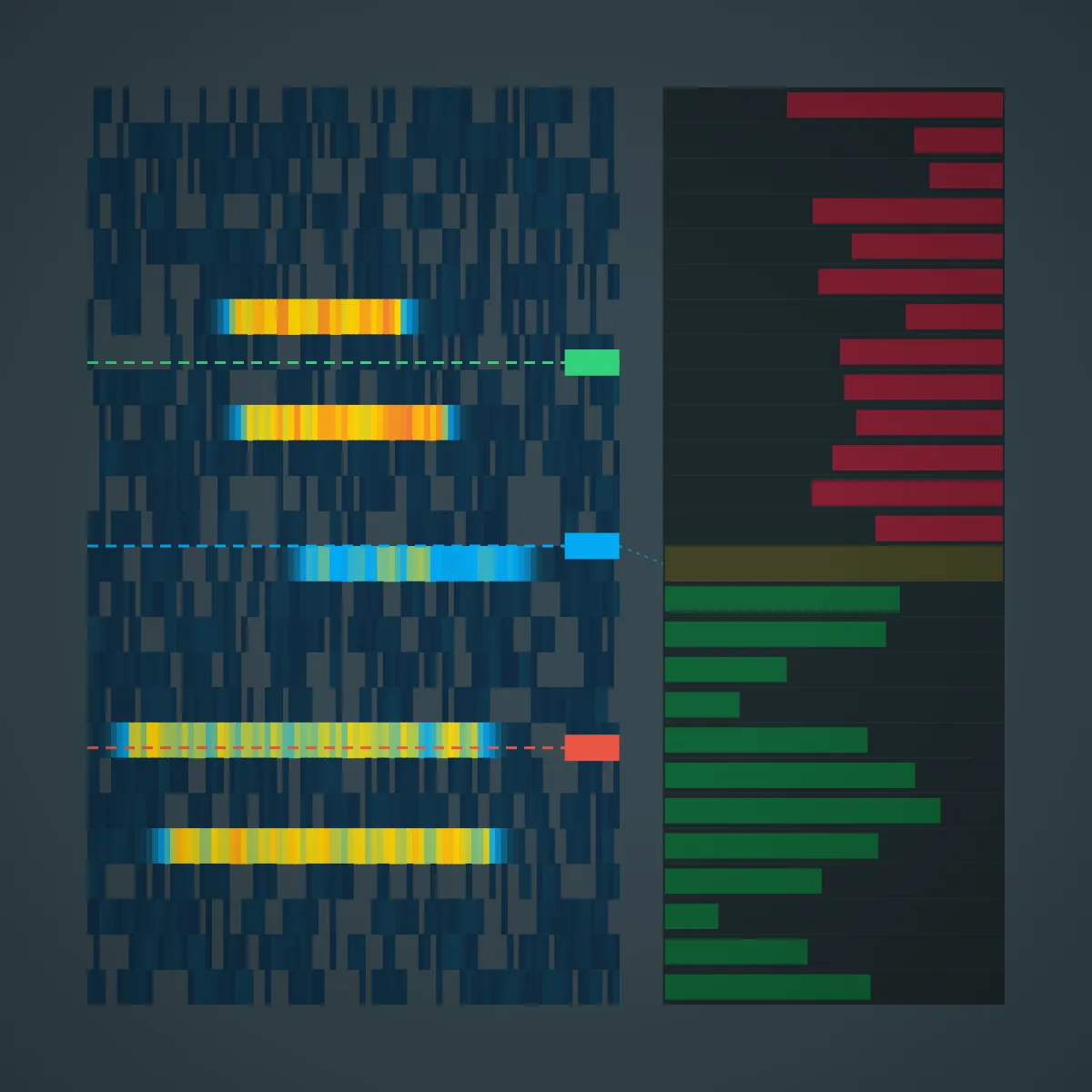
Execution quality is frequently overlooked by newer traders because its impact isn’t always obvious.
If two traders buy the same stock at approximately the same time, both may assume execution quality played little role. In reality, even small differences in routing speed, slippage, order handling, and liquidity access can accumulate significantly over hundreds or thousands of trades.
When a trader clicks “Buy,” considerably more happens behind the scenes than simply matching with another market participant.
The order must be transmitted, routed through the broker’s infrastructure, potentially evaluated by smart order routing systems, matched against available liquidity, executed, confirmed, and returned to the trading platform.
For long-term investors, these differences may have relatively little impact.
For active intraday traders executing dozens of trades each session, however, consistent execution quality can become an important component of overall performance.
Modern execution platforms increasingly offer intelligent routing designed to seek favorable pricing across multiple venues. Some brokers also provide direct market access (DMA), allowing traders greater control over where their orders are sent.
Institutional-grade execution software often emphasizes:
- extremely low latency
- reliable infrastructure
- intelligent order routing
- advanced order management
- execution transparency
Retail traders do not necessarily require every institutional feature. However, understanding how orders reach the marketplace helps explain why execution quality matters far more than simply choosing the lowest commission broker.
Best Financial Charting Applications
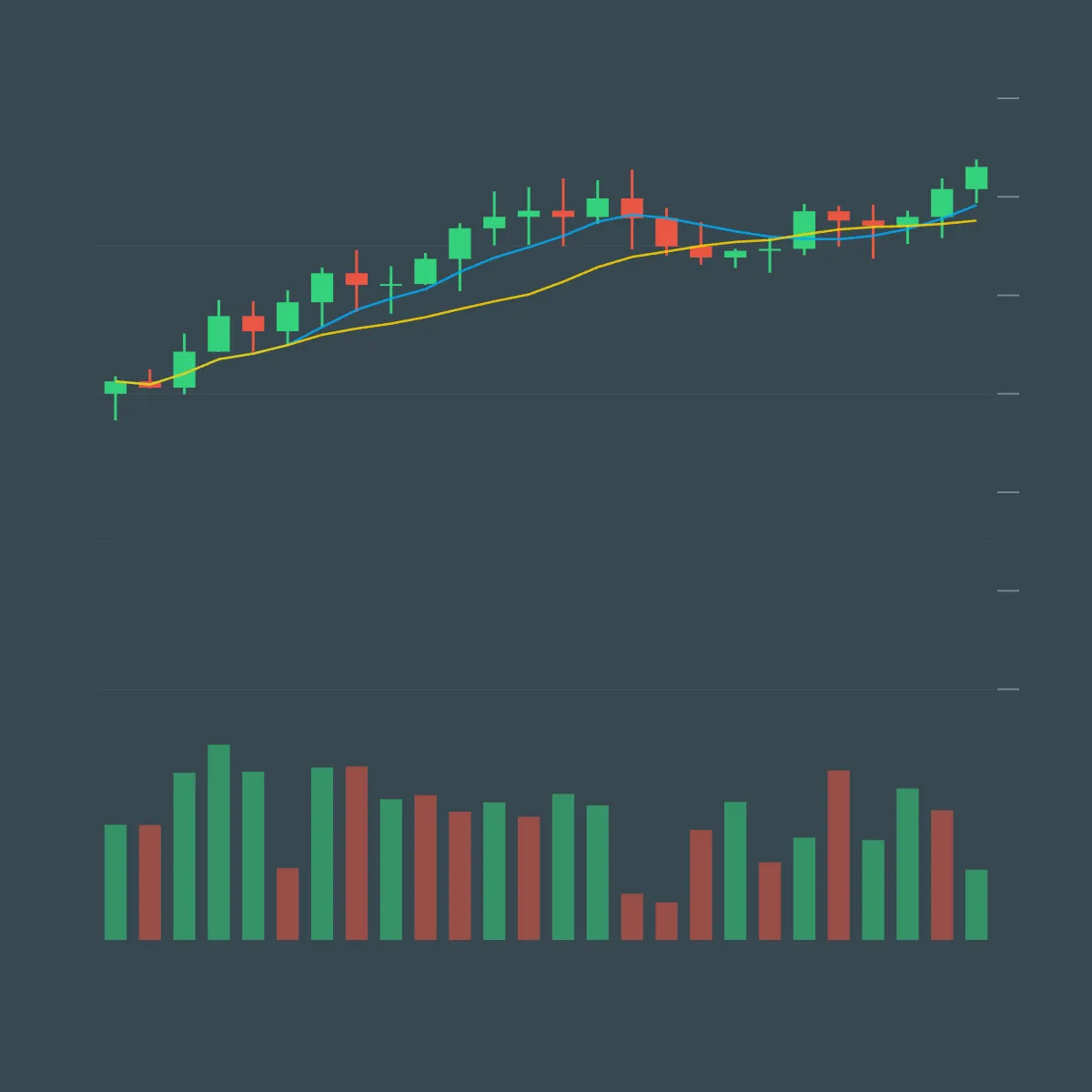
Charts remain the foundation of almost every trading decision.
Regardless of whether a trader focuses on technical analysis, order flow, macroeconomic trends, or quantitative models, every decision ultimately requires a way to visualize market behavior.
However, not all charting software is designed for the same purpose.
Long-term investors may only need daily and weekly charts to monitor broader market trends, while active day traders often require multiple synchronized timeframes, real-time data, and advanced drawing capabilities.
When evaluating financial charting software, several characteristics tend to matter more than the sheer number of available indicators.
The first is responsiveness.
A chart should update smoothly as new market data arrives without lag or freezing during periods of increased volatility. Delayed or inconsistent updates can create confusion, particularly for traders making short-term decisions.
Customization is equally important.
Most experienced traders eventually develop a preferred chart layout that fits their own decision-making process. Some prioritize clean price action with only a handful of moving averages, while others incorporate volume profiles, VWAP, market profile references, or order flow information.
Rather than forcing traders into predefined layouts, quality charting software allows complete flexibility over workspaces, templates, colors, indicators, and drawing tools.
Historical data also plays a significant role.
Many traders spend as much time reviewing previous sessions as they do trading live markets. Having access to sufficient historical data allows traders to identify recurring patterns, replay important events, and evaluate how different market conditions evolved over time.
Finally, traders should consider whether the software supports the type of analysis they actually perform.
Traditional charting applications generally focus on price, volume, and technical indicators.
More advanced analytical platforms extend beyond price charts by incorporating order flow, liquidity, market depth, auction dynamics, and participant behavior into the analysis.
The “best” charting application is therefore not necessarily the one with the longest feature list, but the one that presents information in the clearest and most actionable way for a particular trading style.
Choosing Trading Software Based on Your Market
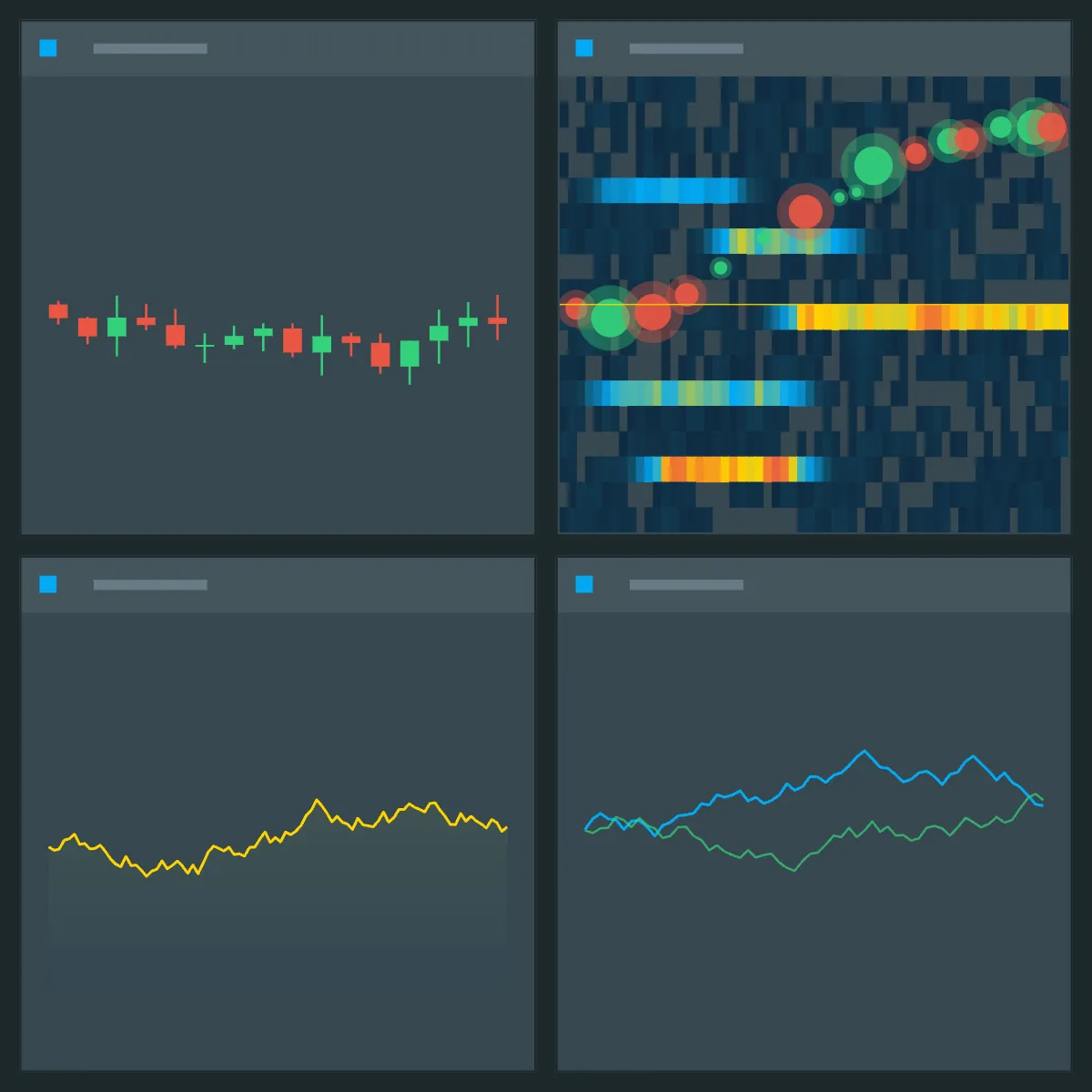
Different financial markets place very different demands on trading software.
A platform that works exceptionally well for long-term equity investing may be far less suitable for active futures trading or cryptocurrency markets.
Rather than trying to find one universal solution, traders should first consider the market they intend to trade.
Equities
Stock traders often benefit from software that combines charting with news integration, earnings calendars, watchlists, scanners, and Level II market data.
Because individual stocks frequently respond to company-specific events, having access to fundamental information alongside technical analysis can be valuable.
Many equity traders also rely heavily on pre-market and after-hours data to prepare for the regular session.
Futures
Futures traders generally place greater emphasis on execution quality, market depth, and real-time data.
Markets such as the E-mini S&P 500, Nasdaq futures, crude oil, and Treasury futures can move rapidly throughout the trading session, making low-latency data particularly important.
Many futures traders also rely on order flow analysis to observe liquidity, absorption, imbalance, and participant behavior around important price levels.
Cryptocurrency
Crypto markets operate continuously without the traditional opening and closing sessions found in equities.
This creates different analytical challenges.
Many cryptocurrency traders prioritize exchange connectivity, aggregated liquidity, multiple market views, and continuous monitoring of overnight market activity.
Since liquidity can vary significantly between exchanges, software capable of consolidating multiple venues can provide additional context.
Foreign Exchange
Forex traders frequently combine macroeconomic analysis with technical analysis.
Because currencies respond heavily to central bank policy, interest rates, and economic releases, software that integrates economic calendars and global market news can be particularly useful.
Session tracking also becomes more important due to the global nature of the currency market.
Ultimately, no single platform dominates every asset class.
The best software is usually the one designed around the specific market behavior that a trader encounters every day.
Desktop vs Mobile Trading Platforms
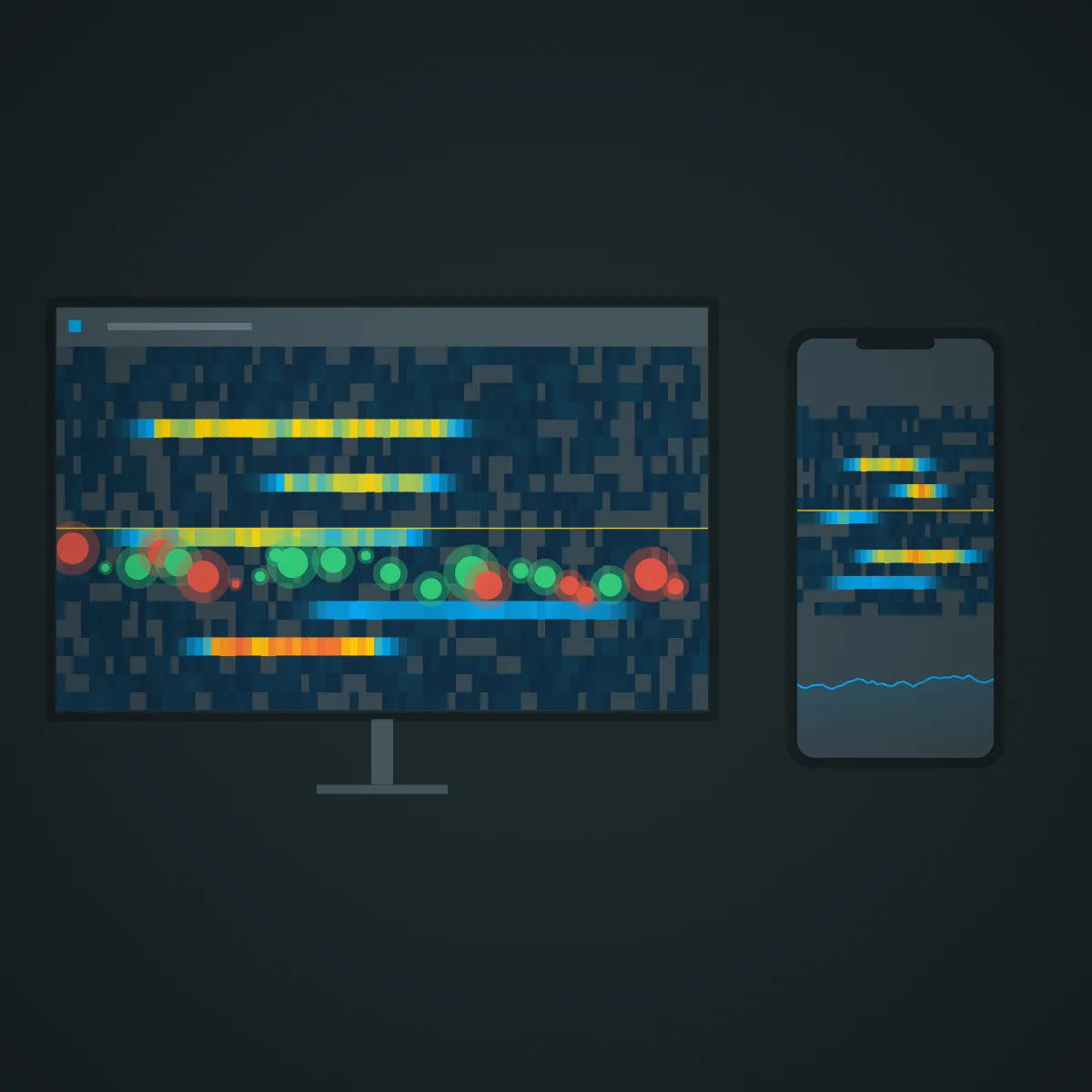
Modern trading software is available across desktops, laptops, tablets, browsers, and smartphones.
While mobile trading has become significantly more capable over the past decade, desktop platforms still remain the preferred environment for most active traders.
The primary reason is workspace flexibility.
Desktop systems allow traders to display multiple synchronized charts, news feeds, watchlists, execution windows, market scanners, and portfolio information simultaneously.
This broader market context becomes increasingly valuable as trading strategies become more sophisticated.
Mobile applications, on the other hand, prioritize accessibility.
They allow traders to monitor existing positions, receive price alerts, manage risk, and execute trades while away from their desks.
For swing traders or longer-term investors, this level of functionality may be entirely sufficient.
However, active day traders generally find smartphone screens limiting when attempting to analyze several markets simultaneously.
Another consideration is processing power.
Professional trading workstations often stream millions of market data updates each session while running numerous charts and indicators at the same time.
Desktop computers remain significantly better equipped for these workloads than mobile devices.
That said, many traders now combine both environments.
Desktop software serves as the primary analytical workspace during active trading hours, while mobile applications provide flexibility for monitoring positions throughout the remainder of the day.
Order Flow vs Traditional Charting Platforms
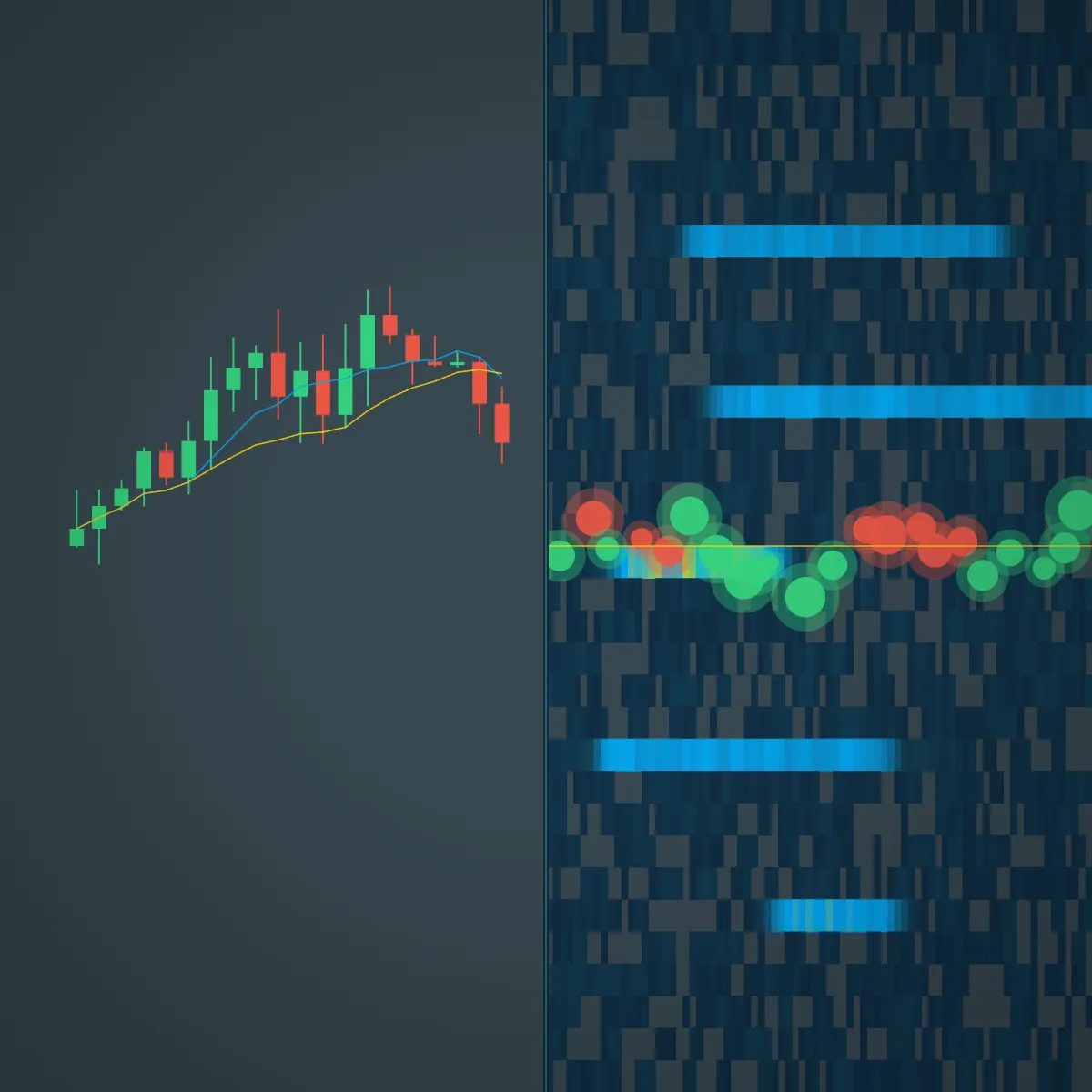
One of the biggest developments in trading software over the past decade has been the growing popularity of order flow analysis.
Traditional charting platforms primarily display the outcome of trading activity.
Candlestick charts, for example, summarize price movement over a given period using open, high, low, and close values.
Technical indicators then calculate mathematical relationships based on those prices.
Order flow platforms approach market analysis differently.
Instead of focusing only on where price has moved, they attempt to visualize why price moved.
This includes information such as:
- where liquidity is building
- how large participants interact with the order book
- whether aggressive buyers or sellers are dominating execution
- how supply and demand evolve in real time
- whether important liquidity levels remain in place or disappear
This additional context can help traders understand market behavior beyond traditional price patterns alone.
Rather than replacing technical analysis entirely, many traders use order flow alongside more familiar charting methods.
Support and resistance, trend analysis, moving averages, and volume studies remain valuable references.
Order flow simply adds another layer of information that can help confirm—or challenge—the conclusions drawn from price alone.
The result is a more complete picture of market structure and participant behavior, particularly during periods of increased volatility or around key price levels.
How to Choose the Right Trading Software
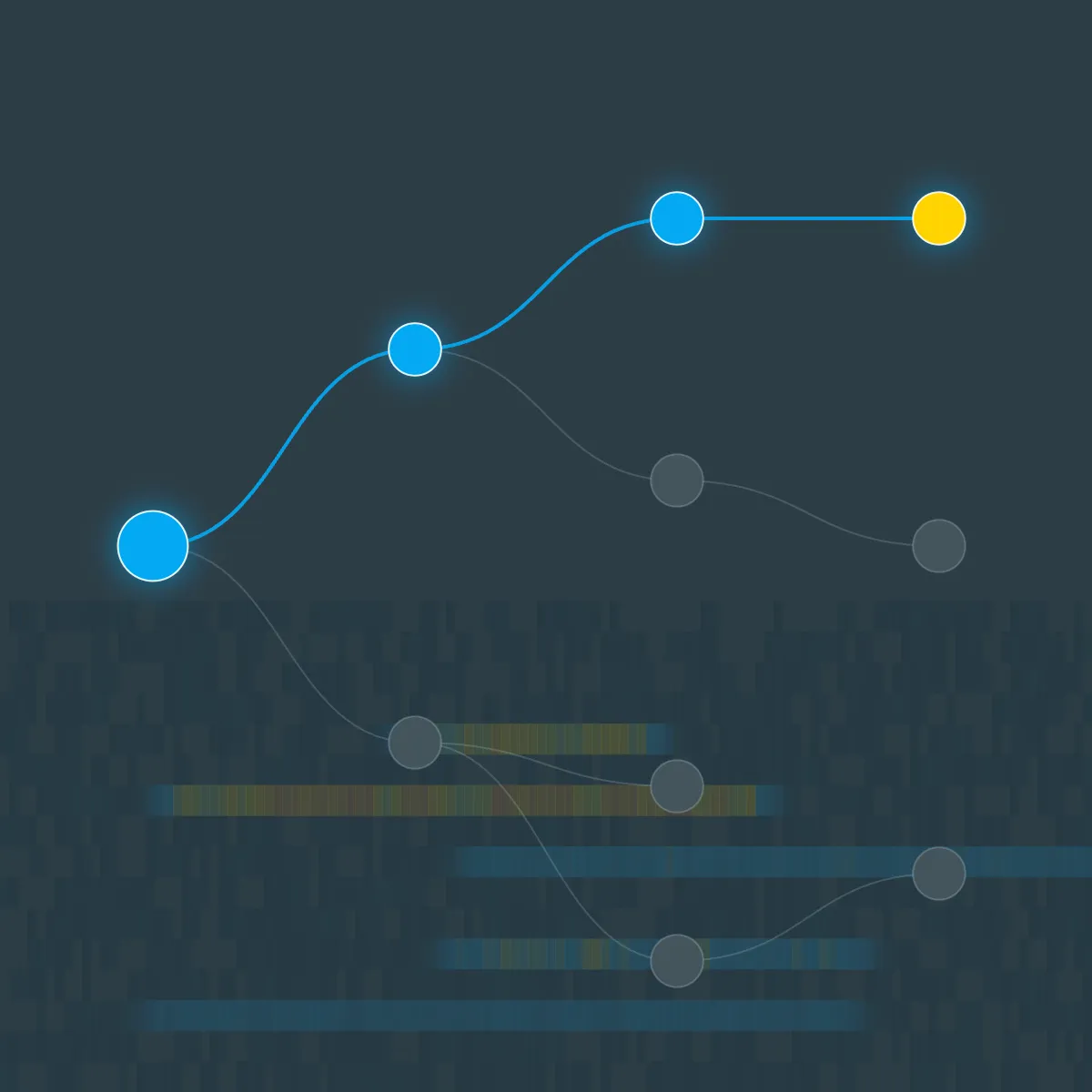
Choosing trading software is ultimately less about finding the platform with the most features and more about finding one that complements the way you analyze markets.
Before committing to any platform, consider asking yourself a few practical questions.
- Are you trading intraday or holding positions for days or weeks? Your answer influences how important execution speed and real-time data will be.
- Which markets do you primarily trade? Stocks, futures, cryptocurrencies, forex, and options each benefit from different analytical tools.
- Do you rely primarily on technical analysis, order flow, or fundamental research? The platform should support your preferred analytical approach rather than forcing you into another one.
- Will you eventually automate part of your workflow? Some traders eventually progress toward alerts, APIs, or algorithmic execution.
- Do you expect your needs to evolve? A platform that supports future growth may reduce the need to completely rebuild your workflow later.
There is no universally perfect trading platform because there is no universally perfect trading strategy.
The best software is the one that allows you to consistently execute your own process with confidence, reliability, and clarity.
Conclusion
The best trading software is not necessarily the one with the longest feature list or the highest price tag. Instead, it is the platform that supports your trading methodology, provides reliable market data, and helps you make better-informed decisions consistently.
For beginners, simplicity, education, and ease of use are often the highest priorities. Learning how markets function and developing disciplined execution matters far more than having hundreds of technical indicators.
As traders gain experience, their requirements naturally evolve. They may need faster execution, deeper market data, advanced chart customization, market replay capabilities, APIs, or sophisticated order flow visualization that provides greater insight into market behavior.
The important point is that your trading platform should grow alongside your development as a trader rather than becoming a limitation.
Whether your focus is stocks, futures, cryptocurrencies, or multiple asset classes, selecting software that aligns with your objectives will make learning, analysis, and execution significantly more efficient.
For traders who want to move beyond traditional price charts and understand how liquidity, market depth, and order flow influence price movement, Bookmap provides a visual approach that complements both technical and fundamental analysis.
Start exploring Bookmap today with a free plan and discover how modern market visualization can improve your understanding of market structure and execution.
FAQ
What is the best trading software for beginners?
The best trading software for beginners should be easy to navigate, provide educational resources, support paper trading, and offer clear charting tools. Rather than choosing the platform with the most features, new traders should prioritize software that helps them understand market behavior while minimizing unnecessary complexity.
What features should experienced traders look for?
Experienced traders often prioritize real-time market data, customizable workspaces, advanced charting, low-latency execution, multiple monitor support, APIs, market replay, and order flow visualization. The right combination depends on the trader’s strategy and the markets they trade.
Is free trading software good enough?
Free trading software is often sufficient for learning market basics, testing strategies, and practicing with simulated accounts. As trading becomes more active, many traders eventually upgrade to platforms that offer professional-grade data, additional analytical tools, and more customization.
Should I choose desktop or mobile trading software?
Desktop platforms generally provide more comprehensive analysis capabilities, larger workspaces, and better support for active trading. Mobile applications are ideal for monitoring positions, receiving alerts, and managing trades while away from your primary workstation. Many traders use both.
What is the difference between a broker and trading software?
A broker provides market access and executes trades on your behalf. Trading software is the interface used to analyze markets, view charts, monitor positions, and submit orders. In some cases, brokers include their own software, while other platforms connect to multiple brokerage providers.
Does trading software work for stocks, futures, and cryptocurrencies?
Many modern platforms support multiple asset classes, although available features may differ depending on the market. Some platforms specialize in one asset class, while others provide tools for stocks, futures, options, forex, and cryptocurrencies within a single workspace.
What should I consider before choosing trading software?
Before selecting a platform, ask yourself:
- Are you trading actively or investing long term?
- Which asset classes do you plan to trade?
- Do you rely on technical analysis, order flow, or fundamental research?
- Do you need mobile access, desktop workspaces, or both?
- Will you eventually need automation or API connectivity?
Answering these questions will help narrow your choices considerably.
Is order flow software better than traditional charting?
Neither is universally better—they serve different purposes. Traditional charts summarize price movement, while order flow platforms visualize liquidity, market depth, and executed trades. Many professional traders combine both approaches to build a more complete understanding of market behavior.
Sign Up Now