


Ready to see the market clearly?
Sign up now and make smarter trades today
Futures
July 24, 2026
SHARE
SPX Futures: A Beginner’s Guide to Trading S&P 500 Futures
Table of Contents
- What Are SPX Futures?
- SPX Futures vs. E-mini and Micro E-mini Futures
- Why Traders Watch S&P 500 Futures
- How SPX Futures Trading Works
- Reading SPX Futures Charts
- Choosing an SPX Futures Trading Platform
- Margin Requirements and Contract Specifications
- Using Order Flow to Trade SPX Futures
- Common Mistakes New Futures Traders Make
- Conclusion
- FAQ
What Are SPX Futures?
SPX Futures are futures contracts tied to the performance of the S&P 500 Index, allowing traders to speculate on or hedge against future movements in one of the world’s most widely followed equity benchmarks.
Unlike purchasing individual stocks, futures contracts allow traders to gain exposure to an entire market index through a single instrument. Because of this, SPX Futures have become one of the primary stock market index futures used by institutional investors, hedge funds, proprietary trading firms, and active retail traders.
As a type of equity derivative, an SPX futures contract derives its value from the underlying S&P 500 Index rather than representing ownership of the individual companies within it.
Many traders monitor SPX Futures because they provide:
- Early indications of overall market sentiment
- Nearly 24-hour market access
- High liquidity
- Efficient hedging opportunities
- Exposure to broad U.S. equity performance
Rather than focusing on one company’s earnings or news, traders can evaluate how the entire U.S. stock market may be positioned before the regular cash session opens.
SPX Futures vs. E-mini and Micro E-mini Futures
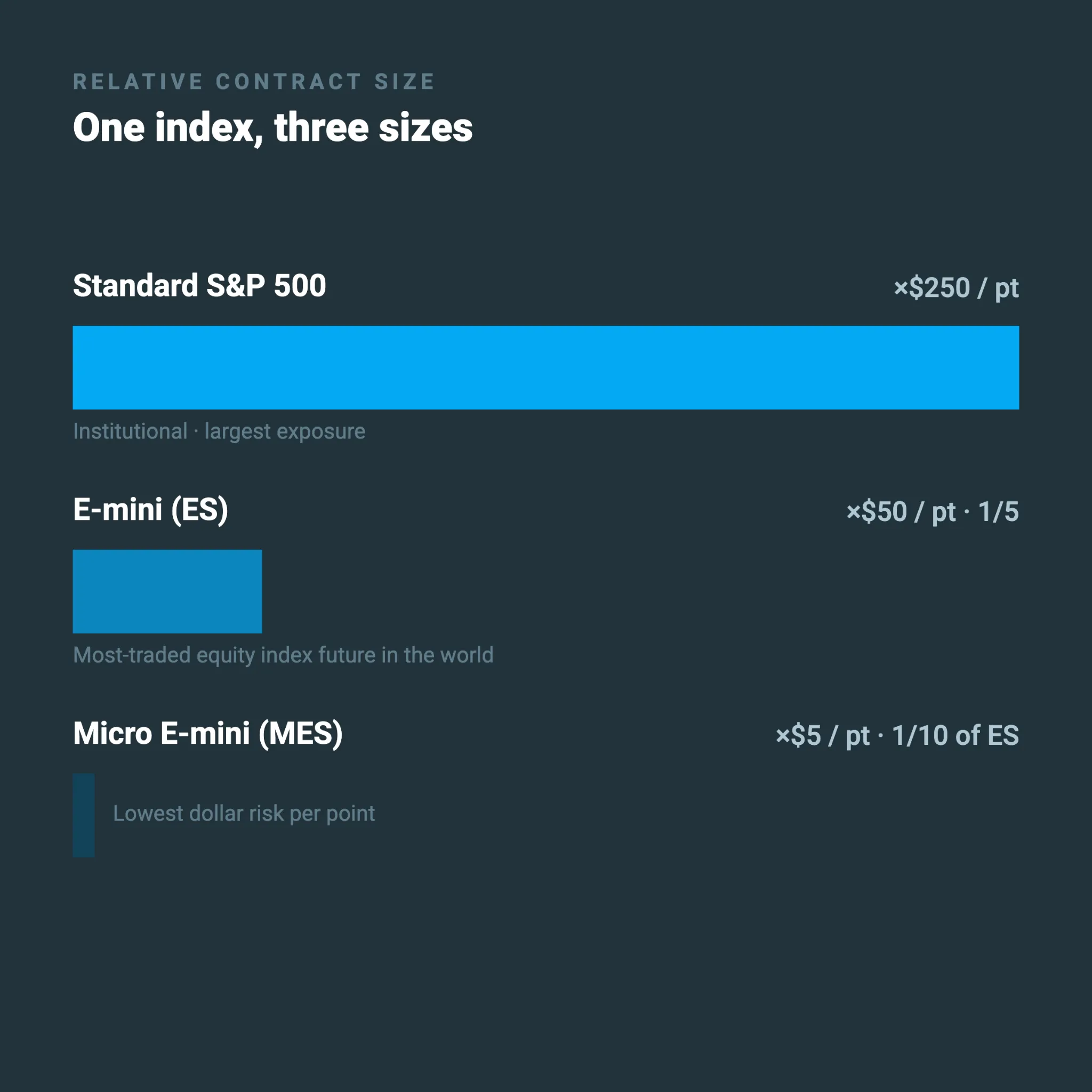
Although many traders use the term SPX Futures, several different S&P 500 futures products exist.
The most common include:
| Contract | Typical User | Contract Size |
| Standard S&P 500 Futures | Institutional traders | Largest exposure |
| E-mini S&P 500 Futures (ES) | Professional & active retail traders | 1/5 of Standard |
| Micro E-mini S&P 500 Futures (MES) | Newer and smaller traders | 1/10 of the E-mini |
The E-mini S&P 500 Futures contract is the most actively traded equity index futures contract in the world.
It offers:
- Lower capital requirements
- Excellent liquidity
- Tight bid-ask spreads
- Strong institutional participation
For newer traders, the Micro E-mini contract provides the same market exposure while significantly reducing dollar risk per point.
Choosing between these contracts typically depends on account size, risk tolerance, and trading objectives rather than market outlook.
Why Traders Watch S&P 500 Futures
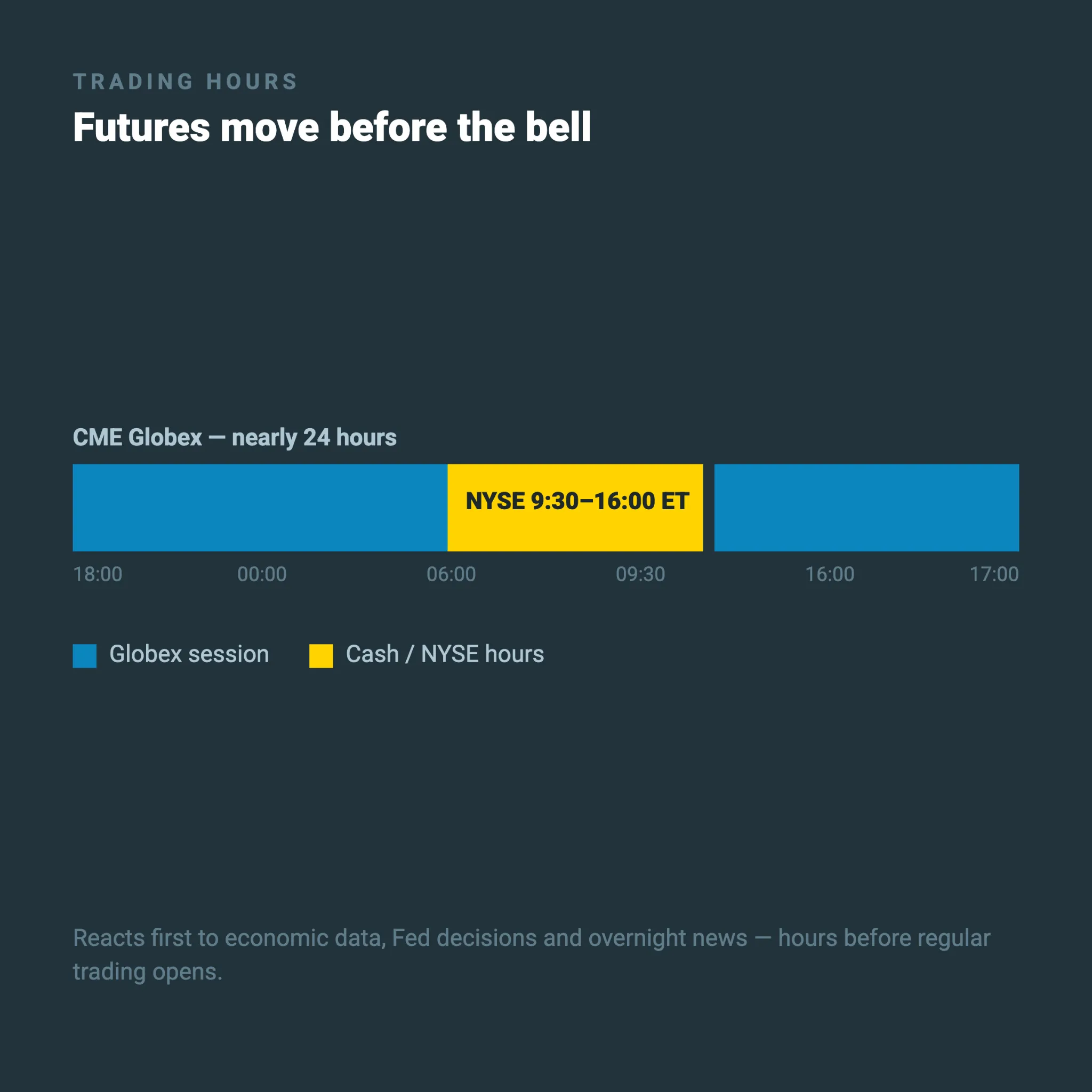
One reason S&P 500 futures receive so much attention is that they continue trading long before the U.S. stock market opens.
While the New York Stock Exchange operates during regular market hours, futures trade almost continuously through the CME Globex session.
Because of this, SPX Futures often react first to:
- Economic releases
- Federal Reserve announcements
- Geopolitical developments
- Corporate earnings
- Overseas market activity
This makes futures an important U.S. market indicator for traders around the world.
For example, if major news breaks overnight, SPX Futures may already be pricing in market expectations hours before the opening bell.
Many investors therefore watch futures markets to gauge whether stocks are likely to open higher or lower.
How SPX Futures Trading Works
Unlike purchasing shares outright, futures trading involves entering an agreement to buy or sell the value of an index at a future date.
Most traders never hold contracts until expiration. Instead, they open and close positions throughout the trading session.
Profit and loss depend on:
- Entry price
- Exit price
- Contract size
- Number of contracts traded
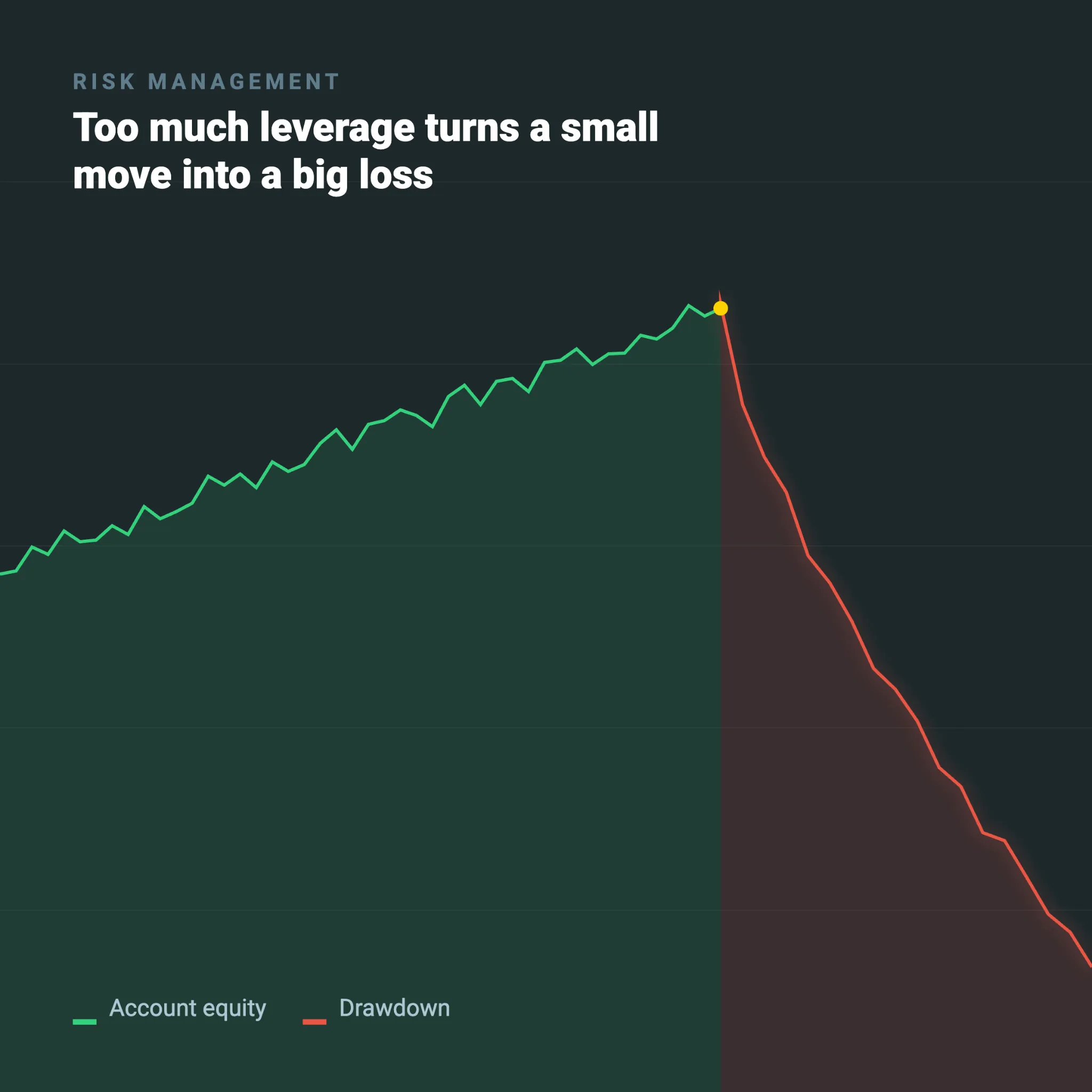
Because futures use leverage, relatively small price movements can create meaningful gains—or losses.
This makes risk management especially important.
Common trading styles include:
Day Trading
Opening and closing positions during the same session.
Swing Trading
Holding positions for several days while attempting to capture larger market moves.
Hedging
Using futures to offset risk in a stock portfolio.
Algorithmic Trading
Executing systematic strategies through automated trading systems.
Reading SPX Futures Charts
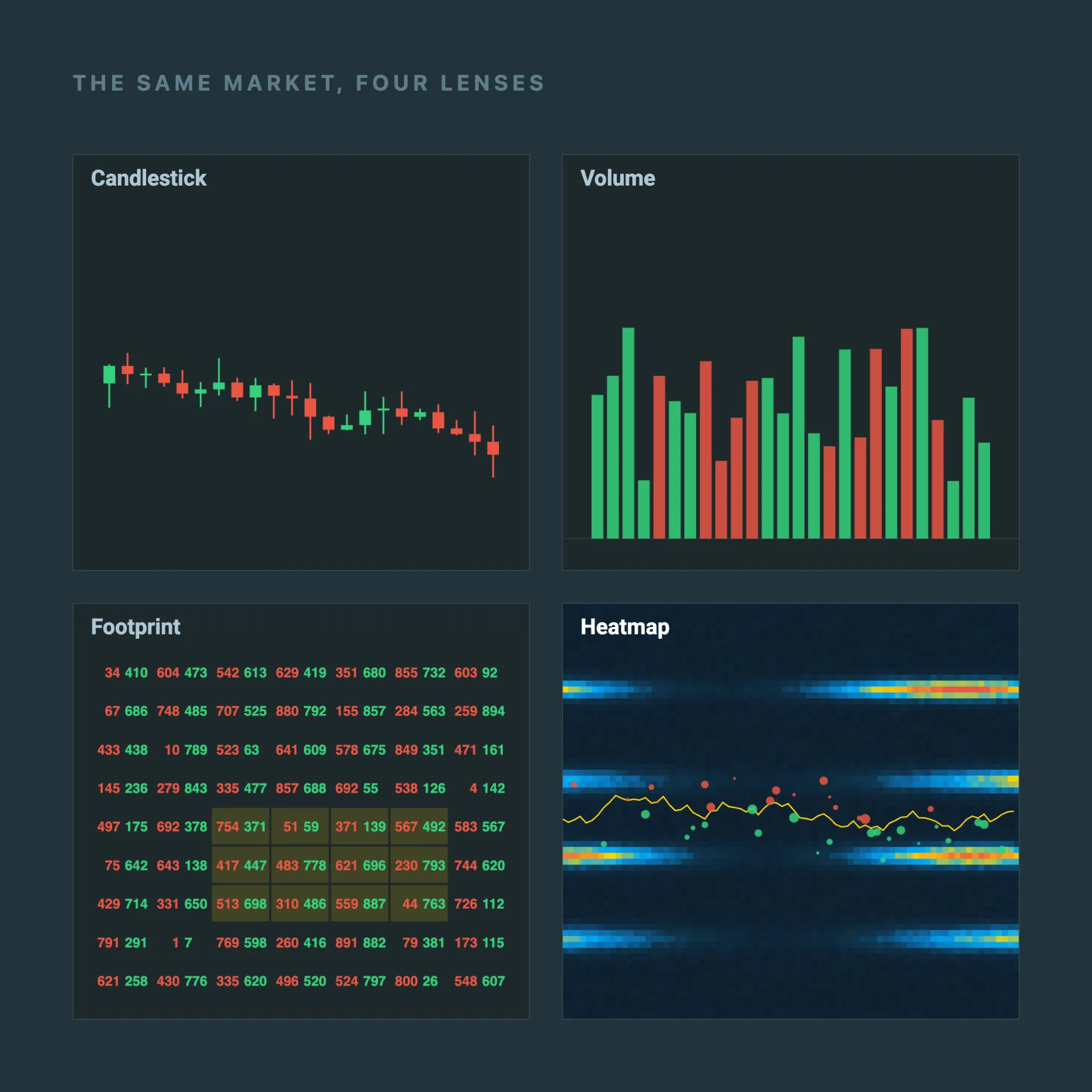
Charts are central to futures trading because they help traders understand how buyers and sellers are interacting throughout the session.
Common chart types include:
- Candlestick charts
- Tick charts
- Range charts
- Volume charts
- Footprint charts
- Order flow charts
Traditional price charts display what price has done.
Order flow tools attempt to explain why price moved.
Rather than only showing candles, advanced charting platforms visualize:
- Market depth
- Executed volume
- Liquidity
- Aggressive buying and selling
- Order book dynamics
Many active traders combine multiple chart types to obtain different perspectives on the same market.
For example:
- Daily charts establish trend direction.
- Five-minute charts identify trade setups.
- Order flow confirms entries and exits.
Choosing an SPX Futures Trading Platform
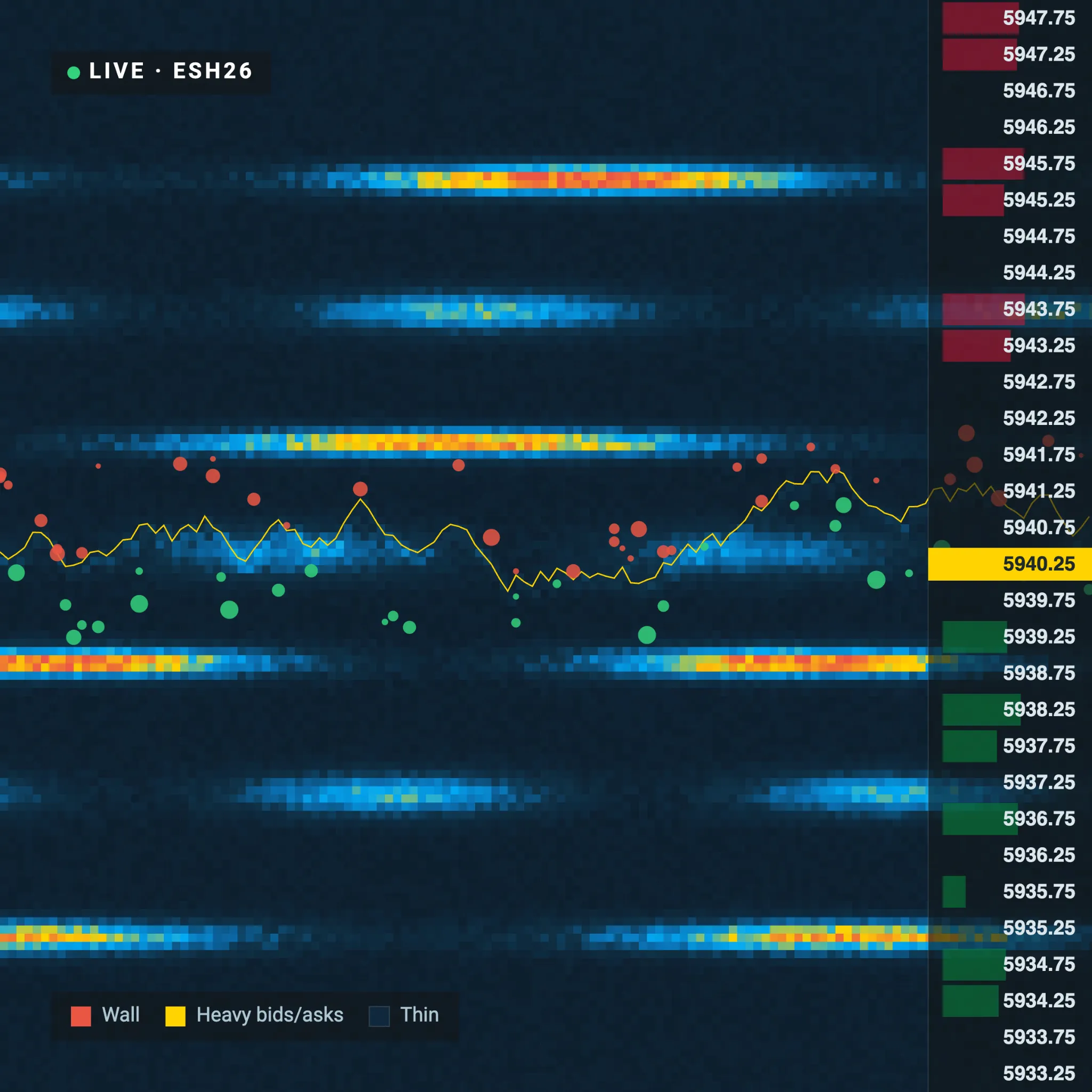
Selecting the right trading platform depends on your experience level and trading style.
Most traders evaluate platforms based on:
- Execution speed
- Reliability
- Market depth visualization
- Historical replay
- Chart customization
- Broker connectivity
- Order flow analysis
- Risk management tools
Some platforms emphasize traditional technical analysis.
Others focus on market microstructure, allowing traders to see how liquidity changes throughout the session.
When evaluating an S&P 500 futures platform, consider whether it supports:
- Full depth of market (DOM)
- Historical order book replay
- Heatmaps
- Volume analysis
- Custom indicators
- Automated execution
- Simulation mode
Professional traders often value transparency over simply adding more indicators.
Margin Requirements and Contract Specifications
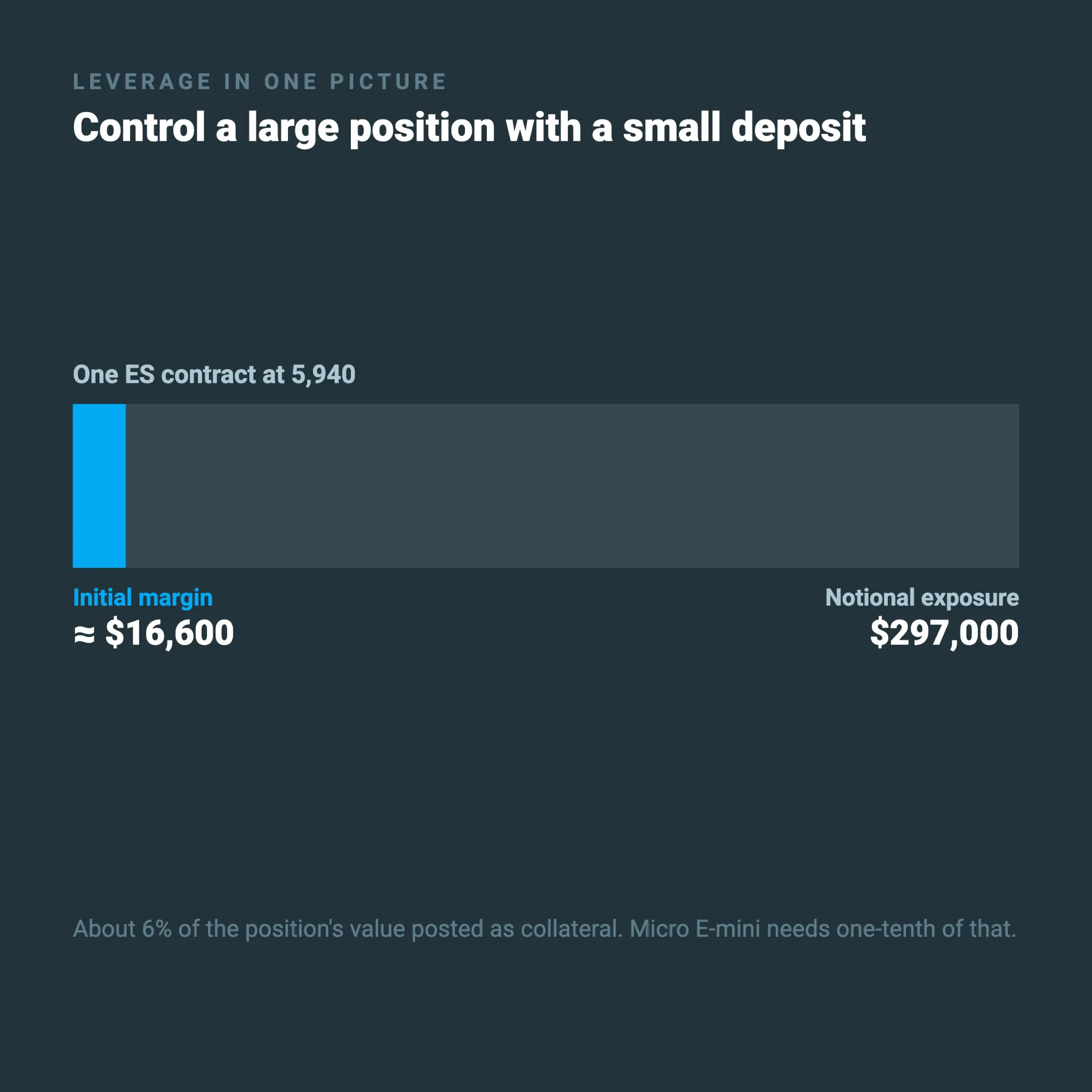
Unlike stock investing, futures trading requires only a fraction of a contract’s notional value as collateral.
This is known as margin.
There are generally two important margin values:
Initial Margin
The amount required to open a position.
Maintenance Margin
The minimum account balance needed to continue holding that position.
Margin requirements vary depending on:
- Exchange rules
- Broker policies
- Market volatility
- Contract type
Micro contracts naturally require less capital than E-mini contracts.
Many brokers also offer lower intraday margins for traders who close positions before the session ends.
Before opening any position, traders should understand:
- Tick size
- Dollar value per tick
- Contract multiplier
- Trading hours
- Settlement method
- Expiration schedule
Understanding contract specifications is just as important as understanding chart analysis.
Understanding SPX Futures Expiration Dates
Futures contracts expire on scheduled dates throughout the year.
As expiration approaches, trading activity typically shifts into the next active contract month.
Most active traders roll their positions forward before expiration rather than holding until settlement.
If you’re viewing futures quotes, you’ll often see symbols that identify the contract month and year.
For example, contract codes such as ESH26 represent a specific expiration month rather than a permanently traded instrument.
Using Order Flow to Trade SPX Futures
Price alone rarely tells the complete story.
Many professional traders supplement traditional chart analysis with order flow.
Order flow focuses on:
- Where liquidity is building
- Where large participants are active
- How aggressive buyers interact with resting sellers
- Whether liquidity is being added or withdrawn
Instead of only seeing price movement after it occurs, traders attempt to understand the interaction between buyers and sellers that created that movement.
Platforms such as Bookmap visualize this through:
- Heatmaps
- Volume bubbles
- Depth of Market (DOM)
- Historical liquidity
- Iceberg detection
This allows traders to observe whether price is:
- Being accepted
- Being rejected
- Trading into significant liquidity
- Breaking through areas where liquidity disappears
Rather than relying solely on indicators, order flow helps traders interpret market behavior in real time.
Common Mistakes New Futures Traders Make
Many new futures traders focus almost exclusively on finding entry signals.
In reality, long-term success depends just as much on risk management.
Common mistakes include:
Using Too Much Leverage
Small price movements become much larger when leverage increases.
Ignoring Market Context
A good setup can fail if broader market conditions change.
Trading During Low Liquidity
Thin markets often produce wider spreads and less predictable price movement.
Overcomplicating Analysis
Adding dozens of indicators rarely improves decision making.
Failing to Manage Risk
Every trade should include predefined risk parameters before entering the market.
Consistent traders focus more on process than prediction.
Conclusion
SPX Futures provide traders with efficient exposure to one of the world’s most important financial benchmarks.
Whether you’re monitoring overnight market sentiment, managing portfolio risk, or actively day trading, S&P 500 futures remain one of the most liquid and closely watched derivatives available.
Success, however, depends on much more than simply following price.
Understanding contract specifications, managing leverage responsibly, reading market structure, and interpreting order flow can all contribute to better decision making.
As traders gain experience, many move beyond traditional candlestick analysis and begin incorporating liquidity, market depth, and real-time execution data into their workflow.
Developing that broader view of market behavior can help traders build more informed and repeatable trading strategies.
FAQ
Are you looking for live quotes or contract specifications?
This guide explains how SPX Futures work and their contract mechanics rather than providing live market data. Live prices depend on your broker or market data provider.
Did you want to see the E-mini or the Micro E-mini futures?
Both contracts track the S&P 500 but differ significantly in contract size, margin requirements, and overall risk exposure. Many newer traders begin with the Micro E-mini before progressing to the standard E-mini contract.
Are you tracking the current regular session or overnight Globex trading?
Many futures traders monitor both. Overnight Globex activity often establishes important support, resistance, and market sentiment ahead of the regular U.S. trading session.
Are you looking for algorithmic execution or manual charting software?
Some platforms prioritize automated execution and API connectivity, while others focus on discretionary trading through advanced charting, order flow visualization, and market depth analysis.
Do you need free simulators or institutional-grade platforms?
Simulation platforms can help newer traders learn contract mechanics without financial risk. Professional traders often require advanced execution tools, full-depth market data, replay capabilities, and broker integration.
Are you looking for mobile trading apps or desktop software?
Desktop platforms generally offer the most advanced futures charting, order flow visualization, and customization options. Mobile applications are useful for monitoring positions and managing trades while away from a workstation.
Sign Up Now