


See trade quality more clearly in real time.
Compare plans to access deeper market visibility for trade quality.
Trading Basics
October 7, 2025
The 3-Legged Stool of Trade Quality: Context, Execution, and Behavior
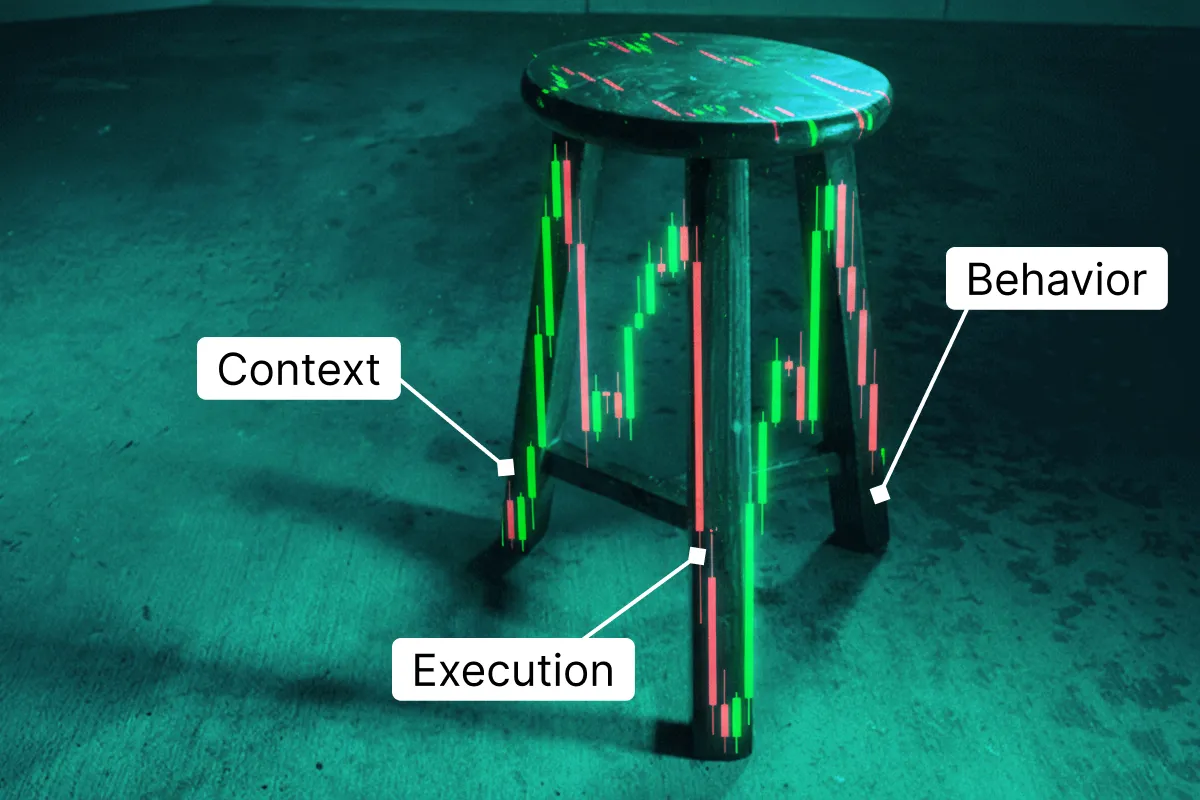
Do you think trading is only about spotting a setup and clicking buy or sell? In 2025, you can’t merely succeed as a chart reader! Yes, and that’s because the reality is more layered!
A trade’s outcome depends not just on the idea, but on how you read the market, how you execute, and how you manage yourself in the process.
You can think of it like a three-legged stool. One leg is “context” (understanding the market/ auction process), the second is “execution” (the precision of your entries, stops, and exits), and the third is “behaviour” (your discipline, patience, and ability to stick to the plan).
Miss one, and your P&L is in the red! Don’t want that?
This article explains each leg step by step and shows how trade quality factors build consistency. You’ll learn how context sharpens timing, how execution turns ideas into results, and how mindset creates lasting edge! Read this article till the end to develop a consistent trading mindset.
Context: Understanding the Market Environment
Before taking any trade, you must step back and try to identify where you are in the auction process. This knowledge can be obtained by understanding the “context”. For those unaware, it is the foundation of trade quality factors and influences both your timing and confidence. Without it, even a technically correct setup can fail. Let’s understand in detail:
What is the Real Meaning of Context?
In the markets, context is more than just looking at price! It includes several elements:
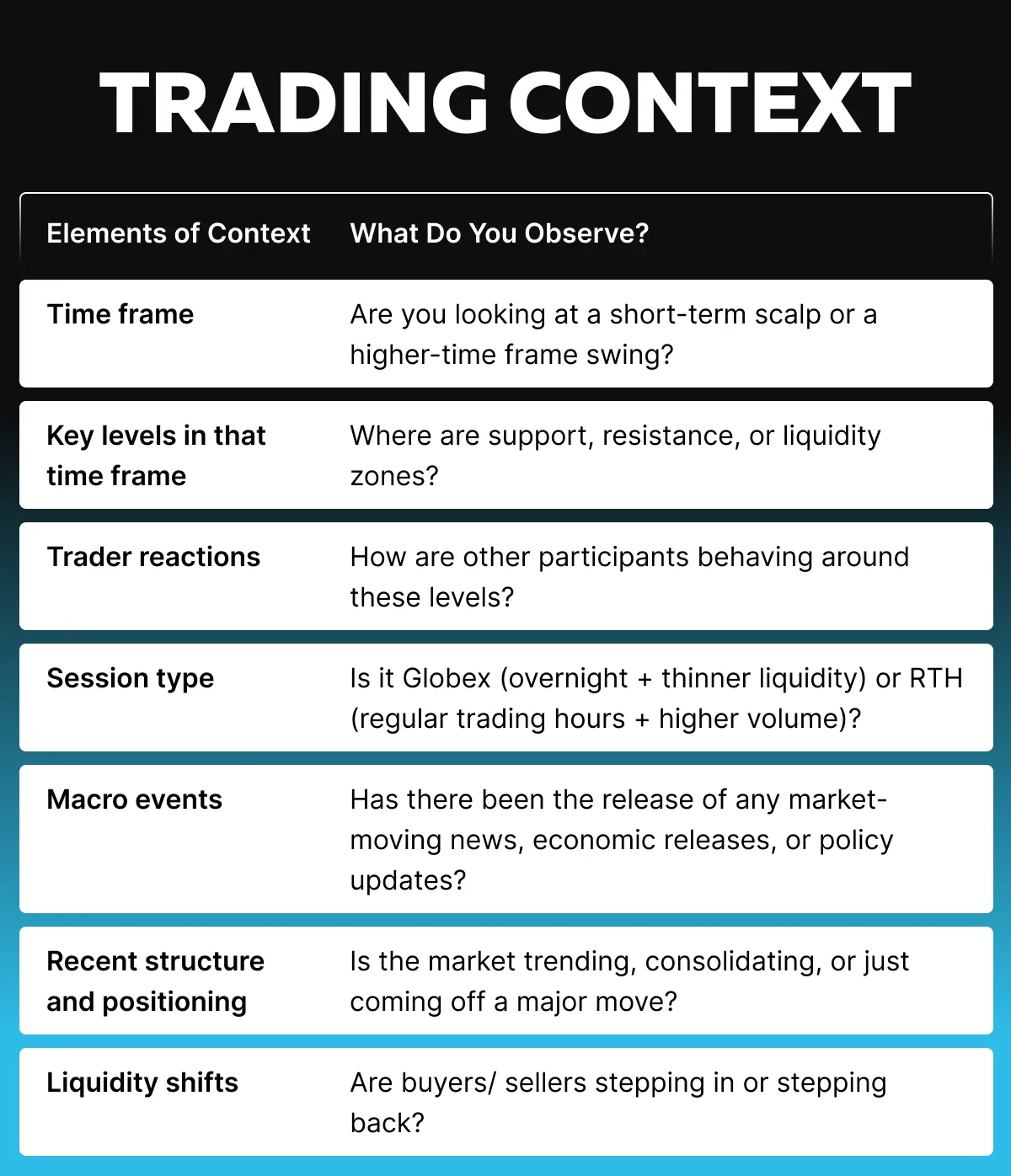
Next, as a trader, you should never enter the market blindly! Instead, ask yourself simple questions before executing, such as:
- Am I fading a move or trading with momentum?
- Is the session trending or balanced?
- Are big players active, or is liquidity thin?
By acting on the knowledge so obtained, you can keep yourself aligned with the market’s actual behavior.
Good Context Improves Timing and Execution
Context is what separates a good trade from a gamble! Yes, the same setup can succeed or fail depending on when and where you take it. Let’s understand better through an example:
- Let’s say you’re planning a breakout trade.
- At 11:30 ET, the market is quiet, and there is less trading volume.
- Liquidity support is thin, and big players are mostly absent.
- You buy the breakout at $4,500.
- However, since there are few participants to fuel the move, the price quickly stalls.
- It slips back to $4,495, and you incur a small $5 loss.
Now take the same setup at the market open. At this time, liquidity is thick and volume is high. Also, aggressive buyers are chasing price. Now, you enter long at $4,500, and the price gets pushed to $4,515 or $4,520. This gives you a clean $15–$20 upside.
As a trader, you must understand that the setup hasn’t changed! Instead, only the context has changed. By adopting the right “context execution trading behavior”, you can:
- Better read the environment
- Improve your timing and execution
- Enhance your trade quality
You Can Use Advanced Real-Time Market Analysis Tools, Like Bookmap
On Bookmap, you can read context in real time. Ideally, you should look for the following:
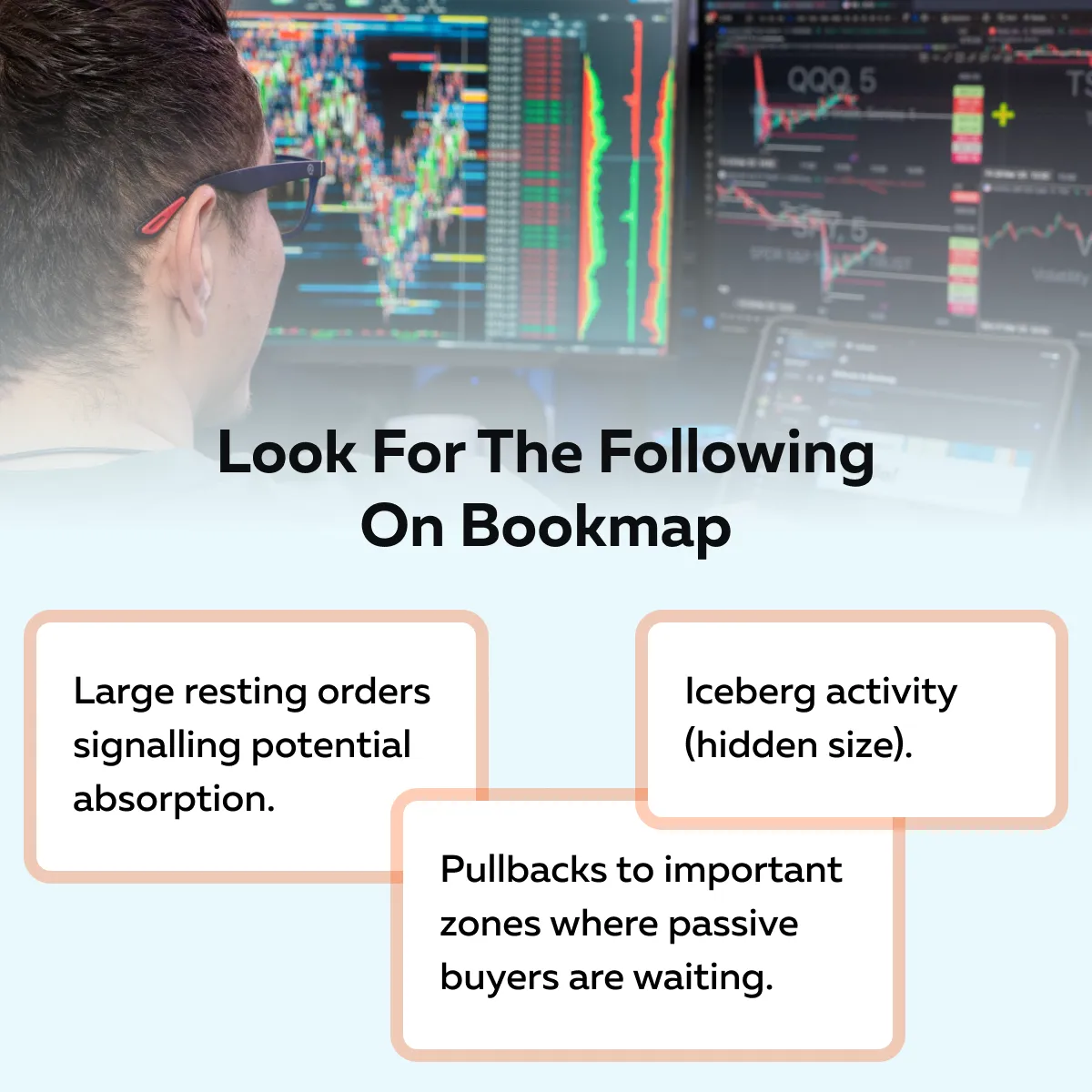
These are clues that reveal how the market is behaving around your level (not just whether price touches it). Improve your decision-making with Bookmap’s volume and liquidity insights—know the full market picture before you act.
Execution: How You Enter and Exit the Trade
Even if you understand context perfectly, poor execution can still destroy a good idea. That’s because spotting the setup is not enough! You must also focus on how you enter, manage, and exit the trade. Follow these four techniques to improve your trade execution:
1. Develop Precision in Entry
To be successful, you must try to get in at the right moment. Ask yourself these two questions:
| Question I | Question II |
|
|
If the answer to the first question is a YES and the second one is a NO, you are entering early without confirmation. And when you do so, you are often fighting against liquidity.
2. Professionally Determine Your Stops, Position Size, and Risk Management Tactic
Even a high-quality setup can fail if your stop placement or size is off. Some common examples are:
- A stop that’s too tight may get triggered before your idea plays out.
- If you trade with a big position size when the market is thin, even small moves feel stressful and can push you to abandon your plan.
Thus, good risk alignment is part of trading discipline and execution. It protects you when the context changes.
3. Exit with Discipline
Execution is not restricted to only market entry. It’s also about how you get out and exit the market. What is your exit approach out of these three:
- Do you trail your stop to protect profits as price moves in your favor?
- Do you take partial profits at key levels to secure gains while keeping some skin in the game?
- Do you panic-exit the moment price moves a little against you?
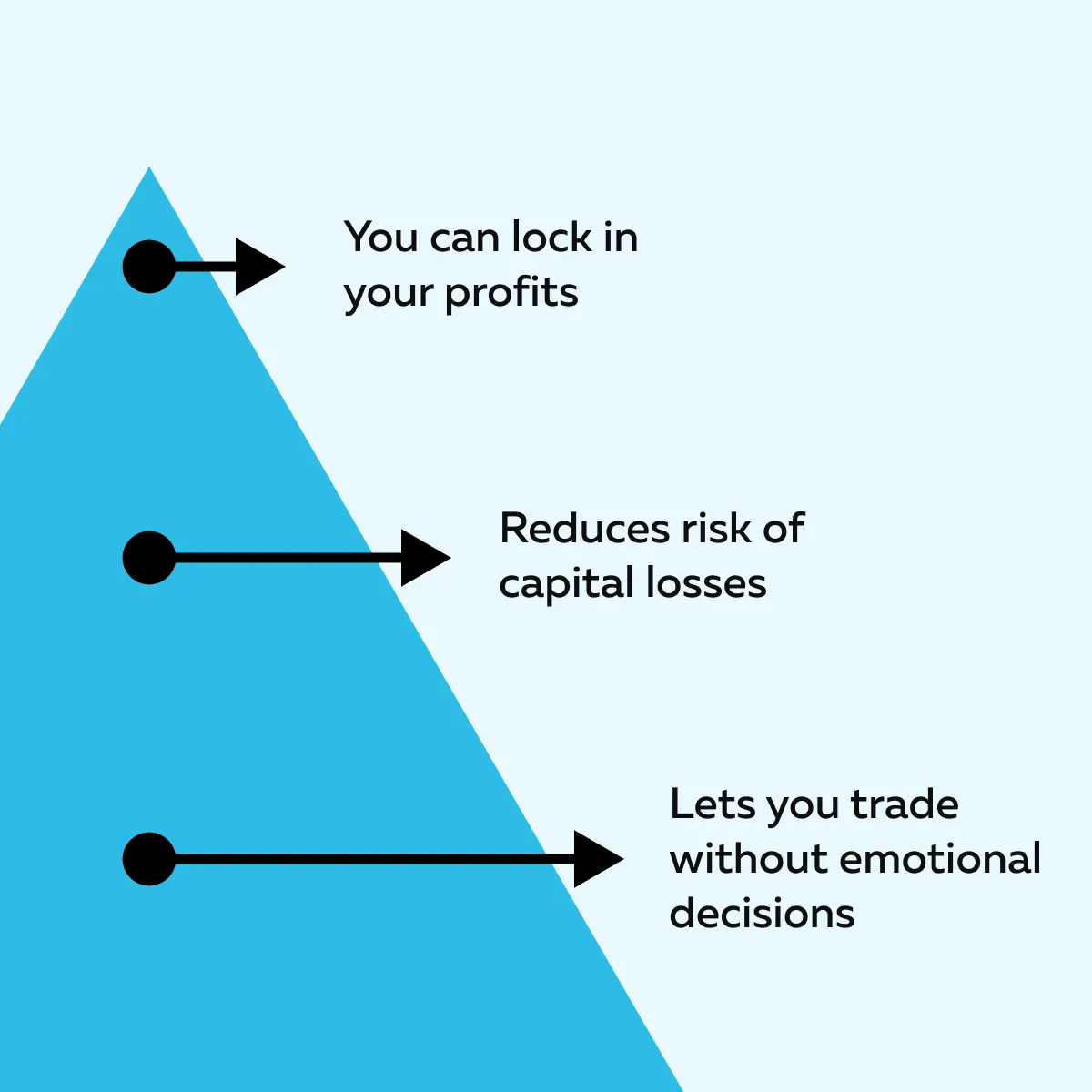
Always remember that the ideal approach is to plan exits in advance! You can also use partial exits at logical zones and trail stops as momentum continues. Learn how this can help you:
4. Read Momentum Using Bookmap
By using Bookmap, you can significantly refine your execution. It offers several features, such as:
- “Volume dots” that show if momentum is gaining or fading.
- “Stop run indicators” that show when trapped traders may fuel the move further.
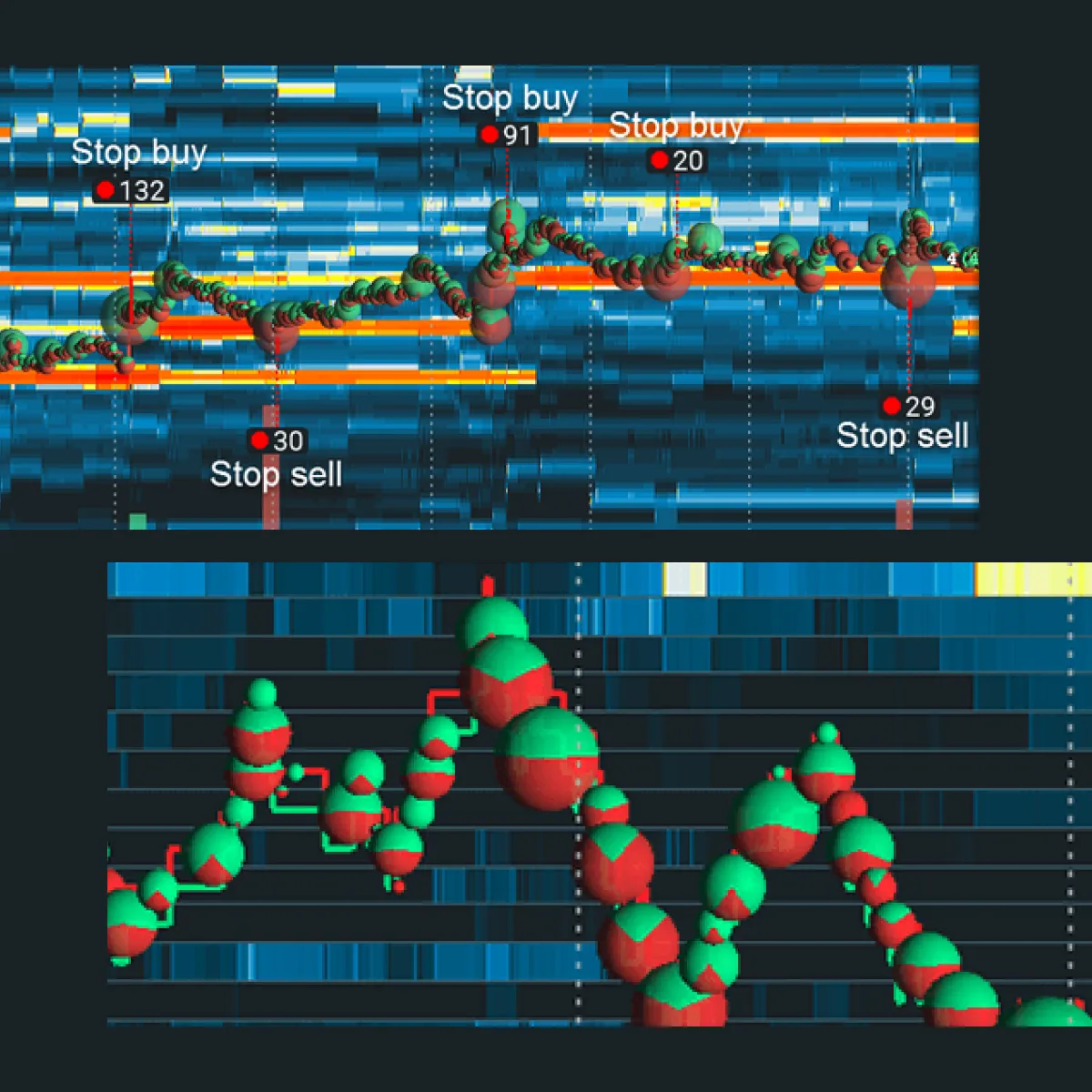
With Bookmap, you are not just “clicking in”. Instead, you’re reading the tape and executing trades as per the real-time flow. This improves trade quality + makes you disciplined.
Behavior: Managing Emotion and Discipline
You made the best context read. You made the cleanest entry. But if your behavior slips, the trade can still go wrong! That’s why your ability to stay calm and stick to the process is one of the most important trade quality factors.
Many traders know the setup but sabotage themselves through:
| Impatience | Revenge trading | FOMO | Freezing |
| Jumping in too early or exiting before the move develops | Forcing trades after a loss to “make it back.” | Entering weak setups just because you don’t want to miss out. | Ignoring stop-loss rules or refusing to cut a loser. |
These behaviors directly impact context execution because they push you into trades that don’t match the market environment.
So, What Good Behavior Looks Like!
Strong behavior is about consistency and not perfection. It means:
- Following your playbook every time.
- Accepting losses as part of the process without spiraling emotionally.
- Reviewing trades calmly after exit.
- In after-market hours, you focus on execution and mindset (not just P&L).
This is how you build a consistent trading mindset. One that survives both wins and losses!
Some More Ways to Improve
Don’t just journal price action! Instead, write down your mindset, emotions, and whether you actually followed your plan.
For example:
-
- Say you had a great context read and made a solid entry.
- However, you exited too early because of fear from a previous loss.
- Now, on paper, it looks like a win!
- But in reality, you lost the bigger opportunity and reinforced bad habits.
Thus, by tracking both market data + personal behavior, you can improve trade quality and build a strong trading discipline.
The Power of Aligning All Three
Trade quality factors aren’t about chasing perfection! They’re more related to stacking the odds in your favor. Want to know when the best trades happen? Check out these three pillars of trading:
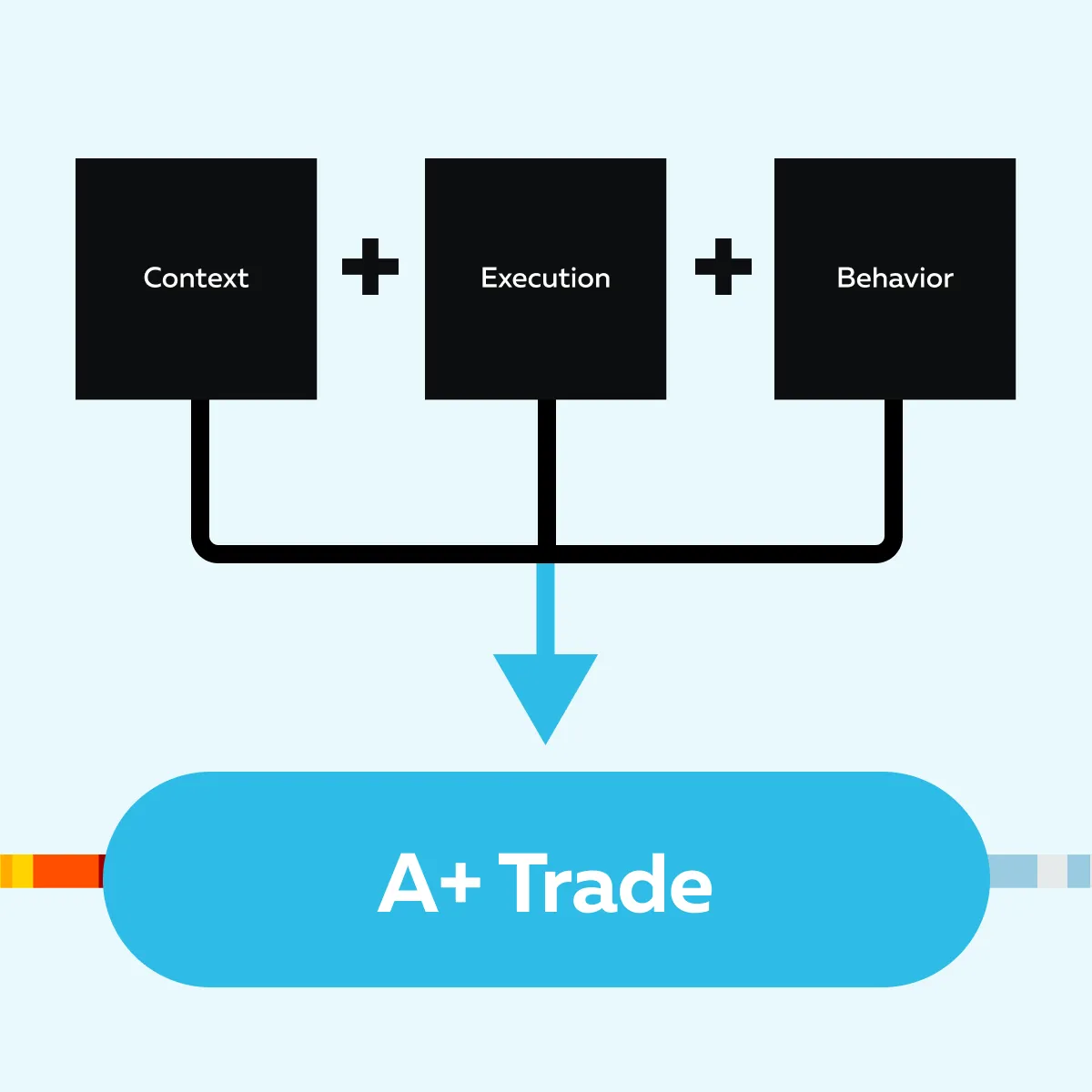
When context + execution + behaviour work together, that’s when you create what many traders call an “A+ trade.” Let’s see what an A+ trade looks like:
- You read the market context correctly and understand where you are in the auction.
- You execute with precision:
- Clear entry logic
- Proper stop placement
- Smart position sizing
- You maintain discipline + stay calm.
- You follow your plan without letting emotions take over.
When these align, you maximize trading edge and confidence!
What Happens When These Pillars Are Missing
Be aware that each missing leg reduces trade quality and consistency. Let’s see how:
| Great Context, Poor Execution | Good Setup, Weak Behavior | Strong Discipline, No Context |
|
|
|
To avoid such a situation, after every trade, ask three questions:
- Did I understand the market context?
- Was my execution clean and deliberate?
- Did I manage my behavior and follow my rules?
Such a review builds awareness and strengthens your trading discipline and execution. Also, it gradually improves your trade quality.
Conclusion
A good trade is more than just a green P&L! Yes, real success comes from focusing on trade quality factors, which are: Context, Execution, and Behavior. When these three align, you create trades that are logical + repeatable.
If even one leg is weak, the trade is at risk, whether through:
- Mistimed entries
- Emotional exits
- Setups without real edge!
Thus, instead of judging yourself only by profit or loss, start rating each trade against these three legs. This simple habit strengthens your trading discipline and execution. Want to see how these factors play out live? Great trades need more than a setup. Bookmap helps you align execution with context and stay in control of your behaviour.
FAQs
1. What does “context” mean in trading?
Context means understanding the bigger picture before you place a trade! It includes the following:
- Session type (Globex or RTH)
- The market’s current trend or balance
- Important price levels
- Liquidity conditions
- Any major news events
By analysing all these market parameters, you can find the answer to – Is this the right place and time for my idea? Good context improves timing, confidence, and overall trade quality factors.
2. Why is execution so important if the setup is valid?
A strong trade idea can still fail if you don’t execute properly! Some examples of poor execution are:
- Chasing after price moves
- Entering too late
- Oversizing your position
- Mismanaging stops
All these activities can ruin the risk/reward. Thus, execution is where theory becomes reality, as that’s how you actually put the trade on. Always remember that without clean execution, even valid setups are not profitable!
3. How can I track my behavior during trades?
You can track behavior by keeping a trading journal (that goes beyond numbers). In this journal, you can:
- Note your emotions (fear, greed, impatience)
- Trading mindset
- Whether you followed your rules (original trading plan)
Some traders even rate discipline on a scale. When you keep noting this information, over time, some patterns will emerge. By analysing these patterns, you can build awareness and develop a consistent trading mindset.
4. Can I recover from a trade that was poor in one area?
Yes, one weak area doesn’t mean you can’t recover! Sometimes you might correctly understand the market environment (great context), but the way you enter or manage the trade (sloppy execution) is wrong! You are either chasing too late or placing a poor stop.
If not this, you might enter and manage the trade well (solid execution), but let emotions take over. This causes you to exit too early or too late (emotional exits).
Whatever your weak area is, your aim should be to use it as a review point. Ask yourself – Which of the three legs failed? And then adjust next time. In this way, you can improve trade by trade with discipline.
5. Does Bookmap help with trade quality?
Bookmap helps with both context and execution. Using it, you can see the following in real-time:
- Liquidity
- Order flow
- Volume
This knowledge gives you a clearer picture of how the market is moving and allows you to:
- Confirm setups
- Time entries better
- Manage exits with more confidence.
Behavior, though, is on you! No tool can control emotions or discipline.
Sign Up Now
Latest Articles