


See short more clearly in real time.
Compare plans to access deeper market visibility for short.
Education
April 21, 2026
Updated
What is a Short Squeeze in Trading?
Table of Contents
- What Is a Short Squeeze?
- What Is Short Selling?
- Why Traders Short Stocks
- How a Short Squeeze Happens
- What Triggers a Short Squeeze?
- How to Identify High Short Interest Stocks
- Key Metrics Traders Watch Before a Squeeze
- Types of Market Squeezes
- Historical Short Squeeze Examples
- How Bookmap Helps Identify Short Squeezes
- Risks of Trading Short Squeezes
- Conclusion
- FAQ
What Is a Short Squeeze?
A short squeeze occurs when traders who have sold a stock short are forced to buy shares back as prices rapidly move against them. Because every short position must eventually be closed through buying, rising prices can trigger a chain reaction of additional buying that accelerates the rally.
These events are driven by market mechanics rather than company fundamentals alone. As prices rise, short sellers begin closing positions voluntarily to limit losses or involuntarily after receiving margin calls. This buying adds demand to an already rising market, creating a feedback loop that can produce unusually sharp price moves.
Although short squeezes receive significant media attention, they are simply one example of how supply, demand, liquidity, and positioning interact within financial markets.
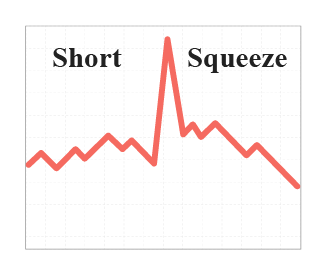
Fig 1: A hypothetical short squeeze (image source)

In securities trading, the term “short-squeeze” is interpreted in a slightly different context. It refers to a scenario in which:
- There is an increase in the price of an asset, and
- Short sellers are covering their positions, either out of fear of a further surge in prices, or due getting margin calls
A short squeeze is an important concept to understand for all traders. Let’s explore it further.
What is Short Selling in Trading?
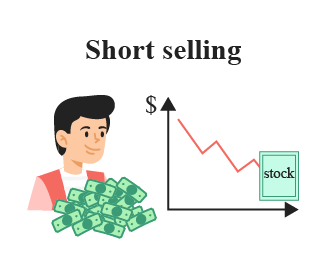
Fig 2: All about short selling (image source)
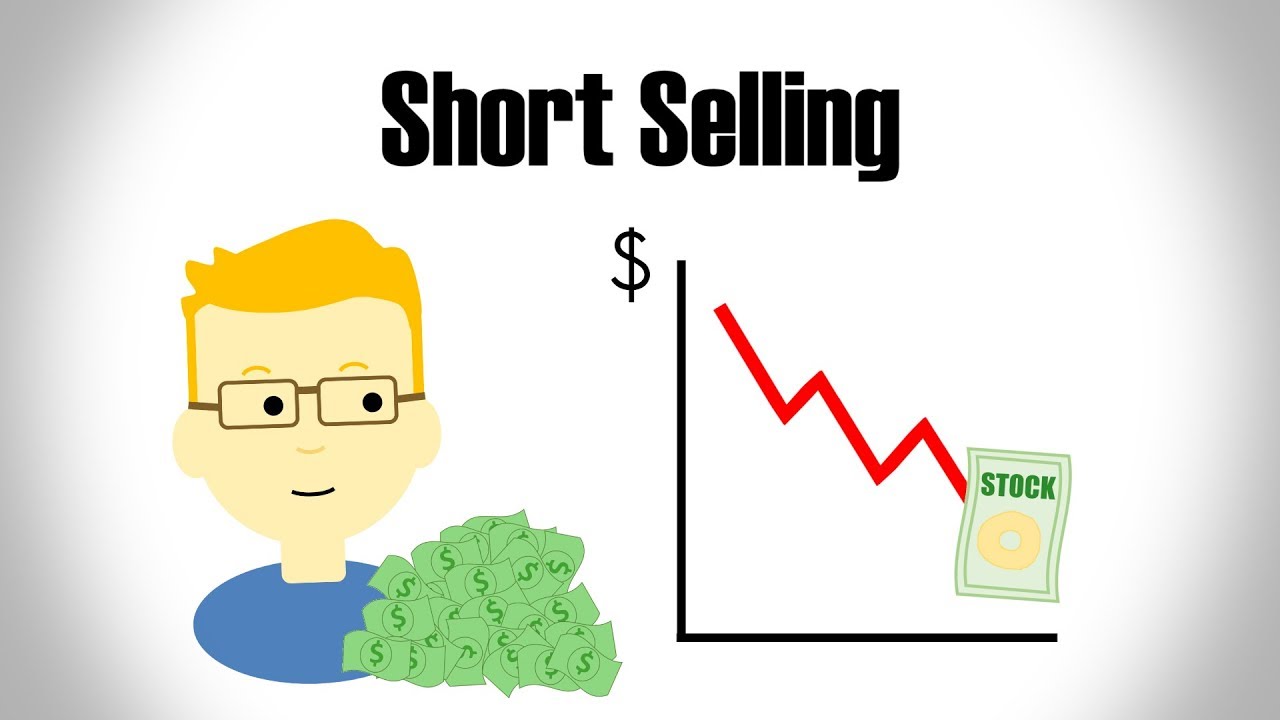
To understand short squeezes, it is first necessary to understand the concept of short welling.
What Is Short Selling?
Short selling allows traders to speculate on falling prices.
Instead of purchasing a stock first, the trader borrows shares through their broker and immediately sells them into the market. If the price later falls, the trader buys the shares back at the lower price, returns them to the lender, and keeps the difference (minus borrowing costs and commissions).
If prices rise instead, the trader must still repurchase those shares. Because stock prices have no theoretical upper limit, potential losses on a short position are significantly larger than on a standard long investment.
Short selling is commonly used by:
- speculative traders expecting price declines
- portfolio managers hedging existing positions
- market makers managing inventory
- quantitative trading strategies
Understanding short selling is essential because every short position represents future buying pressure that may eventually enter the market.
Why Traders Short Stocks
Although many investors associate short selling with betting against companies, traders short stocks for several different reasons.
Common motivations include:
- profiting from expected price declines
- hedging long portfolios
- exploiting valuation differences
- managing market-neutral strategies
- reducing sector exposure
Professional traders often short stocks as part of broader portfolio management rather than as outright bearish bets.
How Does Short Selling Work?
Usually, short selling starts with the assumption that the price of the security are set to fall. However, this is not always so, as in the case of hedgers. Sometimes, just the risk that prices could fall is enough for a short seller.
To execute a short selling operation, a trader will:
- Sell the particular security the current prices in the event of a market order, or at lower prices with a stop order / higher prices with a limit order. Sometimes various order types are used as confirmation or risk management strategies, which you can read more about here.
- If prices decrease, the short seller will be sitting on a paper profit.
- If prices reach their target price or some other parameter for exiting, the short seller will cover their position by buying back the security sold.
To recap, short sellers make a profit when the price at which they buy back is lower than the price at which they sold.
Why Short Sell?
Instead of investing and holding a stock for long periods based on the company’s fundamentals, short selling is usually done the intent to either speculate and hedge.
Speculators usually short sell in an attempt to profit from a potential downward movement in the stock, whereas hedgers do so to mitigate price risk.
Short Sell Example
- The stock price of ABC Manufacturing Corporation Inc. is trading in the market at a middle price of $10 per share.
- Whether based on some form of fundamental, technical, or order flow analysis, some traders see the risk that prices of the stock could go south.
- In a bid to cash in the expected price movement, such a trader decides to short sell 250 shares @ $10 per share.
- Over the course of the trading day, the price does indeed fall, and the short seller covers their position at $6 per share by buying back 250 shares from the open market.
In this hypothetical scenario, the short seller bags a net profit of $1,000 (250 shares x $10-$6).
What Triggers a Short Squeeze?
Not every heavily shorted stock experiences a squeeze. Several ingredients often combine to create the conditions for one.
Common catalysts include:
- unexpectedly positive earnings
- favorable regulatory announcements
- takeover rumors
- improving macroeconomic conditions
- sudden increases in buying volume
- limited available shares for borrowing
As prices rise, buy-stop orders begin triggering while brokers issue margin calls to losing short sellers. Each forced purchase creates additional buying pressure, which can push prices even higher.
The combination of aggressive buying, limited available liquidity, and forced short covering often explains why short squeezes develop so rapidly.
How to Identify High Short Interest Stocks
Many traders monitor heavily shorted stocks because they have greater squeeze potential if positive catalysts emerge.
Several publicly available metrics help evaluate positioning:
Short Interest
Shows the percentage of a company’s outstanding shares currently sold short.
Higher short interest generally means more potential future buying if traders begin covering positions.
Days to Cover
Days to Cover estimates how many trading days would be required for all short sellers to exit their positions based on average daily trading volume.
Higher values typically indicate that exiting positions could become more difficult during rapid rallies.
Borrow Availability
If shares become difficult or expensive to borrow, maintaining short positions becomes more costly, increasing pressure on bearish traders.
None of these indicators guarantee a short squeeze, but together they provide useful context for evaluating positioning risk.
What is a Squeeze in Trading?
So far in this article, we’ve been exploring scenarios where short selling results in a profit. However, predicting price movements is a game of probabilities, and sometimes short sellers can find themselves facing constantly rising prices. When this happens to a large collective of market participants (or a few participants with larger positions), this can lead to a short squeeze.
A short squeeze occurs when:
- Prices begin to increase, often rapidly.
- The short sellers, in a rush to cover their positions before prices rise further, begin buying back their positions
- This surge in demand, alongside the already large buying activity, leads to a mass of aggressive buying with an imbalance that the sell-side liquidity can’t match, ultimately resulting in a sharp and rapid price increase.
Sometimes, after the short squeeze event takes places, market prices normalise, and can be followed by a sharp fall in price, usually back to the price range from where the move started.
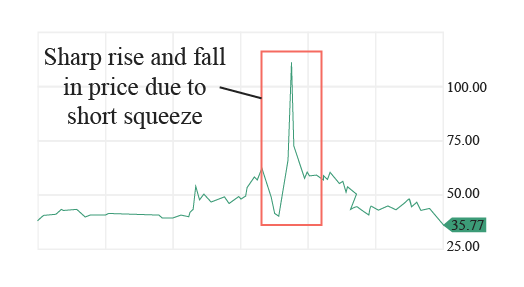
Fig 3: The kind of brief rise and fall short squeezes sometimes look like (image source).
Types of Squeezes
Financial markets experience several different types of squeezes, each driven by positioning rather than fundamentals alone.
| Type | Description |
| Short Squeeze | Rising prices force short sellers to buy shares back, accelerating the rally. |
| Bear Squeeze | Longer-term bearish traders gradually abandon positions as an uptrend continues. |
| Long Squeeze | Falling prices force long traders to liquidate positions, accelerating declines. |
Understanding which participants are being forced out of positions often explains unusually fast price movements.
Historical Short Squeeze Examples
Several famous market events demonstrate how powerful short squeezes can become.
Examples include:
- GameStop (2021) — perhaps the most widely discussed retail-driven short squeeze, where heavy buying combined with high short interest produced extraordinary volatility.
- Volkswagen (2008) — one of the largest short squeezes in history after limited share availability forced institutional short sellers to aggressively cover positions.
- Tesla (multiple years) — persistent upward trends repeatedly forced bearish traders to exit losing positions, contributing to sustained rallies.
Although every event developed differently, they all shared common characteristics:
- elevated short positioning
- limited liquidity
- aggressive buying pressure
- forced short covering
How Bookmap Helps Identify Short Squeezes
While no software can predict when a short squeeze will occur, order flow analysis can help traders observe many of the conditions that often accompany one.
Bookmap allows traders to monitor:
- rapid increases in aggressive buying
- liquidity being pulled from the offer
- stop runs
- absorption
- cumulative volume delta
- iceberg orders
- evolving order book liquidity
Rather than relying solely on price movement, traders can observe how buyers and sellers interact in real time as squeeze conditions develop.
Risks of Trading Short Squeezes
Short squeezes often create exceptional volatility, but they also involve substantial risk.
Common risks include:
- sudden reversals after buying pressure fades
- poor liquidity
- widened bid-ask spreads
- large price gaps
- emotional decision making
- excessive leverage
Because squeezes can reverse just as quickly as they begin, traders should define risk parameters before entering positions rather than reacting emotionally during extreme price moves.
Conclusion
Understanding the mechanics behind short squeezes helps traders interpret unusual price behavior instead of simply reacting to headlines.
Whether you’re trading momentum, monitoring heavily shorted stocks, or simply trying to understand market structure, recognizing how liquidity, positioning, and forced buying interact provides valuable context during periods of extreme volatility.
Tools such as Bookmap help traders observe these dynamics in real time by visualizing liquidity changes, aggressive buying, stop runs, and order flow, allowing decisions to be based on market behavior rather than speculation alone.
FAQ
What is a short squeeze?
A short squeeze occurs when rising prices force short sellers to buy back borrowed shares, creating additional buying pressure that can accelerate an upward move.
What causes a short squeeze?
Short squeezes are commonly triggered by unexpectedly positive news, rising buying pressure, limited available liquidity, and forced short covering following margin calls or stop-loss orders.
How do traders identify heavily shorted stocks?
Many traders monitor short interest, days-to-cover ratios, borrow availability, and unusual trading volume to evaluate whether a stock has squeeze potential.
Can order flow help identify a developing short squeeze?
Order flow cannot predict future squeezes, but it can reveal liquidity changes, aggressive buying, stop runs, and other market behaviors that frequently accompany squeeze conditions.
Are you researching the technical mechanics of how short liquidations happen or looking for a list of heavily shorted assets?
This guide focuses on the mechanics behind short squeezes. Traders looking for current heavily shorted stocks should use up-to-date market data since short interest changes regularly.
Do you want to look at historic occurrences like GameStop or analyze current setups happening right now?
Historical squeezes help explain how these events develop, while current opportunities require live market data and real-time order flow analysis.
Are you looking to implement a momentum trading strategy or studying market risk management protocols?
Short squeezes are relevant to both. Momentum traders may look for continuation opportunities, while risk-focused traders use squeeze mechanics to better manage short exposure.
Did you want to understand the role options delta hedging plays in accelerating a move or strictly share borrow constraints?
Both factors can contribute. Share borrow constraints reduce available supply, while options market hedging can amplify buying pressure during rapidly rising markets.
Is your focus on analyzing retail coordinated buying trends or institutional hedge fund positioning metrics?
Both retail participation and institutional positioning can contribute to squeeze dynamics. Understanding liquidity and positioning provides more insight than focusing on either group in isolation.
Sign Up Now
Latest Articles