
See trading more clearly in real time.
Compare plans to access deeper market visibility for trading.
Education
January 14, 2026
SHARE
Why Trading Tools Aren’t Enough: Edge Comes From Understanding the Market
A person does not know how to drive. Would you give them a Formula 1 car and expect them to win a race immediately? – The answer is a big NO!
Okay, let’s make some changes to this situation.
A person does not know how to trade. Would you give them an advanced trading tool (say Bookmap) and expect them to win? – Is the answer, again, a big NO?
But that’s precisely what many traders do! They jump into the markets armed only with tools. They buy sophisticated platforms and load colorful heatmaps. But they never try to understand what’s happening behind the price! As a result, those tools become mere noise and not insight.
Realize that trading success doesn’t come from gadgets or indicators. Instead, it comes from knowing the market environment and structure. Also, you must recognize who’s in control and remain disciplined.
Read this article to learn how to build that foundation. Also, you’ll understand how and when to use Bookmap for maximum gains.
Tools Can Help, but Only When You Understand the Game
Advanced trading tools like Bookmap and other order flow platforms can show you what’s happening behind the price chart, such as:
- Who’s buying
- Who’s selling
- Where liquidity sits
The major advantage? This knowledge gives you valuable insight into the trading environment + market structure.
But Mere Visualization Does Not Give You a Trading Edge!
So, you must think visuals obtained from Bookmap can automatically give you a trading edge! Nope! Nothing is automatic! A heatmap will never tell you where the market will go next. Instead, it simply displays traders’ intent + liquidity behavior.
If you don’t know how different market participants (such as institutions, market makers, or retail traders) behave, the same data can easily confuse you!
Thus, realize that trading tools alone aren’t enough. They can enhance your decision-making only when you already understand how the market works. Building knowledge first is what helps you become a better trader!
What Every Trader Needs Before Using Any Tool
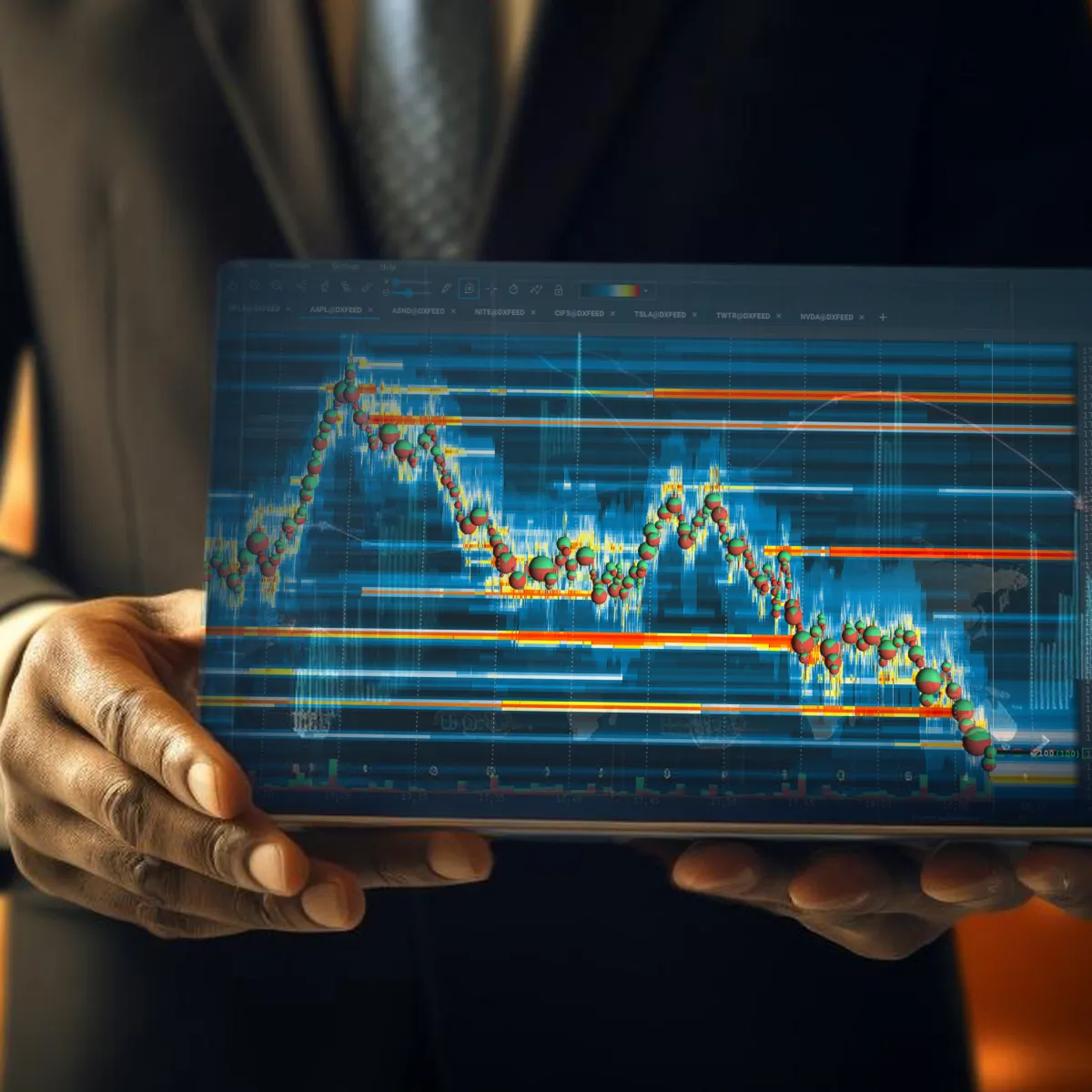
Want to know some of the biggest mistakes made by the newest traders?
- They directly start using fancy indicators or platforms.
- They never try to build a clear foundation first.
- They never truly understand how the market works.
The impact? They can never read price action correctly and make common day trading mistakes, such as using a setup that doesn’t fit current conditions. To avoid this, below is some knowledge every trader must have before using any tool:
1. Understand Market Environment
Before placing a trade, ask yourself – Is the market trending, moving in a range, or reacting to news? The answer significantly improves your trading approach.
Additionally, note the time context. Ask yourself – Is it the quiet pre-market phase, a mid-day slowdown, or a volatile market open?
Get more clarity via the flowchart below:
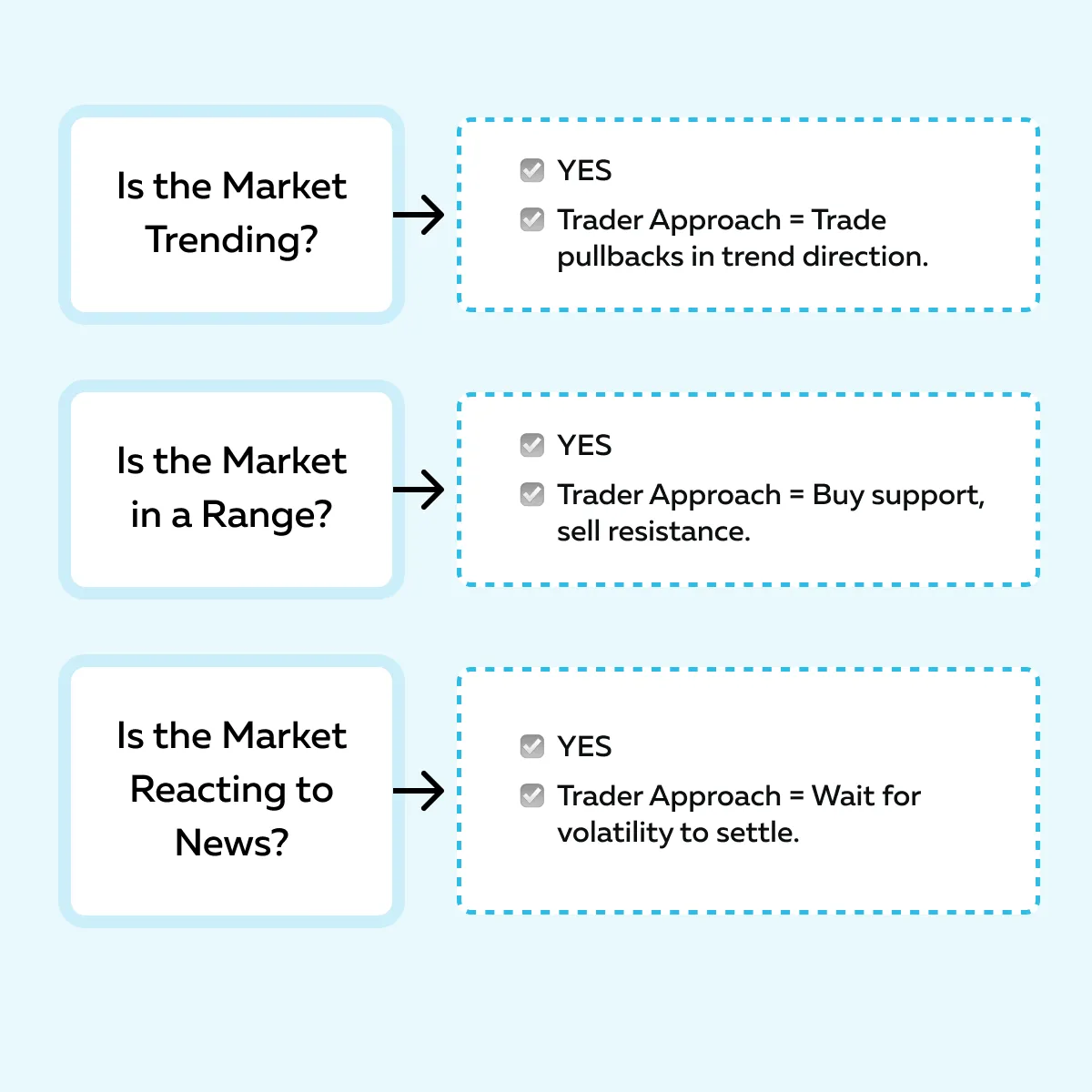
Remember that if you ignore these conditions, your trade setups may not align with real market behaviour. This will reduce your trading edge!
2. Know the Players Involved
The market isn’t just a chart; it’s a living system influenced by people and algorithms. Every move you see on the screen is the result of interactions between:
- Liquidity providers (those placing limit orders)
and
- Liquidity takers (those hitting the market orders)
To become a better trader, you must understand how institutions, retail traders, and trading algorithms behave in different conditions. For example,
-
- Let’s say there is a large passive order on a heatmap.
- Now, it might look like strong support.
- However, sometimes it’s a trap to lure aggressive buyers.
Your true trading edge comes when you start recognizing these dynamics. Use Bookmap to support your edge — not replace it.
3. Learn Market Structure and Auction Theory
Markets operate like ongoing auctions! Prices always move to find where buyers and sellers agree. This movement now forms “value areas” and “balance zones”. Let’s see what they are:
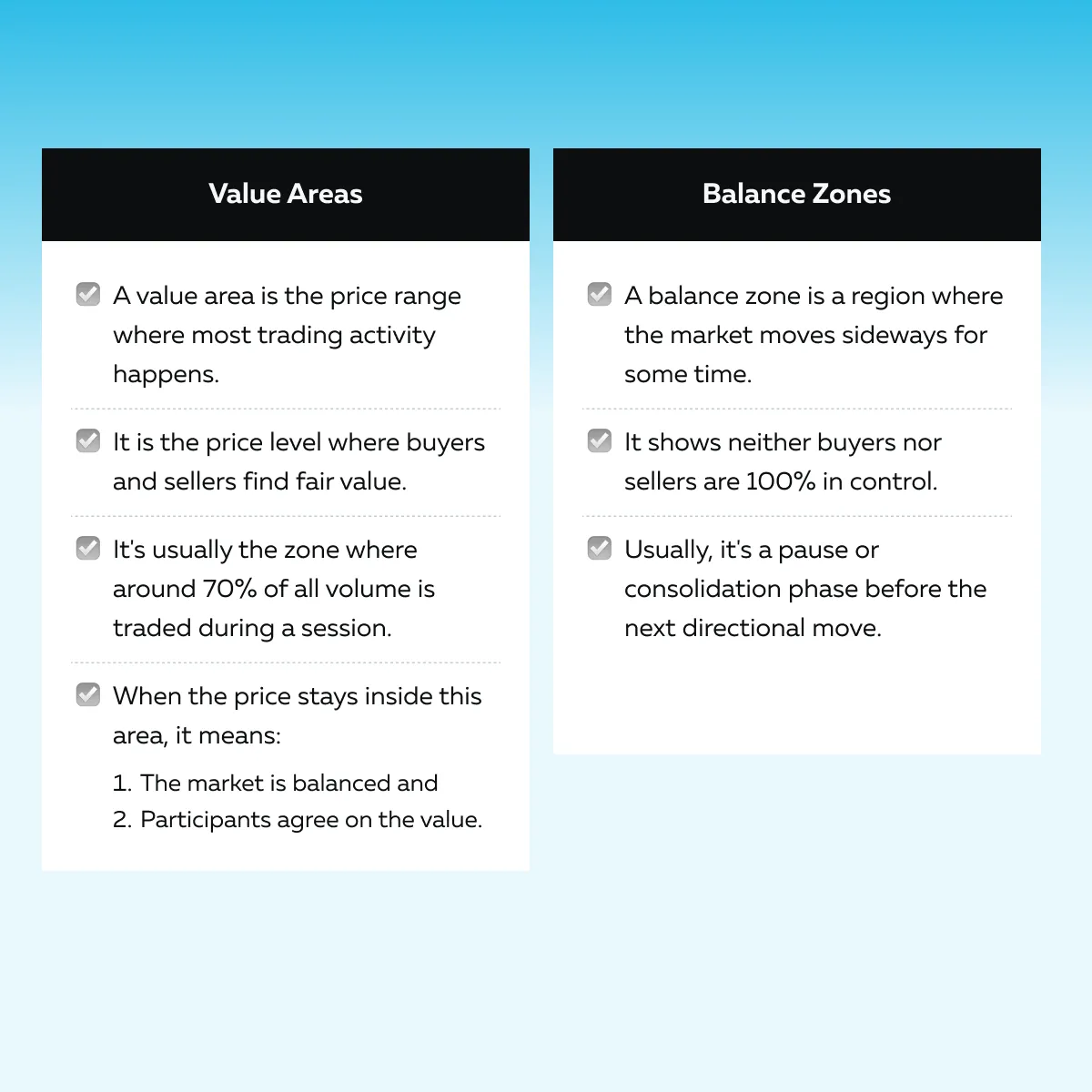
Additionally, when price breaks out and fails, it tells you about buyer intent and available liquidity again. As a trader, you must try to understand this market structure as it lets you read price action more clearly and avoid day trading mistakes beginners make.
4. Backtest and Validate Your Strategy
Before trading live, test your ideas on past market data. This approach is called backtesting. The advantage? You can see if your strategy truly has a strong trading edge that:
- Appears consistently across many trades (not just by luck).
- Is visible repeatedly over hundreds of samples
- It gives you the confidence to stick to your plan.
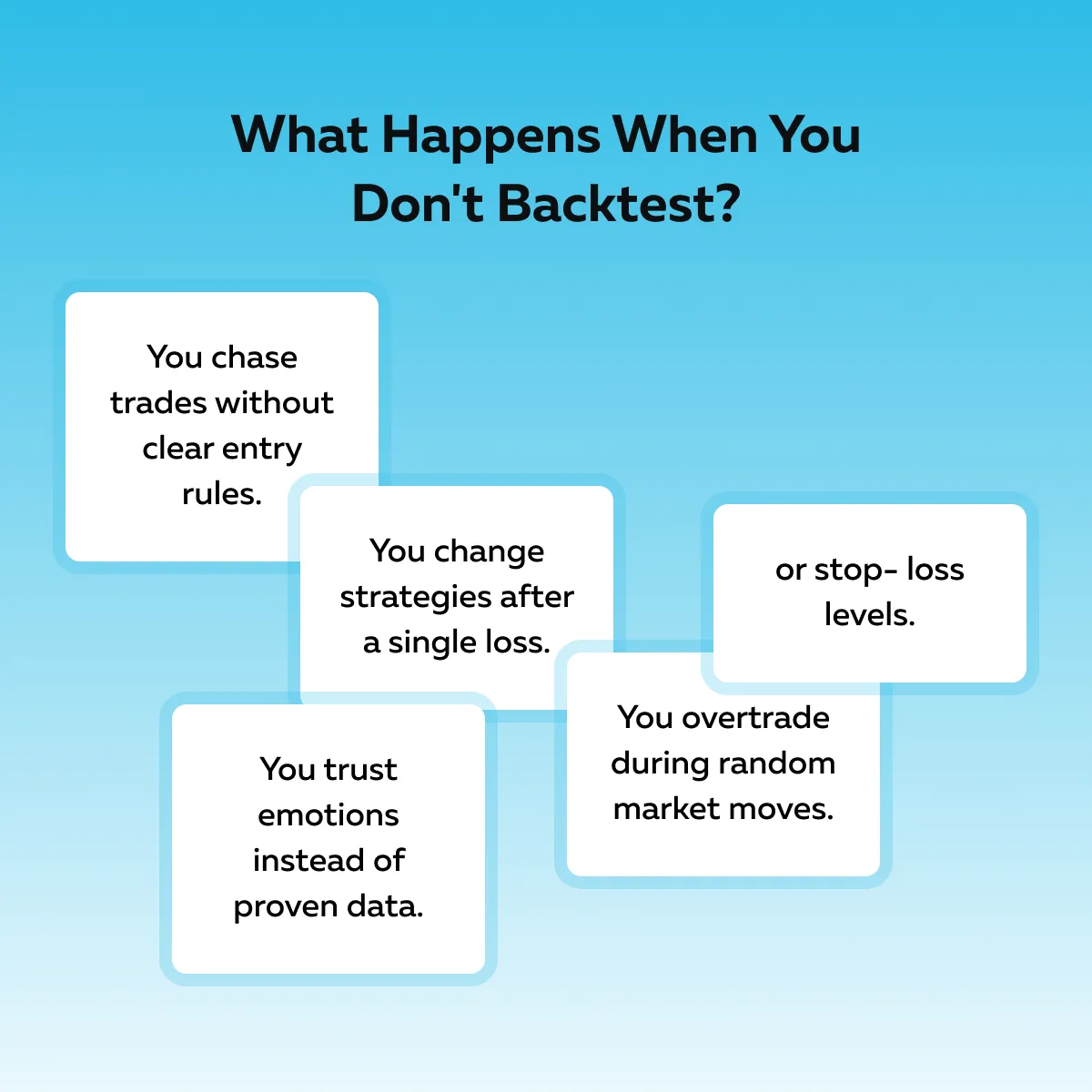
Without proper testing, you will react emotionally to every price move. This is one of the biggest day trading mistakes beginners make. They rely on gut feeling instead of data.
Once you understand structure, liquidity, and intent, Bookmap shows you the rest.
Where Tools Like Bookmap Fit In
Remember, trading tools alone aren’t enough! You can spot setups faster using them, but only after you’ve clearly defined what you’re looking for. Ideally, your goal should be to combine the following:
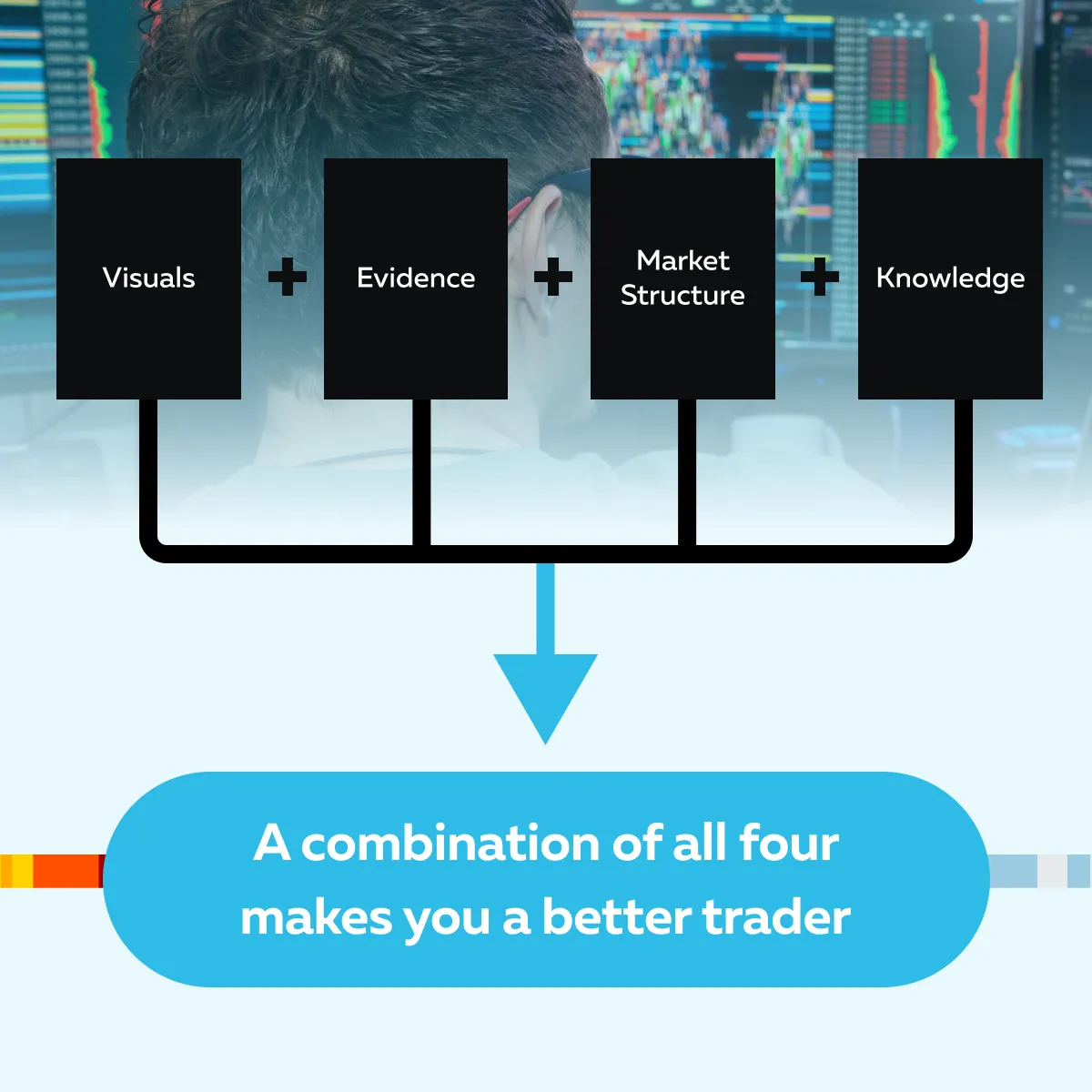
Particularly, once you understand the market environment + structure, tools like Bookmap become truly valuable! Using Bookmap, you can get a real-time view of how liquidity behaves. It shows you:
- Where large passive orders sit,
- When volume spikes, and
- Who’s in control (buyers or sellers)?
For example, suppose you expect the market to bounce from a certain level. Now, with Bookmap, you can check if:
- Absorption is happening (buyers absorbing sellers),
or
- Large orders are being pulled away.
Both tell you whether your idea is being supported or not.
But Remember, Tools like Bookmap Don’t Tell You What To Do.
Bookmap can confirm or reject the plan you’ve already made. When used with a solid strategy, it can significantly enhance your trading edge. Let’s see how:
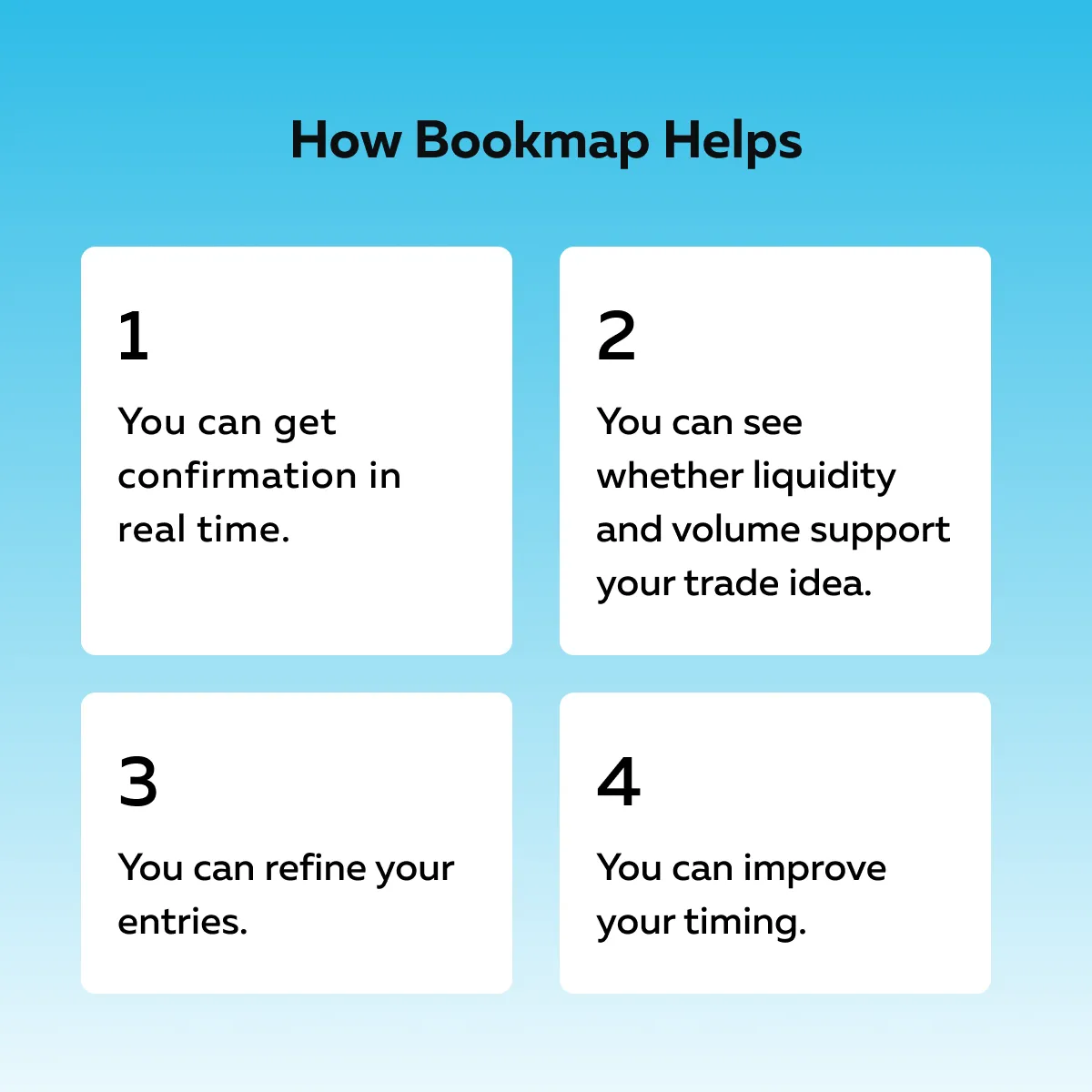
All this allows you to become a better trader through informed decisions and not guesses!
What Happens Without a Foundation?
Many new traders fall into the trap of relying only on visuals. They chase colors or signals on a chart because something “looks good.” Without understanding market structure or the trading environment, they don’t know who they’re trading against:
- Institutions,
- Algorithms, and
- Other retail traders.
As a result, they end up getting caught in random price swings.
In such cases, even the best trading tools can lead to losses. Why? Because you are using them without context. A tool like Bookmap can show incredible data, but if you don’t understand what phase the market is in, that data becomes misleading.
Think of it like driving an F1 car! In the hands of a professional, it’s powerful. But for someone untrained, it’s dangerous. The same goes for trading. Without a solid foundation, Bookmap can’t let you build a trading edge or become a better trader.
Build Your Edge, Then Use the Tool to Sharpen It
So, as a tip, start with a single + 100% clear idea! Try to create one repeatable setup and treat everything you do as testing that idea. Now, that’s how you develop a real trading edge. Please note that tools like Bookmap are only for confirmation and refinement (not for invention).
To gain the most from Bookmap, below is a step-by-step guide you can follow:
Step I: Pick One Setup and Define It Precisely
Let’s understand through an example. Assume that your setup is – “Liquidity sweep at prior-day high. Enter on failed sweep if absorption occurs.” Now, write down:
- Exact entry rules,
- Stop-loss location,
- Target,
- Maximum position size.
Clear rules don’t let you make emotional choices.
Step II: Observe The Trading Environment and Market Structure
Before trading, identify the context. Try to identify the following:
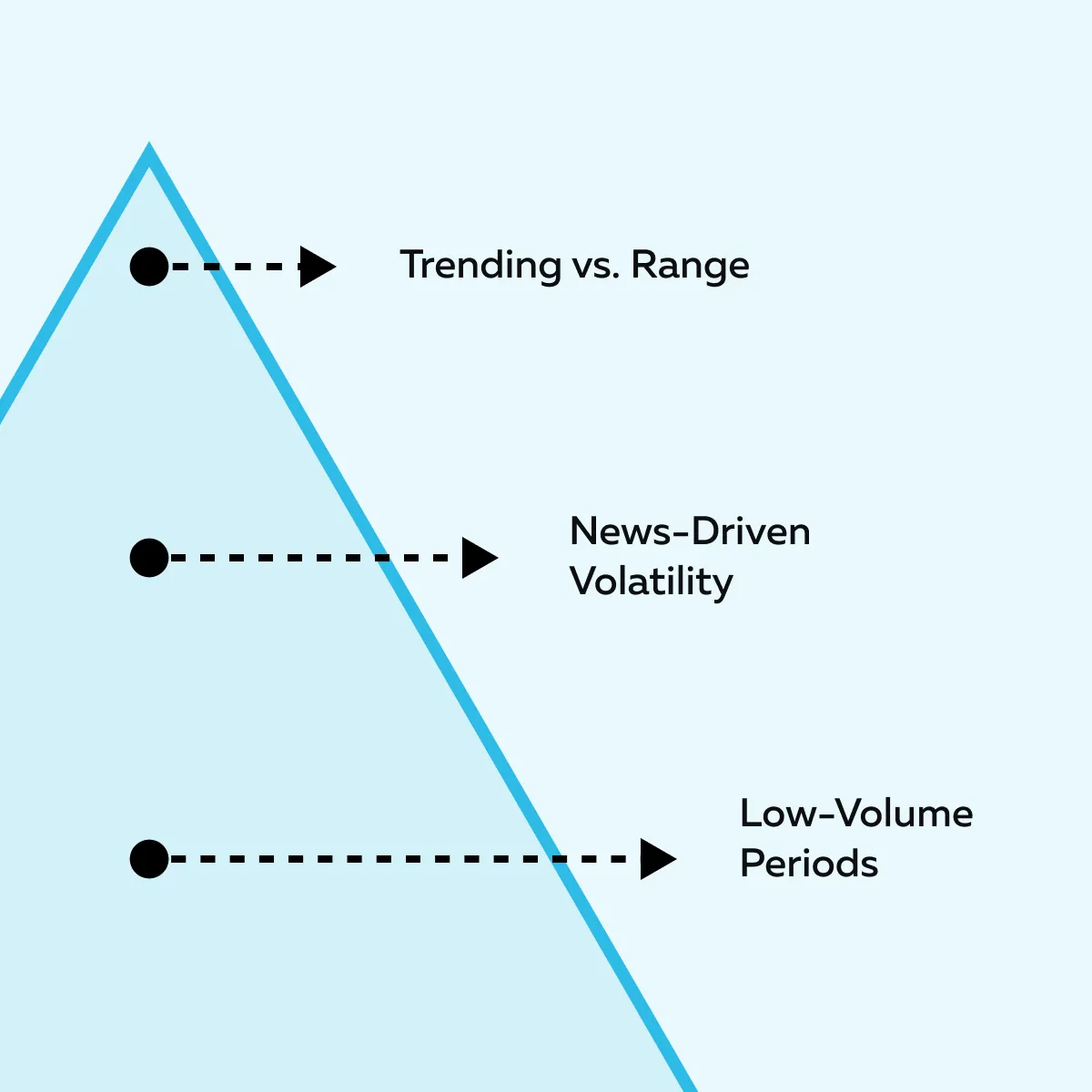
Additionally, study how the price has behaved around the prior-day high. Find the answer to this question: Is it a tested value area or an untested extreme? This knowledge ensures that your setup is being used in the right conditions.
Step III: Form A Hypothesis – What Should the Market Do?
A hypothesis turns an intuition into a testable idea. Check out this example hypothesis (assumed) –
“If a liquidity sweep occurs and Bookmap shows large limit orders absorbing aggressive sells, the price will bounce to target X.”
By making a hypothesis, you can give clarity to your trading approach.
Step IV: Backtest and Paper-Trade The Setup
Run the setup over historical data and in a demo account. You want the edge to show up repeatedly (not just once). Track at least hundreds of samples if possible. This reduces the chance you’re capitalizing on randomness.
Step V: Use Bookmap for Confirmation
Once the context and hypothesis are set, use Bookmap to confirm real-time behaviour. Look for the following on Bookmap –
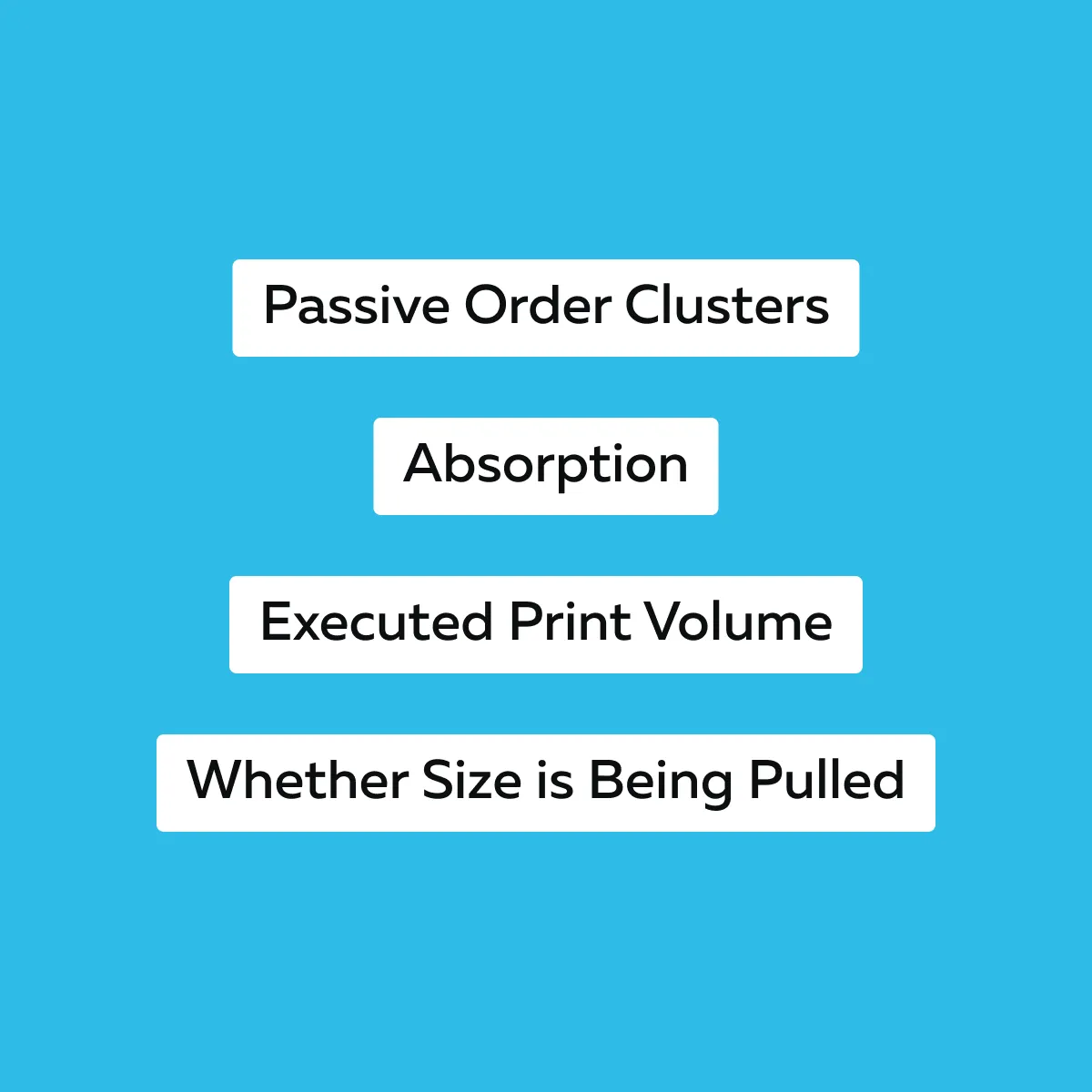
If Bookmap confirms your thesis, the probability of the trade will increase. If not, skip it!
Step VI: Track Outcomes and Metrics
Keep a trade journal with:
- Date/time,
- Setup,
- Entry/exit, and
- Results.
Also, put a short note about what Bookmap showed. Additionally, you can even calculate:
- Win rate,
- Average reward-to-risk,
- Expectancy, and
- Max drawdown.
These objective metrics tell you whether your edge actually exists!
Conclusion
So now you know that Bookmap gives traders unmatched transparency into market activity. Using it, you can see real-time liquidity, volume, and order flow (like no traditional chart can). But remember, the tool itself isn’t the edge!
If you don’t understand the market’s context, participants, and structure, even the most advanced platform won’t help you. And due to a lack of this required knowledge, you will make day trading mistakes that most beginners make.
However, when you build that foundation and truly grasp the trading environment and market structure, Bookmap becomes a powerful ally. It can confirm your thesis and help you trade with confidence instead of guesswork.
So, are you ready to see the market differently? Compare Bookmap packages and see how the right tools fit the right strategy.
FAQs
1. Can tools like Bookmap help me become profitable?
Yes, but only if you understand the market structure and have a clear trading plan. Using Bookmap, you can see what’s happening behind price movement. However, it can’t improve a poor strategy or emotional trading.
Remember, Bookmap works best when you already have an edge!
2. What’s the best way to start using tools effectively?
Start small and choose one trading setup that fits your style. Then, backtest it on past data. Once you see consistent results, use Bookmap to watch how that setup behaves in real time. This lets you confirm what you’ve learned in theory.
Through repeated use of Bookmap, you can slowly build confidence and avoid taking unnecessary risks.
3. Why do traders still lose money even with good tools?
Always remember that tools alone can’t replace:
- Knowledge,
- Discipline,
- Your understanding of the market context.
Many new traders jump into setups with minimal knowledge of market conditions. Also, they ignore risk management and trade emotionally. In such cases, even the best trading tools like Bookmap can’t make up for a weak plan!
Sign Up Now