


Quick Summary: Live Dow Futures Streaming & Market Depth
“Live” Dow futures data comes in more than one form, and the difference matters more than most beginner guides suggest. A free ticker on a financial media site is usually a real-time or near-real-time last price — useful for a quick directional read, but showing you nothing about the order book behind it. A professional data feed with full market depth shows the actual resting liquidity at every price level, which is what’s required to see genuine order flow rather than just where the price last traded. This guide covers both: where to find free live price tracking, and what a real market-depth feed adds that a simple ticker can’t.
E-mini Dow Jones Futures (YM): Live Tick Chart & Real-Time Pricing
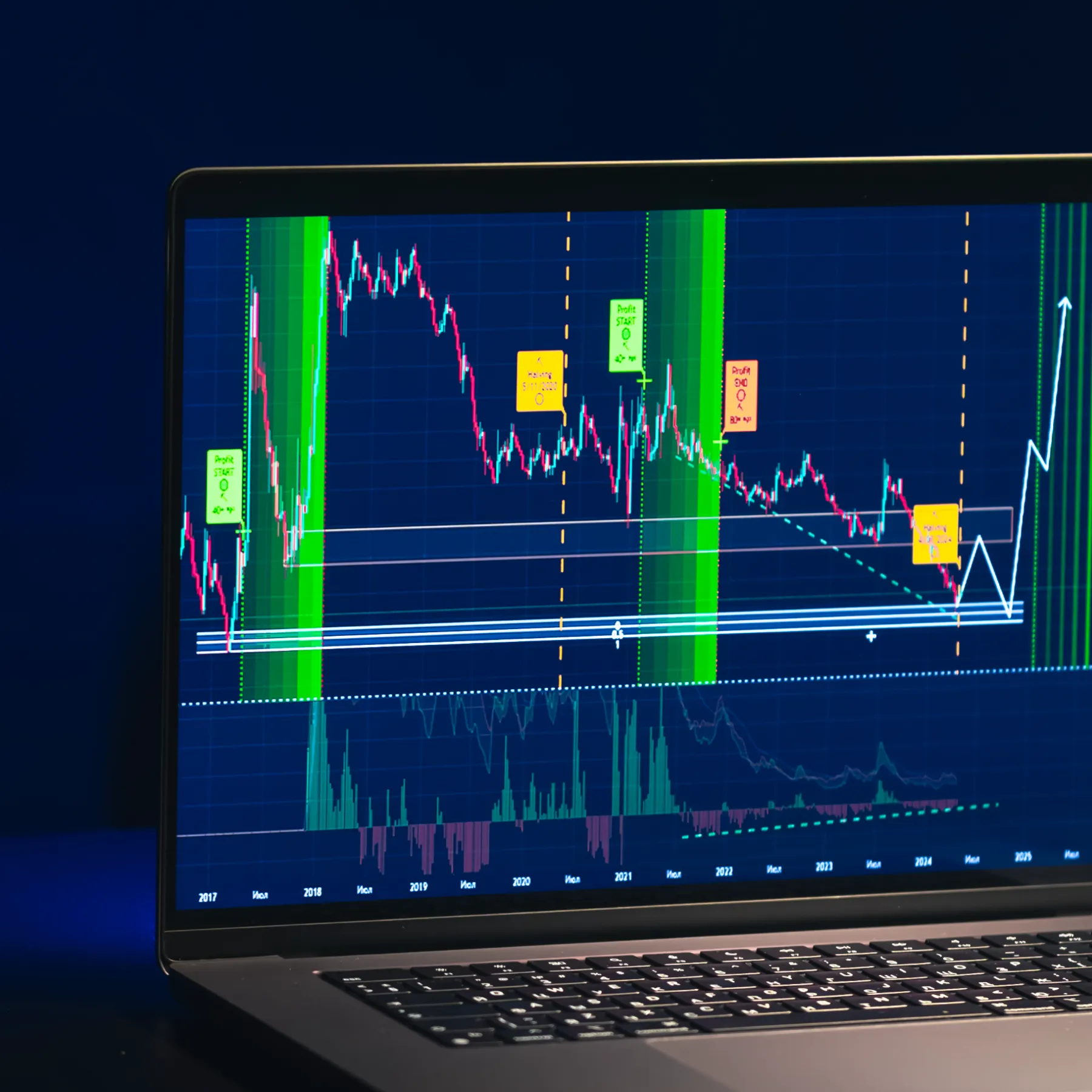
The E-mini Dow Jones futures contract (ticker: YM) trades on CBOT, under CME Group, routed through the CME Globex electronic platform. It tracks the Dow Jones Industrial Average, is cash-settled, and moves in 1-point increments — each point worth $5 per contract, which makes YM’s tick math simpler than most other index futures (no fractional tick conversion required). YM trades nearly 24 hours a day, five and a half days a week, and expires on the standard quarterly cycle (March, June, September, December).
A live tick chart for YM shows every executed trade as it happens, which is meaningfully different from a delayed or snapshot quote — it’s the difference between watching price form in real time and watching a periodically refreshed number.
CNBC & Bloomberg Live Stream: Pre-Market Business News Feeds
Financial news networks like CNBC and Bloomberg run continuous premarket coverage with live Dow futures tickers integrated into their broadcast and web streams. These are a reasonable way to get a fast directional read alongside real-time news context — an earnings surprise or economic release gets narrated alongside the futures reaction, which a bare price feed doesn’t provide.
The tradeoff is depth: broadcast tickers show last price and basic direction, not the order book. They’re built for context and narrative, not for the kind of granular order flow analysis a trader executing around a specific price level would need.
Dow Jones Futures Fair Value Calculation & Premarket Gap Pricing
Fair value is the theoretical price relationship between a futures contract and its underlying cash index, based on the cost of carrying that position (interest rates) minus expected dividends over the contract’s remaining life. The gap between where YM is actually trading and its calculated fair value — not the futures price in isolation — is what determines the “implied open” quoted by financial media ahead of the cash market.
This is a common point of confusion for newer traders watching a live futures stream: a rising YM price doesn’t automatically mean a bullish open if fair value has also shifted. The gap between the two is the actual signal.
CME Globex Live Futures Data Feed: 15-Minute Delay vs. Real-Time
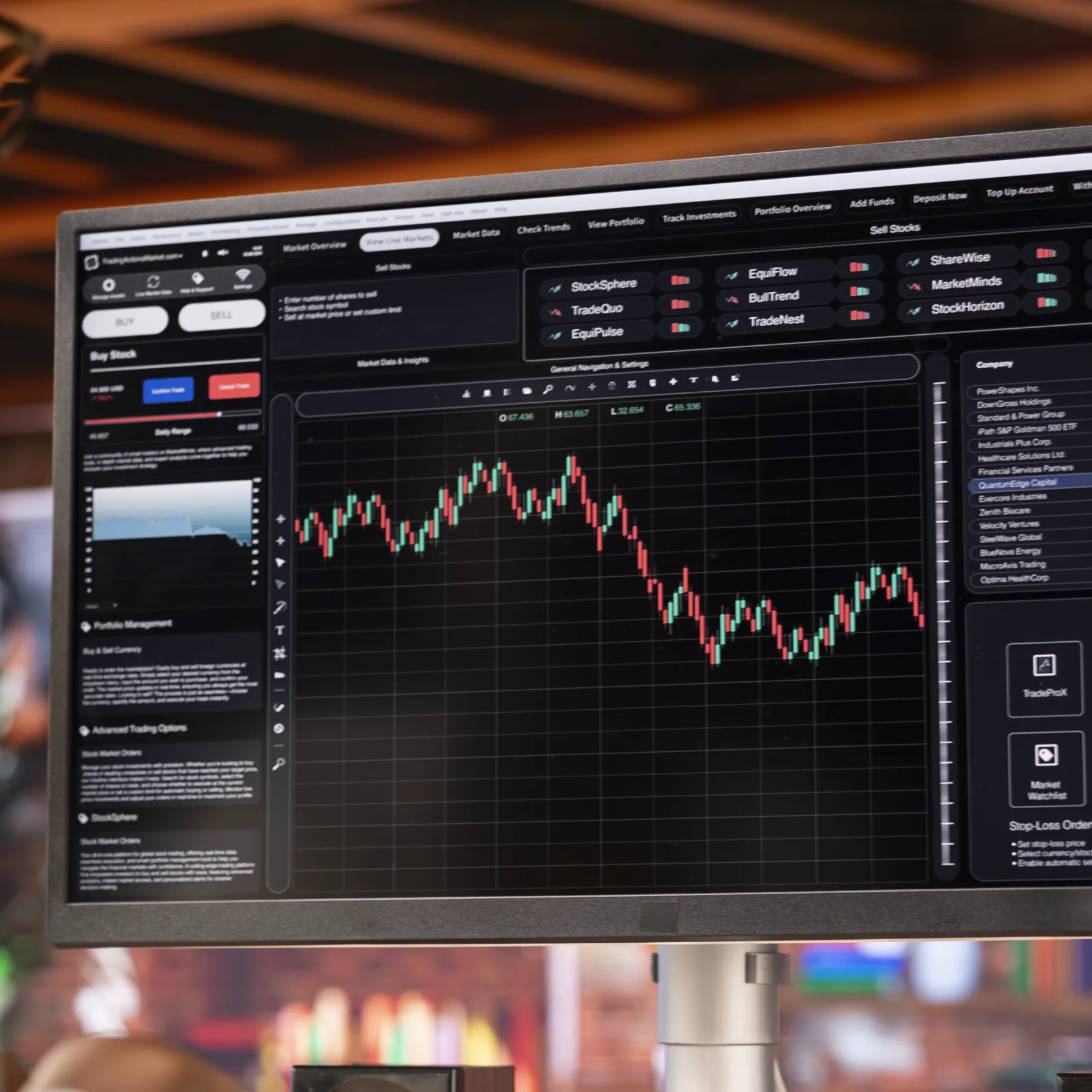
Exchange data comes with licensing tiers, and this is the single most important distinction for anyone comparing “live” futures sources. Many free platforms and financial media sites display delayed quotes — commonly 10 to 15 minutes behind the live market — because real-time exchange data requires either a paid market data subscription or a data-sharing agreement between the exchange and the platform.
A genuinely real-time feed, by contrast, typically requires one of: a funded brokerage account with a real-time data subscription included, a direct market data package from CME Group or a licensed vendor, or a trading platform (like Bookmap) connected to a real-time-capable data feed. Before treating any “live” stream as a basis for active trading decisions, it’s worth confirming explicitly whether it’s real-time or delayed — the difference isn’t cosmetic once price is moving quickly.
CME Dow Futures Sunday Trading Hours & Live Stream Globex Schedule
YM and MYM trade on CME Globex nearly 24 hours a day, five and a half days a week — opening at 5:00 p.m. CT on Sunday and running through 4:00 p.m. CT on Friday, with a short daily maintenance break (typically around 4:00–5:00 p.m. CT). This means a live Dow futures stream is technically available Sunday evening, well before the regular Monday session, though liquidity during the Sunday-evening open is typically thinner than during standard US trading hours.
Holiday schedules shift this calendar periodically — check CME Group’s current holiday trading calendar directly rather than assuming standard hours apply around a holiday.
Why Choose Bookmap for Live Dow Futures Order Flow
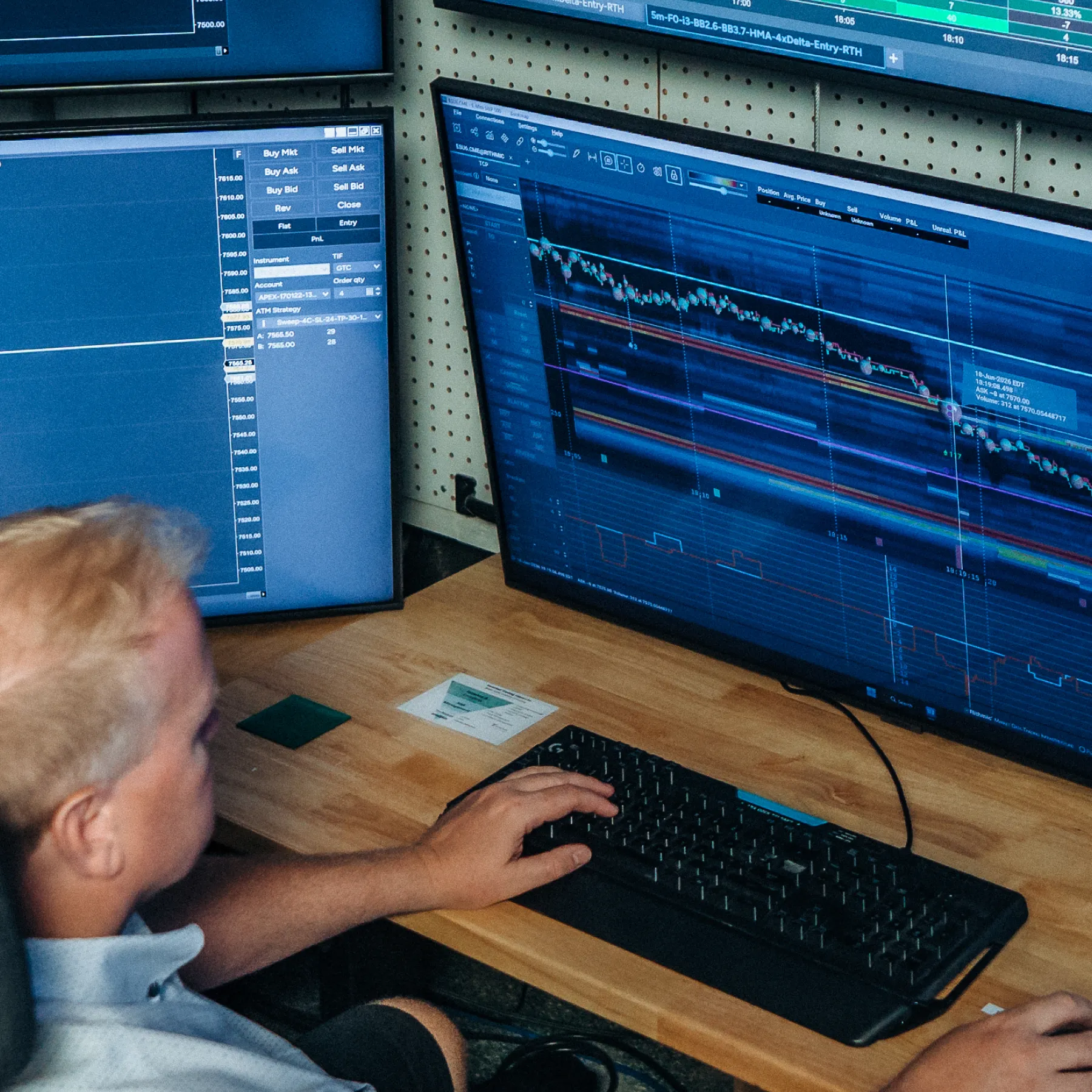
Every source described above — news tickers, charting platforms, YouTube streams, mobile alerts — shows some version of price. None of them, on their own, show the order flow producing that price: how much liquidity is actually resting at each level, whether a move is being absorbed or run through, or where large orders are building before they show up in the headline number.
Bookmap visualizes that order flow directly — the heatmap, volume-based signals, and depth-of-market view that show what’s actually happening in the book, on YM and MYM alongside every other supported instrument. See Bookmap’s guide to technical analysis vs. order flow for how this differs from traditional charting, the order flow strategies resources for the specific tools involved, and the day trading futures guide for how this applies once the regular session begins.
Platform Accessibility & Global Exchange Data Connections
Bookmap connects to a range of brokers, exchanges, and market data providers across futures, stocks, and crypto — including the data feeds (such as Rithmic) commonly used for CME futures like YM and MYM. Confirming compatibility with a specific broker or data feed before relying on it for live order flow analysis is worth doing directly, since depth-of-market access and latency vary by provider.
Bookmap Pricing & Software Subscription Tiers
Bookmap offers tiered subscription packages depending on the depth of order flow data required — from a free entry tier up to Global and Global+ plans that unlock full market-by-order data and advanced liquidity tools. Compare current plans and pricing directly, since packages and features are updated periodically.
5 Strategic Steps for Trading Live Dow Futures Volatility
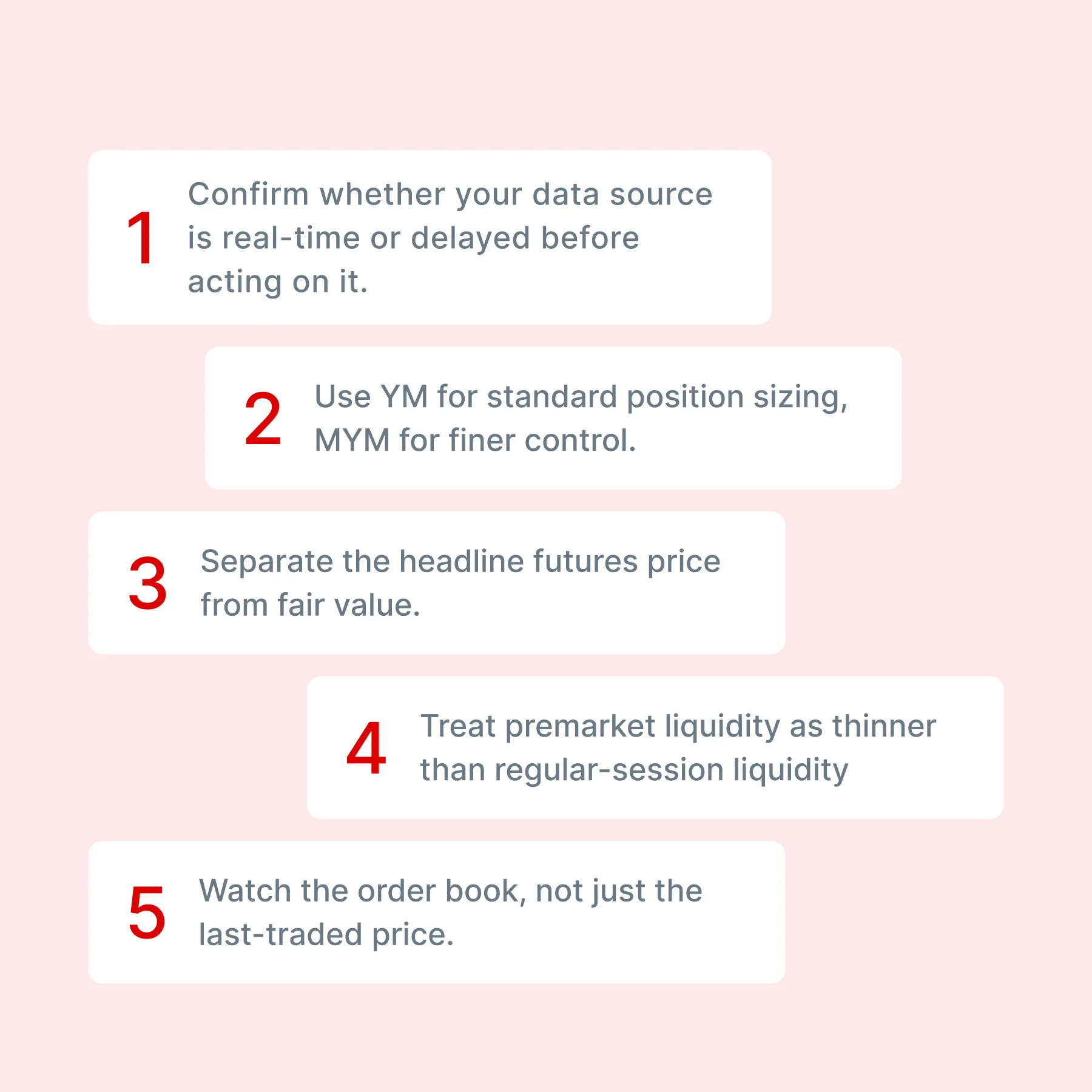
- Confirm whether your data source is real-time or delayed before acting on it. A 15-minute-old price during a fast premarket move can lead to a materially wrong read.
- Use YM for standard position sizing, MYM for finer control. The same underlying index, but a 10x difference in dollar risk per tick changes what’s practical for a given account size.
- Separate the headline futures price from fair value. A rising YM print isn’t automatically bullish for the open if fair value has shifted too — the gap between the two is the actual signal.
- Treat premarket liquidity as thinner than regular-session liquidity, particularly during the Sunday evening open and deep overnight hours — wider effective spreads are normal, not a sign something’s wrong.
- Watch the order book, not just the last-traded price. A depth-of-market view showing where size is actually resting tells you more about whether a level will hold than a ticker alone ever will.
Ready to see the order flow behind Dow futures rather than just a headline price? Try Bookmap for free today.
FAQ
What is the difference between YM and MYM Dow futures?
YM is the standard E-mini Dow Jones futures contract, with a $5 multiplier per point. MYM is the Micro E-mini version, 1/10th the size, with a $0.50 multiplier. Both track the same underlying Dow Jones Industrial Average and trade on the same CME Globex schedule — the only difference is the dollar value of each tick.
Is free live Dow futures data real-time or delayed?
It depends on the platform. Many free charting sites and financial media tickers show delayed data, commonly 10 to 15 minutes behind the live market, unless the platform has a specific real-time data agreement or the user has a funded brokerage account with real-time data included. Always confirm this directly before relying on a free feed for active trading decisions.
What time do Dow futures start trading on Sunday?
YM and MYM open at 5:00 p.m. CT on Sunday, as part of CME Globex’s nearly 24-hour trading schedule that runs through 4:00 p.m. CT on Friday. Liquidity at the Sunday evening open is typically thinner than during standard US trading hours.
How do I see the order book for Dow futures, not just the last price?
Order book (depth-of-market) visibility requires a platform connected to a real-time, full-depth data feed — options like Bookmap, typically connected through a data provider like BookmapData and Rithmic. A basic price ticker or delayed chart won’t show this level of detail.
What is Dow futures fair value and why does it matter?
Fair value is the theoretical price relationship between Dow futures and the underlying cash index, based on the cost of carrying that position (interest rates minus expected dividends). The gap between where futures are trading and this calculated fair value — not the futures price alone — determines the implied direction of the market open.
Can I trade Dow futures on my phone?
Yes. Most major futures brokers and charting platforms offer mobile apps with live ticker tracking and configurable push alerts. Confirm whether the mobile app’s data is real-time or delayed, the same way you would on desktop, before relying on it for time-sensitive decisions.