ES (E-mini S&P 500)
Order Flow & Liquidity Behavior
The ES (E-mini S&P 500) is one of the most liquid futures markets in the world.
Its structured sessions and deep participation make it a strong instrument for understanding order flow, absorption, and liquidity-driven moves.
This page outlines how ES typically behaves intraday and shows real Bookmap examples of recurring order flow patterns.

See ES liquidity and order flow in real time.
Compare plans to track absorption and key levels in the S&P futures.
What Makes ES Unique
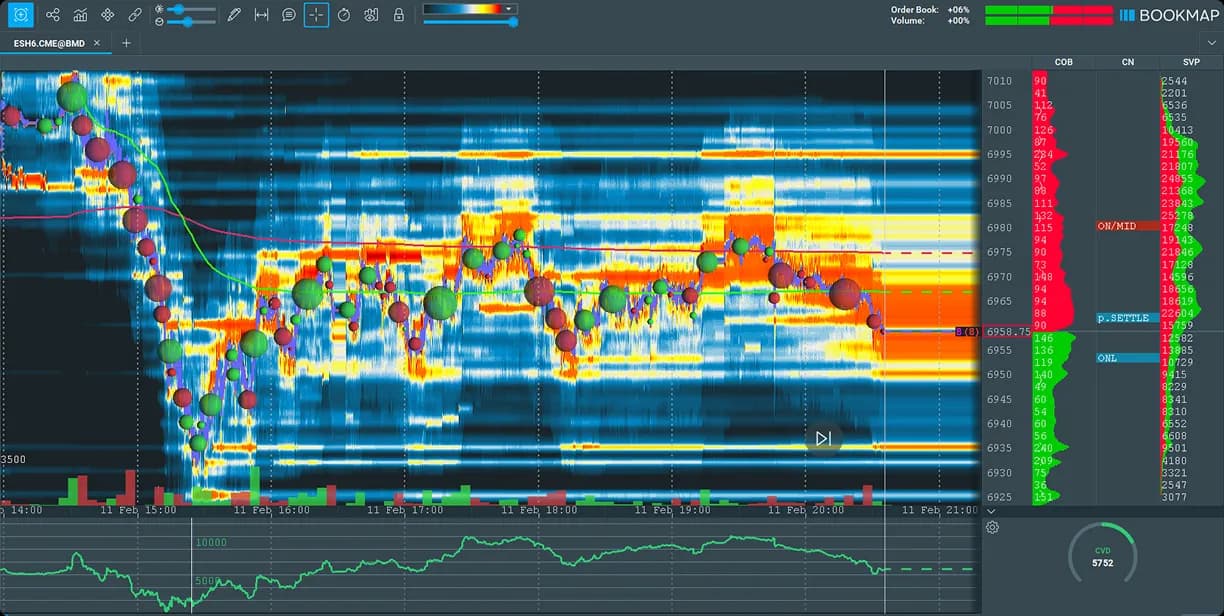
Liquidity
Deep, consistent liquidity during US RTH
Heavy resting liquidity around prior day levels and VWAP
Frequent reloading at institutional reference prices
Participants
Institutions hedging equity exposure
Prop firms and systematic traders
Active retail futures traders
Sessions
RTH: highest participation and cleanest structure
ETH: thinner liquidity, more stop-driven moves
Behavior shifts around the open, lunch, and close
Typical Intraday Structure
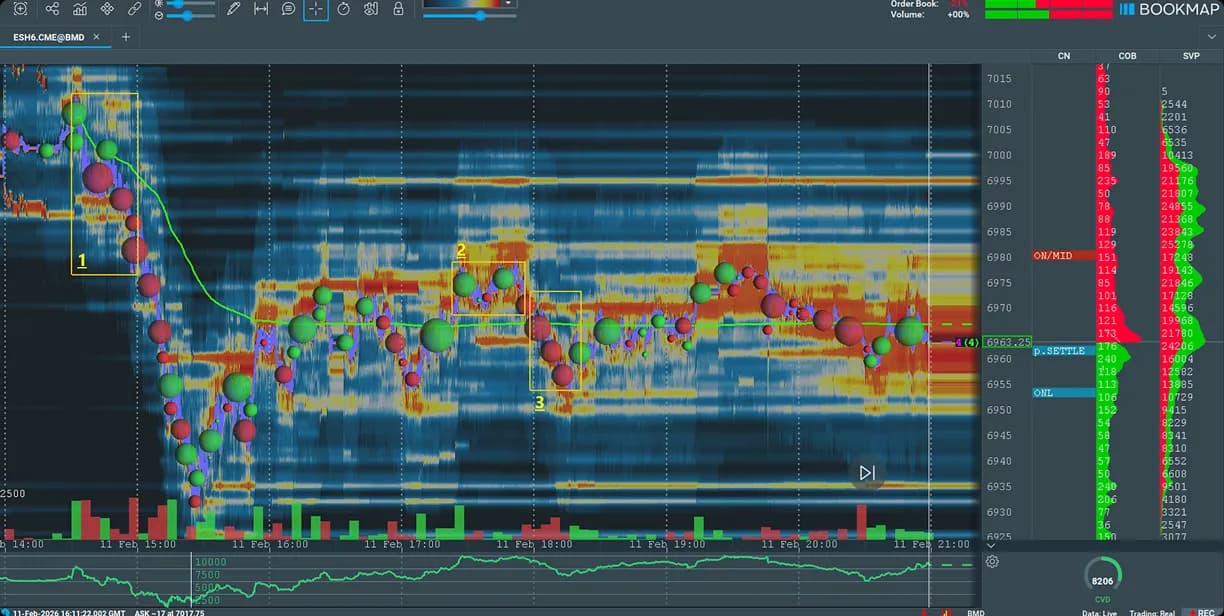
Liquidity Formation
Prior day high/low, VWAP, overnight range
Passive liquidity often refreshes repeatedly
Activity Clusters
Opening auctions
Midday compression
Late-session rotations
Volatility Expansion
Acceptance above/below key levels
Liquidity pulled or absorbed
Failed breaks at obvious structure
ES often moves before intent is clear — structure and liquidity matter more than candles.
Common Order Flow Patterns in ES
Absorption
Common near VWAP and prior session levels
Often precedes rotations or failed breakouts
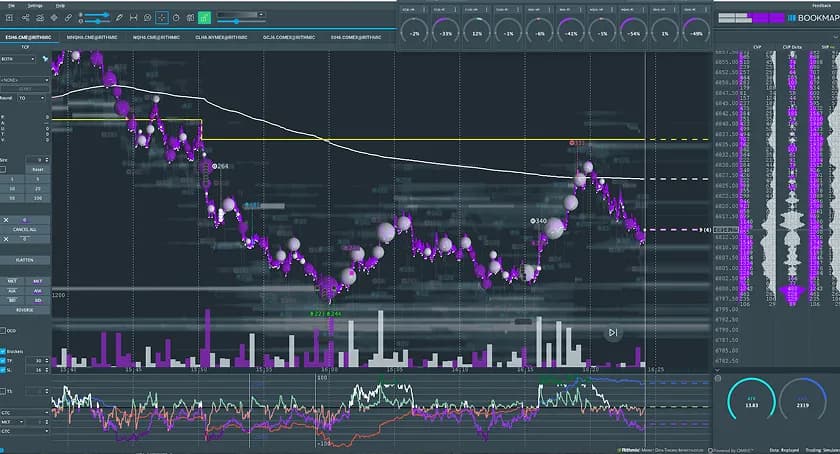
Icebergs
Appear at execution-heavy institutional levels
Price stalls while volume builds
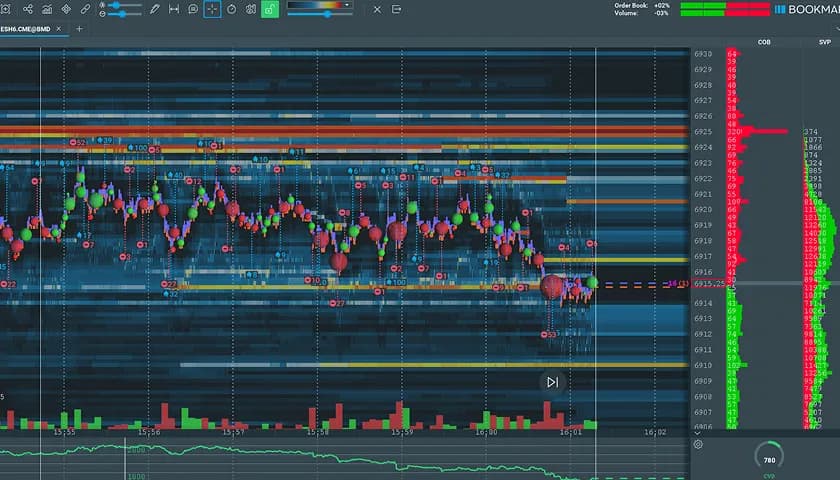
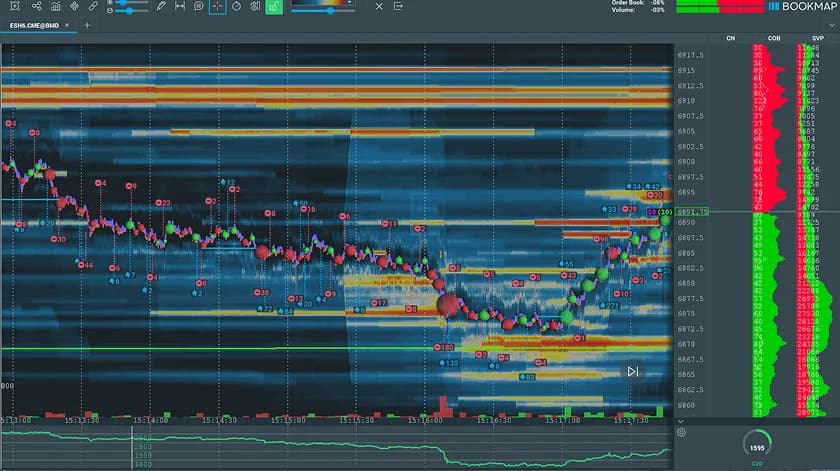
Real ES Examples from Bookmap
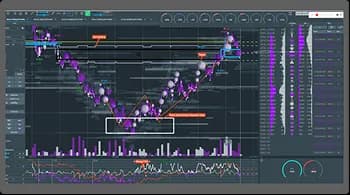
Mean Reversion from Absorption
Selling pressure stalled near prior settlement
Acceptance and absorption formed a demand zone
Price rotated back into prior liquidity
Common misread: assuming continuation instead of acceptance.
View Insight →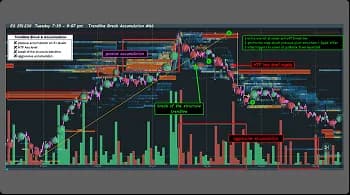
Trendline Break & Accumulation
Passive accumulation across multiple levels
Structure break shifted control
Initiative selling followed into HTF supply
Common misread: entering the break without accumulation context.
View Insight →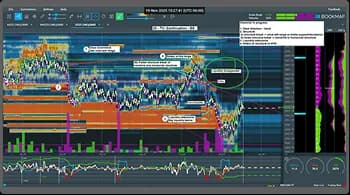
Continuation via Failed Structure
Failed structure break at range high
Liquidity imbalance below supported continuation
Retest confirmed directional follow-through
Common misread: assuming continuation instead of acceptance
View Insight →