


Build trading tools around the way you actually trade.
Compare plans to explore APIs, market data, and customizable workflows.
Education
July 31, 2026
Vibe Coding for Traders: Building Your Own Trading Tools Without Being a Developer

Many trading challenges have little to do with finding better market signals. Usually, they arise from scattered notes, inconsistent trade reviews, and poor record-keeping.
As artificial intelligence becomes more accessible, a new approach known as “vibe coding” is changing how these trading problems are solved. Instead of learning programming languages, traders can now use AI to build simple productivity tools that support their own workflow.
These applications are not designed to predict the market but to improve organization, analysis, and decision-making. This article explores what vibe coding is and why it is gaining attention. Also, see the different types of trading tools that can be developed via AI models like ChatGPT, Claude, or Gemini. Lastly, learn where AI adds the most value, and the risks of building too many productivity tools.
What Is Vibe Coding and Why Is Everyone Talking About It?
Vibe coding for traders is the practice of using AI to create software by describing an idea through prompts (say, in plain English or any vernacular) instead of writing code. Rather than learning programming languages, traders explain what they want to build, and AI generates much of the code required to turn that idea into a working tool.
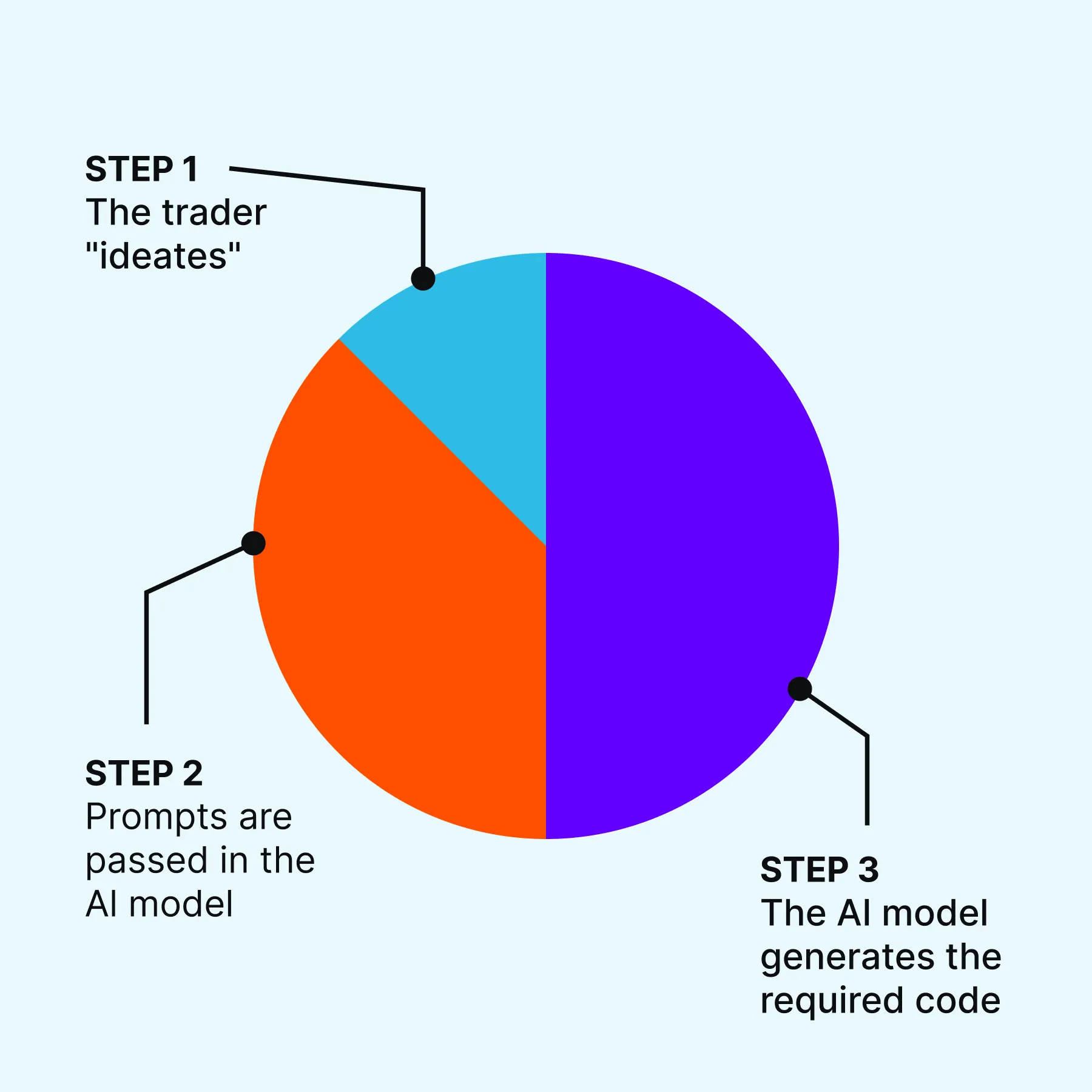
As a result, AI coding for traders has become increasingly popular. Platforms such as ChatGPT, Claude, Cursor, Replit, Lovable, and Bolt have made software development far more accessible. Tasks that once required experienced developers and weeks of work can now be turned into working prototypes within a single day.
The Importance of this Change in Trading
In trading, many workflow challenges are unique to each individual. For example,
- One trader may need a custom trading journal.
- Another may want a trading dashboard to monitor risk, performance, and open positions.
- Others may prefer a tool that organizes trade screenshots, notes, and post-trade reviews in one place.
In the past, these ideas usually remained unfinished because custom software development was expensive and learning to code demanded a significant time investment. However, nowadays building trading tools “without coding” has become a practical possibility through AI. But vibe coding is not about becoming a software engineer. Instead, it is only about turning trading ideas into trader productivity tools through the use of AI.
The Best Trading Tools Aren’t Always Trading Platforms
Many traders choose the “right” trading platforms based on available charts and technical indicators. However, consistent trading results depend not only on the trading platform but also on the tools used to:
- Plan trades
- Review performance, and
- Prepare for the next market session
Several experienced traders spend considerable time improving their overall workflow instead of searching for another indicator. Let’s see what they usually do to reveal patterns that are difficult to notice during live market conditions:
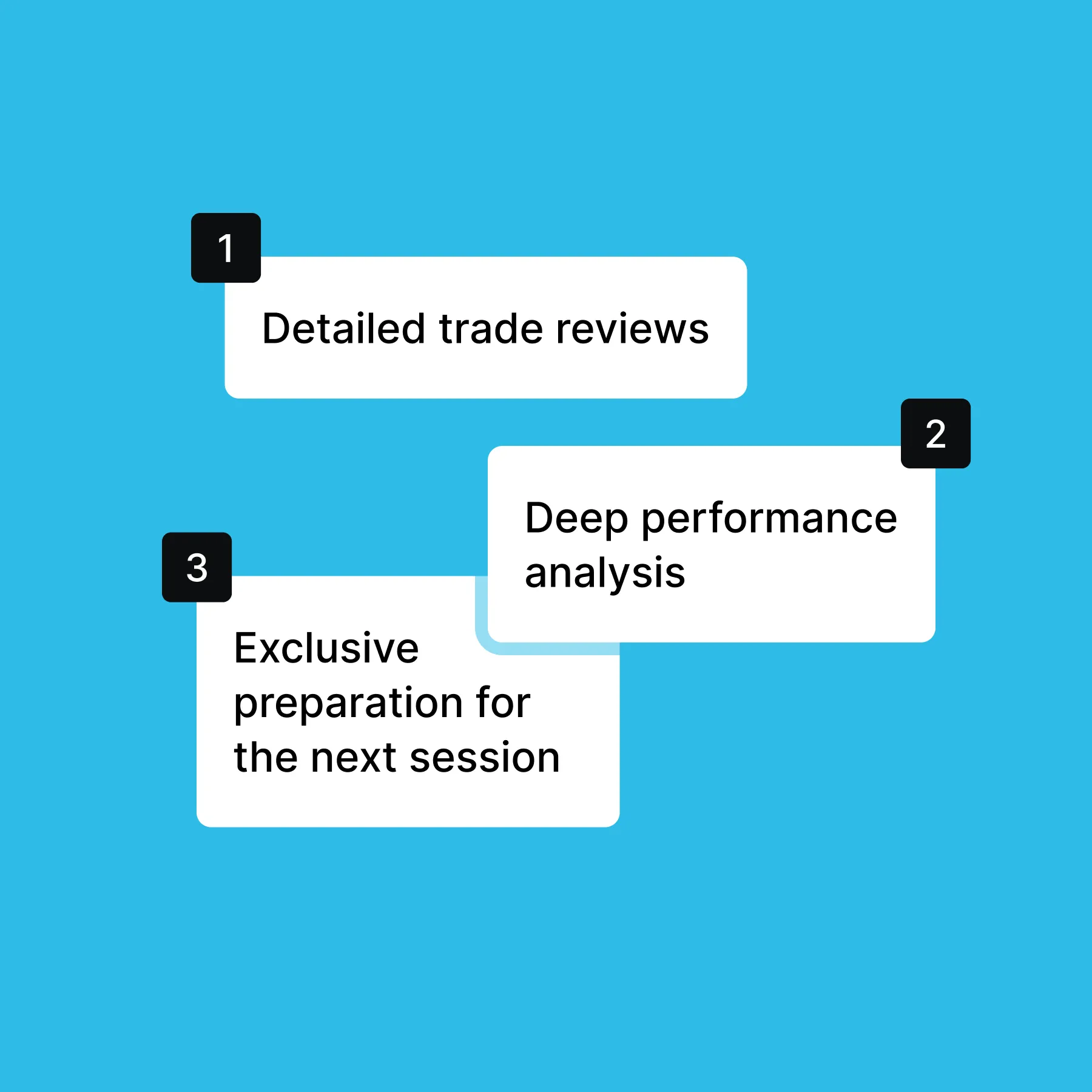
To perform these steps, many veteran traders nowadays build a complete system of trader productivity tools (rather than relying on any trading platform). As per general market understanding, a common set of trader productivity tools includes the following:
- A custom trading journal to record trades
- A trading dashboard to monitor performance
- Risk calculators for:
- Position sizing
- Earnings trackers
- Market preparation checklists
- Trade review databases
- Screenshot libraries, and
- Economic event trackers.
Today, trading tools with ChatGPT and other AI platforms make it possible to create many of these tools without advanced programming knowledge. Through AI coding for traders, market participants can also build trading tools “without coding”. This reduces their dependence on standard trading software.
Practical Tools Traders Can Build Without Coding Experience

One of the biggest advantages of AI coding for traders is the ability to create tools that solve everyday trading challenges without requiring programming knowledge. Instead of building complex trading platforms, many traders choose to build the following simple applications:
| AI Trading Tool | What It Does | Key Features | How It Helps Traders |
| Custom Trading Journal | Records every trade in a particular format instead of relying on generic templates. |
|
Creates a detailed trading history and makes it easier to identify strengths, recurring mistakes, and areas for improvement over time. |
| Trading Dashboard | Combines trading data from different sources into a single view. |
|
Reduces the need to switch between spreadsheets and multiple applications while making performance analysis more organized. |
| Position Size and Risk Calculator | Calculates the appropriate trade size based on predefined risk parameters. |
|
Supports consistent risk management by helping traders determine suitable position sizes before entering a trade. |
These examples show that it is now possible to build trading tools without coding that match individual trading needs. Even simple trader productivity tools can improve consistency and reduce manual work. Build better workflows around your trading with tools designed for review, replay, and market analysis.
Why AI Works Best as a Workflow Tool, Not a Signal Generator
Much of the discussion around AI in trading is on “prediction”. Some common questions include whether AI can pick:
- Winning stocks
- Predict Bitcoin prices, or
- Generate profitable trading signals
However, the greatest value of AI may come from improving the trading process rather than forecasting market direction. Instead of attempting to predict future price movements, AI is more suitable for the following tasks:
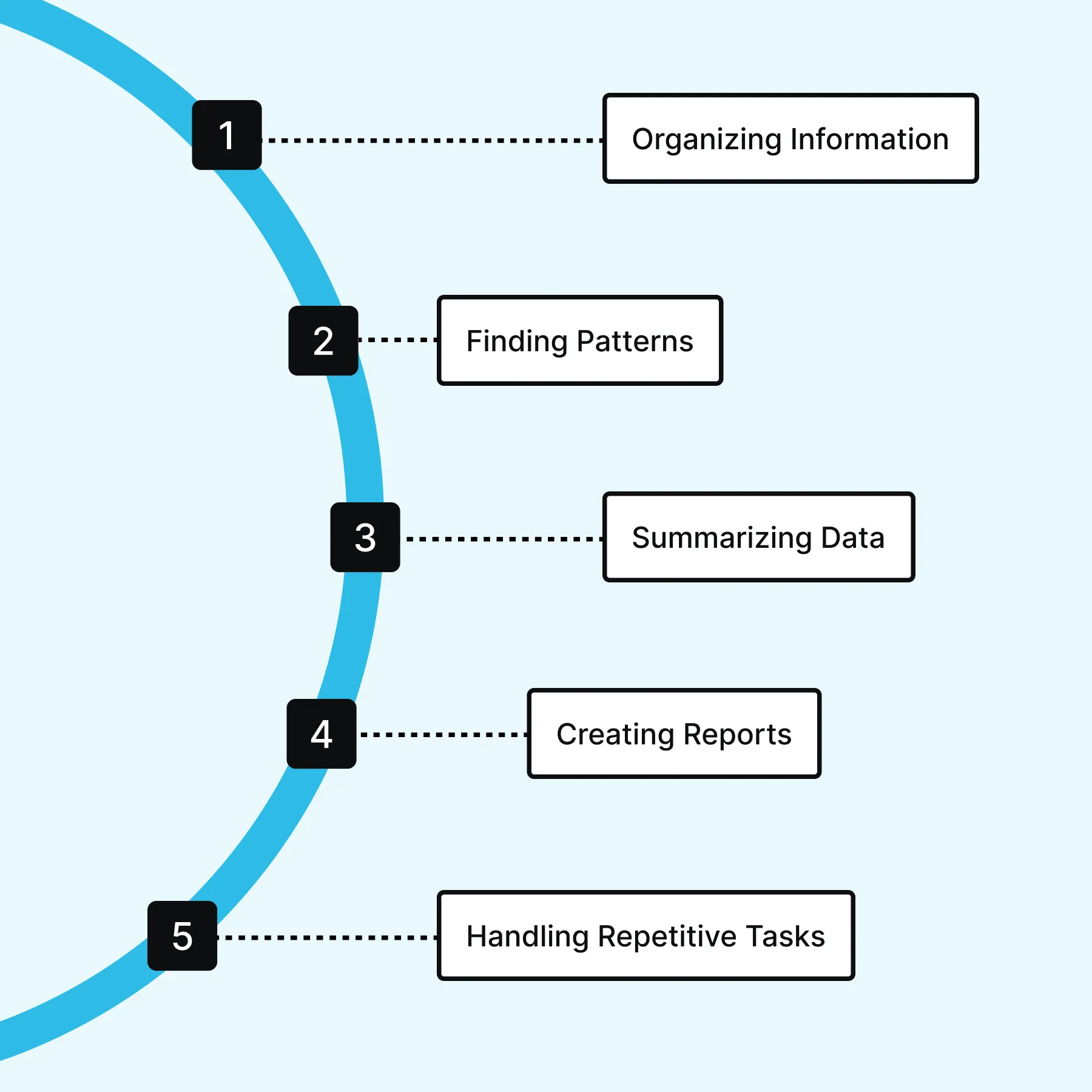
Traders using AI for these capabilities may improve their day-to-day trading operations. For example, trading tools with ChatGPT can:
- Summarize entries in a custom trading journal
- Identify repeated trading mistakes
- Organize screenshot libraries
- Prepare weekly performance reports
These tasks do not predict the market, yet they provide valuable insights that support more consistent trading decisions.
In addition, AI coding for traders makes it possible to create simple applications that automate routine activities and keep important trading information in one place. Traders may realize that ultimately, long-term trading performance improves through a better trading process rather than perfect predictions.
The Risks of Building Too Much, Too Soon

Like any new technology, vibe coding for traders can become a distraction if it is used without a clear purpose. It has been observed that:
- Some traders spend more time creating tools than analyzing markets.
- Others build complex dashboards that appear impressive but add little value to the trading process.
For this reason, every tool should solve a specific problem instead of becoming a side project. Note that the most useful trader productivity tools are created to remove obstacles that affect daily trading activities. That’s why the potentially “right” starting point is to identify a recurring challenge, such as:
- Currently, trade reviews take too much time
- Entries in a custom trading journal lack consistency
- Performance statistics are difficult to track, or
- Market preparation may feel unorganized
Once a problem is identified, AI can help create a solution that addresses that specific need (without coding knowledge). Through AI coding for traders, even basic applications can improve daily workflows when they are designed with a clear objective.
What the Future Trading Workspace Might Look Like
In 2026, trading workflows are changing, and AI is increasingly becoming a larger part of the trading process. Instead of only using standard software, many traders are beginning to create systems that match their own methods and daily routines.
As this trend continues, the AI workflow for traders may include the following:
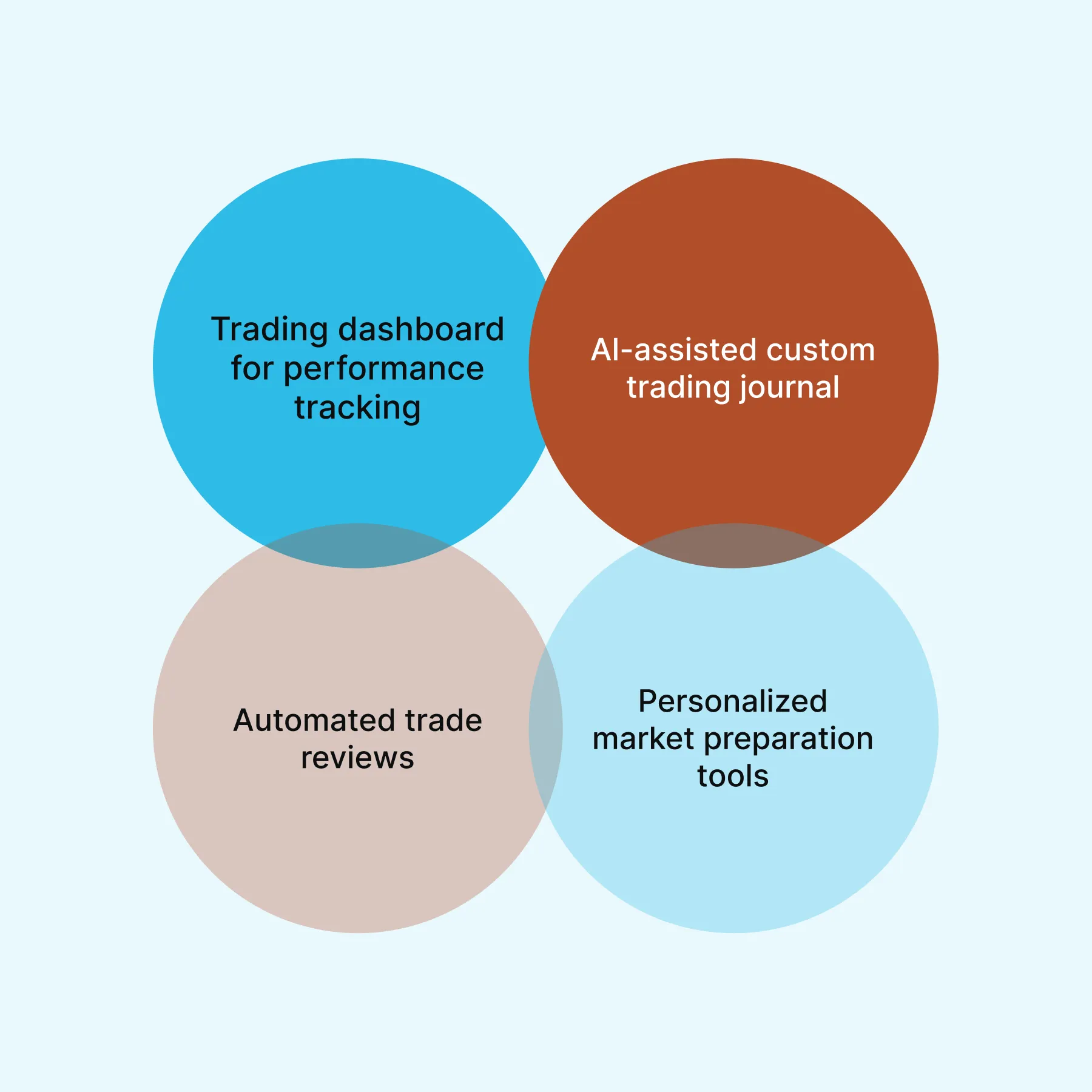
Together, these applications can create a connected workspace where important trading information is available in one place. As a result, the trading platform itself may become only one part of a broader system. Through AI coding for traders, it is now possible to build trading tools that support:
- Trade analysis
- Risk management, and
- Performance review (alongside the execution platform).
Traders who continue improving their workflows with trader productivity tools may develop a stronger advantage than those relying only on standard, off-the-shelf software. Your tools matter. Explore how Bookmap fits into a modern trading workflow.
Conclusion
Vibe coding is not a replacement for trading knowledge, market experience, or discipline. Instead, it offers a way to improve the daily trading process by reducing manual work and bringing important information into one place.
Through an AI workflow for traders, it is now possible to build trading tools without coding that support detailed trade reviews and performance analysis. As a result, traders can spend less time managing spreadsheets, scattered notes, or disconnected applications. By developing an application (through vibe coding) that handles most of such repetitive tasks, traders can spend more time preparing for the market, executing trades, and reviewing results.
In many cases, the most valuable tool is not always an advanced trading algorithm or prediction model. A custom trading journal, trading dashboard, or a simple trader productivity tool can also have a greater impact in improving self-evaluation or creating a better trading routine. Trading success often comes down to process. Bookmap helps traders visualize, review, and improve that process.
FAQs
1. What is vibe coding?
Vibe coding is the process of creating software through the assistance of artificial intelligence models. In this technique, the trader describes the idea in prompts instead of writing programming code.
Next, AI interprets those instructions and generates much of the code needed to build the application. Vibe coding saves traders from spending months learning software development. This makes it possible to create useful tools such as:
- Dashboards
- Journals, and
- Calculators (without any coding knowledge).
Note that the ultimate goal is not to replace technical expertise. Instead, it is to make software creation more accessible so that traders can build custom software and solve their everyday trading problems.
2. Do I need coding experience to build trading tools with AI?
No, many modern AI platforms allow users to describe the features they want in plain language, and the AI creates much of the required code. Vibe coding has allowed traders with little or no programming experience to develop custom trading productivity tools.
3. Can I build a trading journal using AI?
Yes, AI can help create a custom trading journal that records the information most relevant to a trading strategy. Instead of using a generic template, traders can include:
- Trade screenshots
- Setup categories
- Emotional notes
- Execution scores
- Profit and loss data
- Post-trade reviews
In addition, trading tools with ChatGPT can help organize journal entries, summarize trading activity, and identify recurring behavioral patterns over time.
4. Should traders use AI to generate trade signals?
Some traders experiment with AI-generated trading signals. However, the most valuable AI applications support the trading process rather than market prediction. As per general market understanding, traders can use AI models to:
- Organize journal data,
- Summarize trade reviews,
- Track performance statistics, and
- Automate repetitive tasks
Such an approach can improve trading consistency without relying entirely on AI to forecast future price movements.
5. What are some easy trading tools to build with AI?
Some popular examples include:
- A custom trading journal
- A trading dashboard for performance tracking
- Position size and risk calculators
- Earnings trackers
- Economic calendar tools
- Screenshot review databases
- Trade review systems
These trader productivity tools help organize trading activities and reduce manual work.
Sign Up Now
Latest Articles