BTCUSDT (Bitcoin Perpetual Futures)
Order Flow & Liquidity Behavior
BTCUSDT trades 24/7 and behaves differently from traditional futures markets.
Its continuous session, funding mechanics, and liquidation dynamics make it ideal for studying liquidity sweeps, exhaustion moves, and aggressive imbalance shifts.
This page outlines how BTCUSDT typically behaves intraday and shows real Bookmap examples of recurring crypto order flow patterns.

See BTC liquidity shifts as they happen.
Compare plans to track liquidations, imbalances, and order flow in real time.
What Makes BTCUSDT Unique
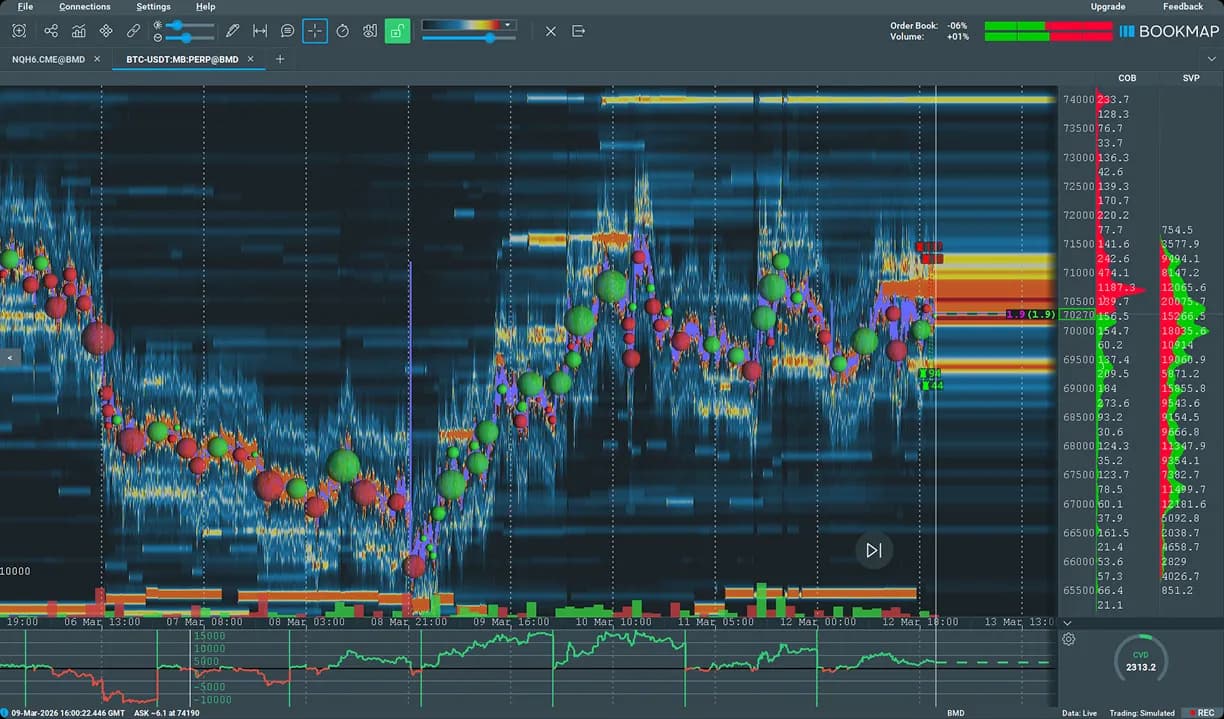
Liquidity
Liquidity shifts quickly and can disappear during volatility
Weekend books are thinner than weekday US hours
Large players often execute passively before expansion
Participants
Perpetual futures traders
Liquidation-driven flows
Systematic and high-frequency crypto bots
Spot vs perp interaction
Sessions
24/7 market — no official RTH
Volatility increases during US session overlap
Funding windows often influence positioning
Weekends show thinner structure and sharper sweeps
BTCUSDT is more sensitive to liquidity pulls and liquidation cascades than ES or NQ.
Typical Intraday Structure
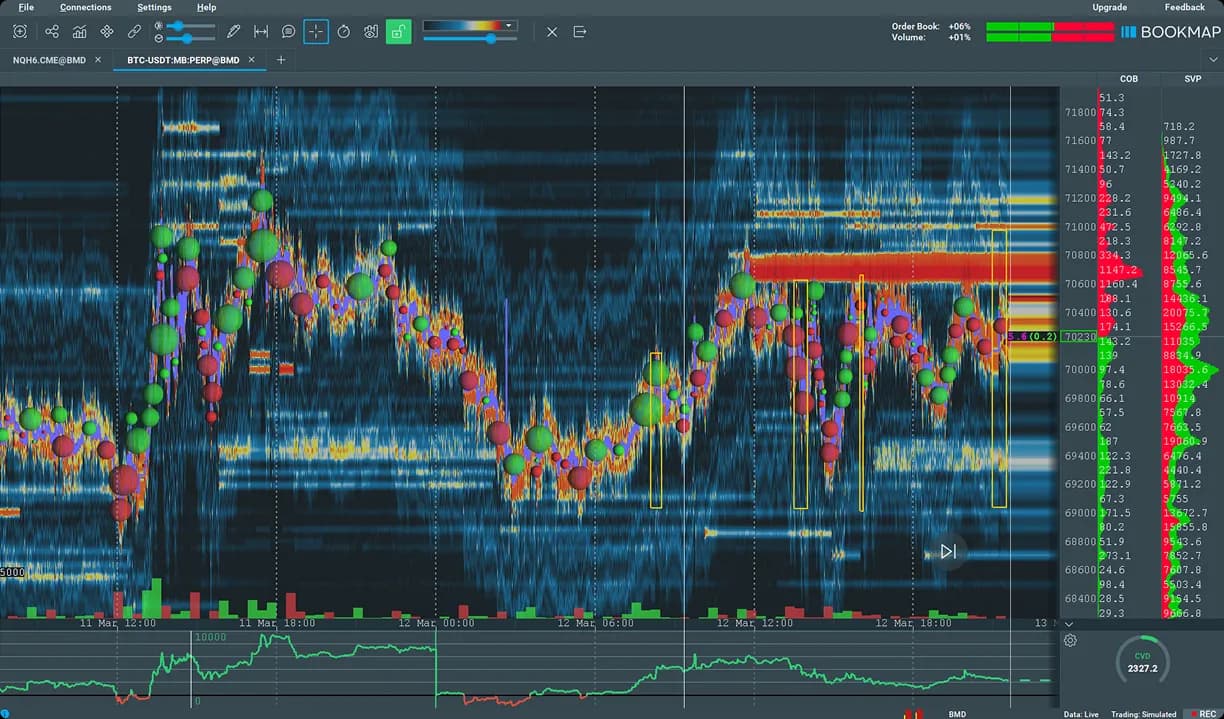
Liquidity Formation
Prior session high/low
Funding-driven positioning levels
Visible resting liquidity clusters
Activity Clusters
US session volatility
Post-funding squeezes
Range compression before breakout
Volatility Expansion
Liquidity sweeps at obvious highs/lows
Buy/sell exhaustion before sharp reversals
Liquidation cascades accelerating moves
BTCUSDT often overshoots levels before stabilizing — reading liquidity response is critical.
Common Order Flow Patterns in BTCUSDT
Liquidity Sweeps
Stops triggered above/below obvious structure
Often followed by aggressive reversal or continuation
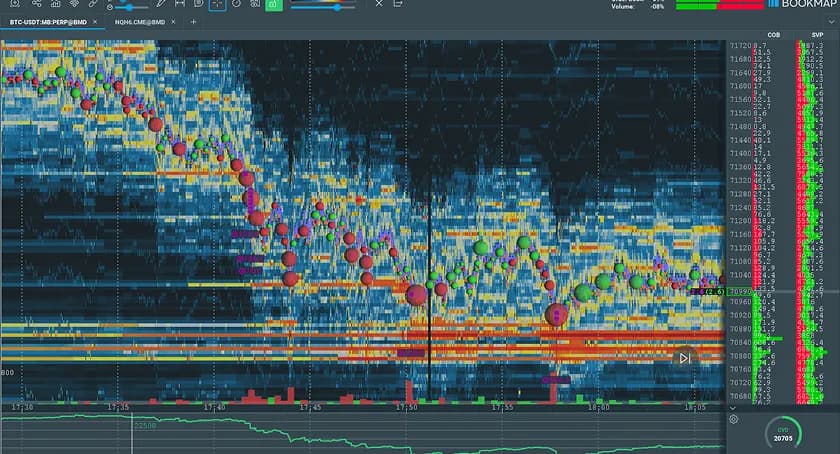
Exhaustion
Heavy volume into extremes with limited follow-through
Buyers or sellers fail to extend move
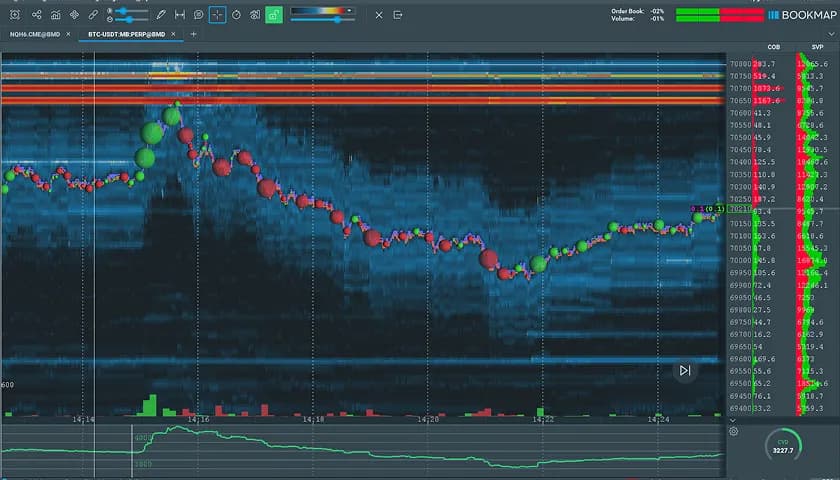
CVD Divergence
Aggressive selling or buying while liquidity shifts opposite
Frequently precedes balance-day reversals
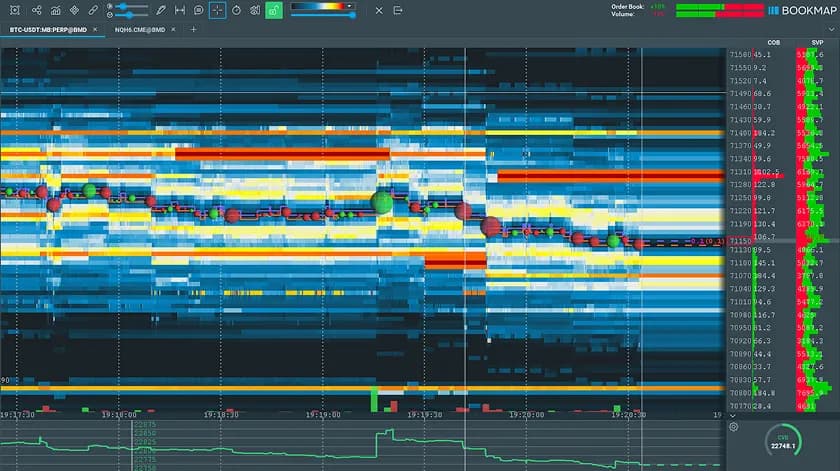
Real BTCUSDT Examples from Bookmap
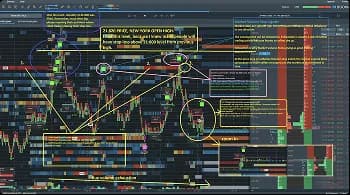
Short Setup After Liquidity Sweep
Stop run above key level
Buy-side liquidity absorbed
Exhaustion confirmed before rotation lower
Common misread: assuming breakout continuation instead of reading liquidity shift.
View Insight →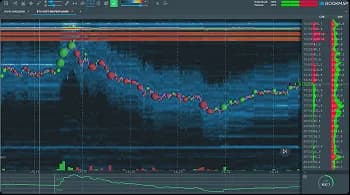
Liquidity Exhaustion Setup
New session high formed
Buyers failed to extend above liquidity
Volume exhaustion led to downside rotation
Common misread: entering late after visible push without checking exhaustion.
View Insight →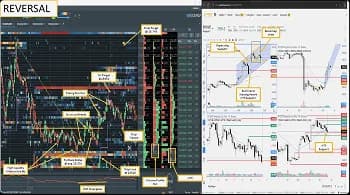
Multi-Timeframe Reversal
Higher timeframe support held
CVD divergence confirmed buyer response
Structure shift validated long entry
Common misread: focusing only on lower timeframe impulse without HTF context.
View Insight →